Serving The Jacksonville Area


How to Tell When It’s Time to Replace Your Water Heater in Florida
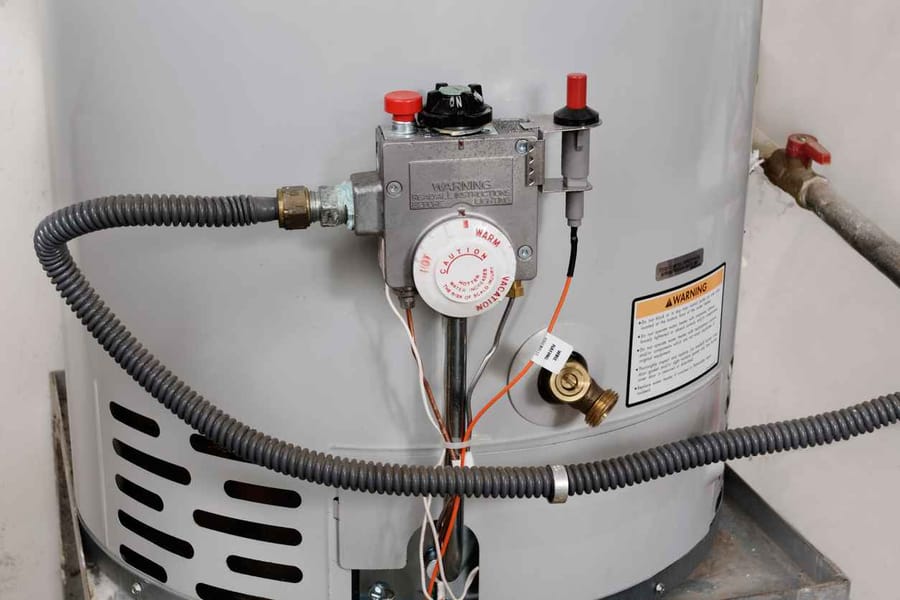
How to Tell When It’s Time to Replace Your Water Heater in Florida
Hot water is something Florida homeowners depend on daily, from showers and laundry to dishwashing and cleaning. But Florida’s heat, humidity, and mineral rich water supply place extra strain on water heaters, causing them to wear out faster than they might in other parts of the country. When a water heater begins to fail, the warning signs can start subtly and quickly turn into leaks, rising energy bills, or unexpected cold showers.
Knowing when to replace your water heater is essential for preventing costly water damage, reducing utility waste, and maintaining reliable comfort in your home. Many homeowners assume their unit will give out suddenly, but in reality, most water heaters show clear signs of decline long before they stop working.
This blog explains the average lifespan of Florida water heaters, the most common warning signs of failure, and the specific environmental factors that cause systems to deteriorate more quickly in the Sunshine State. With this information, you can make timely decisions that protect your home and prevent emergencies.
Typical Lifespan of Water Heaters in Florida
Water heaters in Florida experience unique stresses that often reduce their lifespan compared to units in other regions. Heat, humidity, and mineral rich water all contribute to faster wear, meaning homeowners should pay close attention once their system reaches a certain age.
Average Lifespan of Tank Water Heaters
Traditional tank style water heaters generally last between 8 and 12 years. In many Florida homes, the lifespan is closer to the lower end of that range because:
-
Mineral buildup accumulates faster
-
Higher humidity accelerates corrosion
-
Warm temperatures increase sediment activity in the tank
Once a tank system reaches 8 to 10 years old, it is more prone to leaks and inconsistent heating.
Average Lifespan of Tankless Water Heaters
Tankless water heaters typically last 15 to 20 years, but Florida’s hard water can reduce that lifespan if routine descaling is not performed. Without maintenance, internal mineral buildup restricts water flow and stresses the heating elements.
Factors That Shorten Lifespan in Florida Homes
Several Florida specific factors contribute to faster deterioration:
-
Hard water: Causes rapid mineral scaling inside the tank or heat exchanger.
-
Coastal salt air: Creates corrosion on metal components.
-
High humidity: Encourages rust on tanks, valves, and connections.
-
Heavy usage: Year round hot showers and laundry increase system demand.
Even high quality units will feel the effects of Florida’s environment over time.
Signs Your Water Heater Is Nearing the End
Before a complete failure happens, aging systems usually show predictable warning signs, such as:
-
Longer wait times for hot water
-
Rust colored water
-
Frequent pilot light outages
-
Small leaks or moisture near the base
-
Rumbling or popping sounds
If your water heater is more than 8 years old and showing any of these symptoms, planning for a replacement is a smart and cost effective decision.
Top Warning Signs Your Water Heater Needs Replacement
Water heaters rarely fail without warning. Most Florida homeowners will notice performance issues long before a system completely stops working. Recognizing these signs early can help you avoid leaks, water damage, and unexpected cold showers.
Water Takes Too Long to Heat Up
If you are waiting longer than usual for hot water, the heating elements or burner may be wearing out. In tank units, sediment buildup settles at the bottom of the tank and acts as insulation, making it harder for the burner to heat water efficiently.
Inconsistent or Low Hot Water Supply
Running out of hot water too quickly is one of the most common signs of a failing water heater. As tanks deteriorate or sediment accumulates, the usable volume of hot water decreases. Tankless units may also deliver inconsistent temperatures when their internal components begin to fail.
Rusty or Discolored Water
Brown, red, or yellow water coming from hot water faucets may indicate rust inside the tank. This often means the tank lining has corroded and the anode rod is no longer effective. Once rust appears, replacement is usually necessary to prevent leaks.
Rumbling or Popping Noises
Sediment buildup heats and reheats inside the tank, causing rumbling, cracking, or popping sounds. These noises signal poor efficiency and increased strain on the system. In Florida’s hard water environments, this issue accelerates more quickly than in other regions.
Visible Leaks Around the Tank
Puddles, moisture, or corrosion around the base of your water heater indicate a structural problem. Tanks expand and contract as they heat water, and over time, this movement creates cracks in the metal. Once a tank begins leaking, replacement is the only safe option.
Rising Energy Bills Without Explanation
A failing water heater must work harder to keep water warm, especially when sediment buildup or damaged components reduce efficiency. If your energy bills continue climbing with no clear cause, your water heater may be nearing the end of its life.
Florida Specific Issues That Speed Up Water Heater Failure
Florida’s environment is beautiful, but it creates tough conditions for water heaters. From mineral heavy water to salt rich coastal air, local homes face unique challenges that can dramatically shorten the lifespan of both tank and tankless water heaters.
Hard Water Mineral Buildup
Much of Florida has hard water, which contains high levels of calcium and magnesium. When heated, these minerals form solid deposits that settle inside the tank or clog the heating components in tankless units. Mineral buildup:
-
Reduces efficiency
-
Causes rumbling and popping noises
-
Decreases hot water capacity
-
Overworks heating elements
Without regular flushing or descaling, hard water can cause even newer units to fail prematurely.
Corrosion From Humid Salt Air in Coastal Areas
Homes near the coast are exposed to salt rich air that corrodes metal components. Water heater tanks, valves, and fittings deteriorate faster when exposed to salt and humidity. Even indoor units can suffer corrosion over time if the home is not well sealed against moisture.
Heavy Household Usage During Long Warm Seasons
Florida’s year round warm weather leads to more frequent showers, laundry cycles, and dishwasher use. This increased demand makes water heaters cycle more often, which accelerates wear on internal parts and heating elements.
Sediment Accumulation From High Mineral Content
Florida’s water sources often contain natural sediment that settles inside the water heater tank. Over time, this sediment acts like insulation, forcing the system to work harder to heat water. Extra strain leads to:
-
Higher utility bills
-
Longer heat up times
-
Reduced hot water supply
-
Increased noise
-
Faster component failure
Regular maintenance can slow sediment buildup, but eventually the tank deteriorates beyond repair.
Impact of High Humidity on Metal Components
Even inland Florida homes deal with constant humidity, which accelerates rust formation on tanks and internal components. Humidity also increases condensation on the outside of the tank, which leads to damp spots, mold growth, and corrosion around fittings.
Repair vs Replacement: How to Choose
When your water heater starts showing signs of trouble, the first question most homeowners ask is whether it can be repaired or if it is time to invest in a replacement. In Florida’s climate, some issues can be fixed, but many symptoms point to deeper problems that make replacement the more reliable and cost effective choice.
When Repairs Make Sense
Repairing your water heater may be the right option when:
-
The unit is less than 6 to 8 years old
-
The issue involves a simple component like a thermostat or heating element
-
There are no signs of corrosion, rust, or tank cracking
-
The system has been well maintained with regular flushing or descaling
In these cases, repairs can often extend the life of the system without compromising performance.
When Replacement Is More Cost Effective
Replacement is usually the smarter choice when:
-
The water heater is 8 to 12 years old or older
-
The tank is leaking or rusted
-
There is significant sediment buildup
-
Hot water capacity has dropped noticeably
-
Energy bills have risen due to inefficiency
-
Repairs have become frequent or increasingly expensive
Once structural problems begin, repairs rarely last long because the tank cannot be restored.
The Age and Efficiency Equation
Older water heaters lose efficiency as heating elements weaken and sediment accumulates. A newer model offers better insulation, faster heating, and lower energy usage. For many Florida homeowners, replacing an old, inefficient system saves more money over time than continuing to repair it.
Safety Concerns With Aging Tanks
A failing water heater can pose safety hazards, including:
-
Sudden leaks that damage floors, walls, and belongings
-
Pressure buildup due to faulty valves
-
Overheating from malfunctioning thermostats
Because Florida homes often have water heaters in garages, closets, or attics, unnoticed leaks can cause extensive and costly damage.
Protect Your Florida Home With a Reliable New Water Heater
Florida’s hot, humid climate and mineral rich water supply create conditions that wear water heaters down faster than many homeowners realize. By paying attention to early warning signs and understanding how Florida specific factors affect your system, you can replace your water heater before it leaks, fails, or drives up your energy bills.
Whether your system is showing signs of rust, producing inconsistent hot water, or nearing the end of its lifespan, replacing it proactively can save you money on utilities and prevent costly water damage. Newer water heaters are more efficient, more reliable, and better designed to handle the demands of Florida living.
If you suspect your water heater is struggling or want a professional evaluation before problems escalate, King of Home Solutions is here to help. Our team provides thorough inspections, honest recommendations, and fast, dependable replacement services to keep your home safe and comfortable.
Schedule your water heater assessment today and ensure your home has the reliable hot water supply it deserves.