Serving The Jacksonville Area


Jacksonville Buyer’s Guide: Choosing a Water Heater for Your North Florida Home
Jacksonville Buyer’s Guide: Choosing a Water Heater for Your North Florida Home
Jacksonville homeowners know that our local climate and geography create a unique set of demands for home appliances. Between the high humidity of the First Coast and the notoriously hard water drawn from the Floridan Aquifer, your water heater has to be a workhorse.
At King of Home Solutions, we understand that a water heater is one of the most significant investments you will make in your home’s infrastructure. Whether you are living in a historic home in Riverside or a new build in Nocatee, choosing the right system can mean the difference between years of reliable hot water and a constant stream of repair bills.
This guide will walk you through the five most common types of water heaters for North Florida residents and help you choose the crown jewel of water heating for your household.
The Jacksonville Factor: Hard Water and Humidity
Before you look at brands or models, you have to understand the environment your water heater will live in. Jacksonville’s water is rich in minerals like calcium and magnesium.
-
Sediment Buildup: In traditional tank heaters, these minerals settle at the bottom, creating a layer of scale. This acts as an insulator, forcing your heater to work harder and eventually causing the tank to overheat and fail.
-
Corrosion: Our coastal air is salty and humid. If your water heater is located in a garage or an unconditioned crawl space, that salt air can accelerate the rusting of the outer shell and electrical connections.
Understanding Your Options: The Five Major Types
There is no one-size-fits-all solution for North Florida. Depending on your home’s energy source and your family’s size, one of these five options will be your best fit:
1. Electric Water Heaters
These are the most common units found in Jacksonville neighborhoods. They use electric resistance coils inside a storage tank to heat the water.
-
Pros: Lower upfront cost and simple installation. They are widely available and fit in most utility closets or garages.
-
Cons: They are generally the least efficient option, especially in Florida, where electricity costs can add up during peak summer months.
-
King’s Tip: If you have a large family, ensure you choose a high-efficiency electric model to mitigate the higher operating costs.
2. Gas Water Heaters
If your home is piped for natural gas or propane, a gas water heater is a powerful alternative.
-
Pros: They have a much faster recovery time than electric tanks, meaning the water gets hot again quickly after someone finishes a shower. They also tend to have lower monthly operating costs in many NOLA neighborhoods.
-
Cons: They require proper venting to the outdoors and a dedicated gas line, which can make the initial installation more complex.
3. Tankless Water Heaters
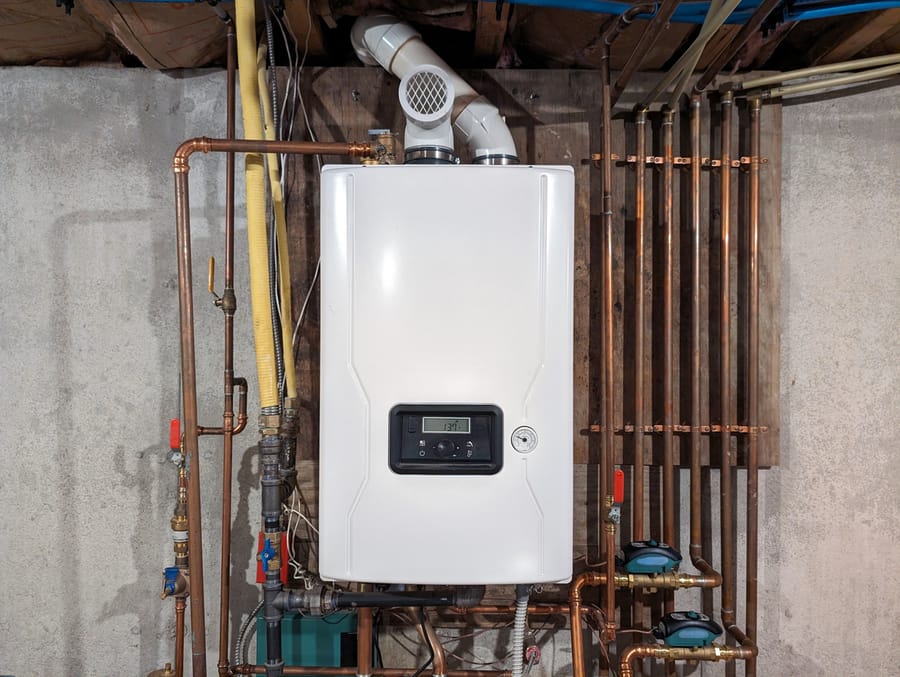
Tankless units heat water instantly as it flows through the device rather than storing it in a tank.
-
Pros: They provide an endless supply of hot water and take up very little space, as they are usually mounted on a wall. They are significantly more energy-efficient because they aren’t heating water you aren’t using.
-
Cons: Higher initial cost and may require a gas line upgrade or an electrical panel heavy-up to handle the sudden power demand.
4. Hybrid (Heat Pump) Water Heaters
Hybrid heaters pull heat from the surrounding air to warm the water. In a warm climate like Jacksonville, they are incredibly effective.
-
Pros: They are up to four times more efficient than standard electric tanks. As a bonus, they act as a mini air conditioner for your garage by pulling heat and humidity out of the air.
-
Cons: They require a specific amount of clearance space to breathe properly and have a higher upfront price tag.
5. Geothermal Water Heaters
Geothermal systems use the stable temperature of the earth to heat your water. These are typically installed as an add-on (called a desuperheater) to a geothermal heating and cooling system.
-
Pros: They offer the highest possible efficiency and can provide virtually free hot water during the summer months when your AC is running constantly. They have an exceptionally long lifespan.
-
Cons: The most expensive to install initially. They require a ground loop system to be buried on your property, making them best suited for new construction or major renovations.
Maximizing Your 2026 Savings: Rebates and Credits
One of the best reasons to upgrade right now is the availability of significant financial incentives. At King of Home Solutions, we stay up to date on the latest programs.
-
Federal Tax Credits: Under the Inflation Reduction Act, homeowners can claim a credit of up to $2,000 for high-efficiency heat pump water heaters.
-
Local JEA Rebates: JEA offers a $350 rebate for residential electric customers who switch to an ENERGY STAR-certified heat pump water heater.
-
Geothermal Incentives: Geothermal installations currently qualify for a 30% federal tax credit, which can help offset the higher cost of the ground loop and equipment.
Why King of Home Solutions is the Right Choice
At King of Home Solutions, we bring a royal level of service to every Jacksonville home. Our licensed plumbers don’t just swap out a tank; we evaluate your home’s plumbing, electrical capacity, and water quality to ensure your new system is built to last. We offer upfront pricing, military and senior discounts, and a commitment to 100% customer satisfaction.
Invest in Your Comfort
A new water heater is more than just a box in your garage; it is the heart of your home’s comfort. By selecting a unit that can stand up to Jacksonville’s hard water and high humidity, you are protecting your home and your wallet for the next decade.
Are you ready to stop settling for lukewarm showers? Contact King of Home Solutions today for a free estimate on a new, high-efficiency water heater tailored for your North Florida home.