Serving The Jacksonville Area


Garage Door Opener Repair in Jacksonville, FL
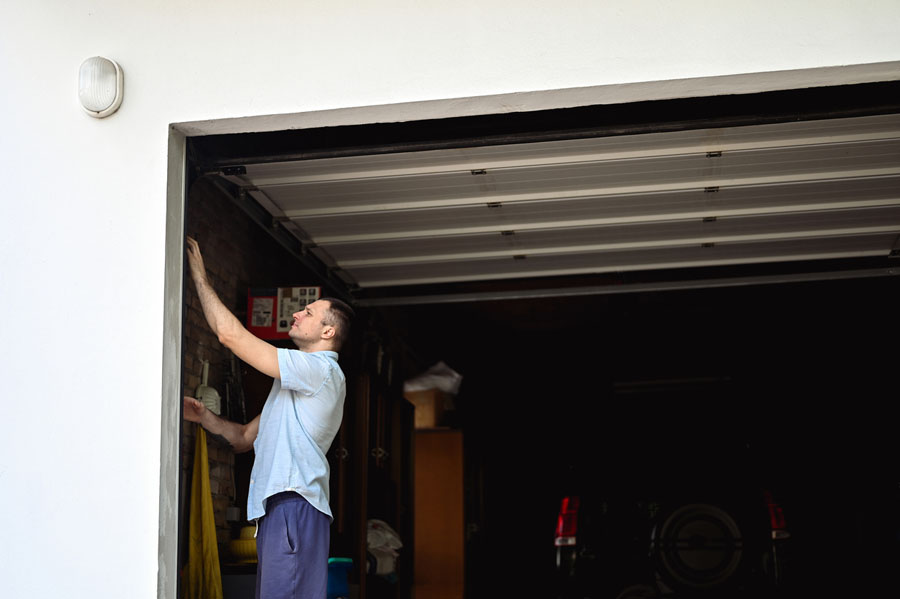
If the opener runs but the door does not move, the remote stops responding, or the system reverses unexpectedly, the problem may involve the motor, sensors, drive system, or controls. King of Home Solutions provides garage-door opener repair in Jacksonville, FL for common opener and access problems.
Garage door opener diagnostics
Motor and drive-system troubleshooting
Sensor, remote, and keypad testing
Repair and replacement recommendations
4.9 ⭐
Google Rating
BBB
Accredited Business
Locally-Owned & Operated
Same-Day Service Available
Proudly Serving the Jacksonville Area
5151-5 Sunbeam Road Jacksonville, FL 32257
Call 904-865-4663
Reliable Garage Opener Repair Backed by Happy Clients
See how our dependable garage door opener repair services have helped local customers stay cool, comfortable, and confident.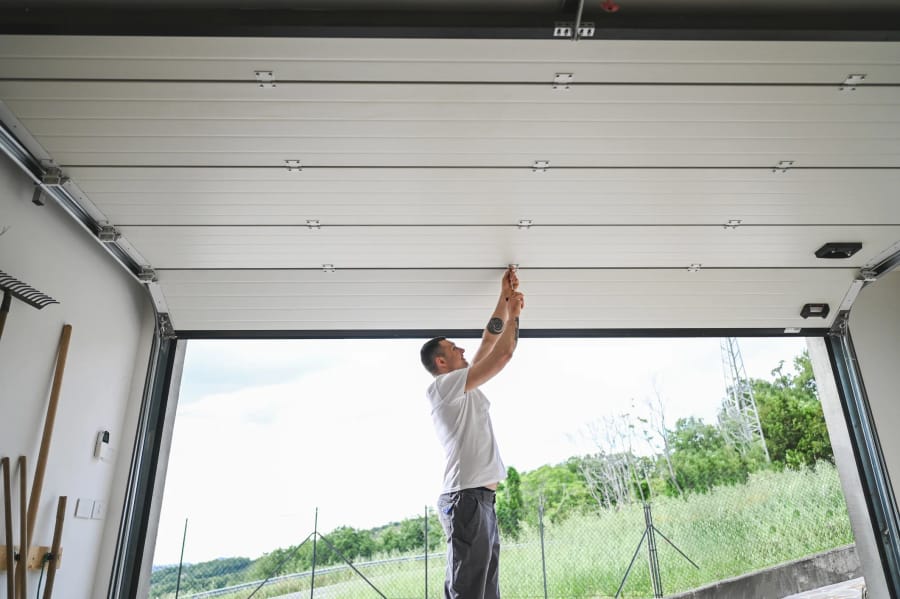
Signs Your Garage Door Opener May Need Professional Attention
An opener does not always fail completely at once. Many problems begin with inconsistent controls, unusual noises, or changes in how the door starts and stops.
The Remote Suddenly Stops Working
If the wall-mounted control still operates the door but the remote does not, the problem may involve the remote battery, programming, signal interference, receiver, or the remote itself.
Testing other controls helps determine whether the issue is isolated to the remote or affects the opener more broadly.
The Wall Control Does Nothing
When the wall switch is unresponsive, the cause may involve a power problem, loose or damaged wiring, the control itself, or an internal opener fault.
If neither the wall control nor remote responds, checking whether the opener has power is an important first diagnostic step.
The Door Reverses Before Reaching the Floor
Unexpected reversal often points to safety sensor problems, travel settings, an obstruction, or resistance while the door is moving.
Because several different issues can produce the same symptom, repeatedly adjusting controls without identifying the cause can make troubleshooting more difficult.
The Motor Runs but the Door Stays Still
Hearing the opener operate without seeing the door move can indicate worn internal gears, a damaged belt or chain, disconnected trolley, or another failure in the drive system.
It can also occur when a mechanical problem with the door prevents the opener from lifting normally.
The Opener Makes Grinding, Clicking, or Humming Sounds
New noises deserve attention.
Grinding can be associated with worn gears or drive components. Humming without movement can indicate motor or mechanical resistance. Repeated clicking may point toward controls or internal electronics.
The Opener Works Only Sometimes
Intermittent operation can be frustrating because the system may appear normal during one cycle and fail during the next.
Possible causes include loose electrical connections, overheating, remote interference, failing electronics, sensor issues, or a motor beginning to deteriorate.
Smart Controls Keep Losing Connection
Wi-Fi connectivity problems do not always mean the garage door opener is damaged.
Network changes, weak signal strength, application settings, or lost programming may interfere with smart controls. If physical controls also become unreliable, however, the opener itself may need inspection.
Safety Sensor Lights Flash or Turn Off
Garage door safety sensors are designed to detect obstacles near the opening.
Flashing lights, inconsistent indicators, or sensors that will not remain aligned may point to obstruction, damaged wiring, dirty lenses, mounting problems, or sensor failure.

What Commonly Causes Garage Door Opener Problems?
Garage door openers contain mechanical and electronic parts that work together every time the door moves.
Misaligned or Failed Safety Sensors
Photo-eye sensors near the bottom of the garage opening must face one another correctly.
A bumped sensor, dirty lens, loose bracket, wiring problem, or failed sensor can prevent normal closing operation.
Worn Internal Gears
Many openers use internal gears to transfer power from the motor to the drive system.
As gears wear, homeowners may hear the motor running even though the trolley or door does not move properly.
Motor Wear or Failure
A motor can become weaker or less reliable with age and repeated operation.
Warning signs may include overheating, humming, stopping partway through a cycle, unusual noise, or increasingly inconsistent operation.
Belt or Chain Drive Problems
Belt-drive and chain-drive systems use different mechanisms, but both depend on properly functioning drive components.
A loose chain, worn belt, damaged sprocket, or trolley problem can interfere with movement even when the motor still operates.
Power and Electrical Problems
A garage door opener depends on a reliable electrical supply.
Loose wiring, damaged connections, outlet problems, internal electrical faults, or power-related damage can result in intermittent operation or complete failure.
Remote and Keypad Problems
Remotes and wireless keypads can lose programming, develop weak batteries, experience interference, or fail internally.
Before assuming the motor is damaged, controls should be tested separately.
Travel and Limit Setting Problems
The opener must know where the fully open and fully closed positions are.
Incorrect travel settings can cause the door to stop too soon, move too far, or reverse after touching the floor.
Logic Board Failure
The logic board acts as the electronic control center of many modern garage door openers.
Problems with this component can affect remotes, sensors, lights, motor commands, programming, and smart features, sometimes creating several symptoms at once.
How We Diagnose and Repair Garage Door Openers
Accurate diagnosis helps avoid replacing expensive components when a smaller issue is responsible.
Test the Opener and Every Control
We start by checking how the opener responds to the wall control, remote, keypad, and other available access devices.
Comparing these controls helps narrow down whether the issue involves one accessory or the entire opener.
Inspect Sensors, Power, and Connections
Next, we check the safety sensors, visible wiring, electrical connections, and available power.
Sensor alignment and indicator behavior can provide important clues when a door refuses to close or repeatedly reverses.
Evaluate the Motor and Drive System
The motor and relevant belt, chain, trolley, sprocket, or internal drive components are inspected for wear, damage, disconnection, or abnormal operation.
We also consider whether resistance from the garage door itself is making the opener work harder than it should.
Recommend the Appropriate Repair
Once the cause is identified, we explain whether the failed component can reasonably be repaired or replaced.
The recommendation should be based on the condition and reliability of the opener, not simply its age.
Verify Safe Operation
After service, we test door travel, remote response, sensor function, safety reversal, and overall opener behavior.
Garage Door Opener Repair vs. Opener Replacement
Not every opener problem requires a completely new system.
Repair may make sense when the opener is otherwise reliable and the failure is limited to a serviceable component.
Examples can include:
- Sensor alignment or replacement
- Remote or keypad issues
- Certain wiring problems
- Travel-setting corrections
- Serviceable drive components
- Individual parts that remain readily available
Replacement may become more practical when the opener has multiple recurring problems or a major component has failed.
Consider replacement when:
- The motor is failing
- The logic board has significant damage
- Repair parts are obsolete or difficult to source
- The opener repeatedly stops working
- Safety features are outdated
- The system has become excessively noisy
- You want modern smart-access capabilities
- Repair costs no longer make sense compared with an updated opener
A newer opener may also provide quieter operation and more convenient control, but homeowners should not feel pressured to replace a functional system simply to gain extra features.
When the Opener is Not Actually the Problem
One of the most important parts of garage door opener diagnosis is determining whether the opener is responsible at all.
Broken Garage Door Springs
Springs counterbalance much of the door's weight.
When a spring breaks, the opener may struggle, stop after moving only a few inches, or fail to lift the door. Replacing the opener will not correct the broken spring.
An Off-Track Garage Door
If rollers have left the track, the door may lean, bind, or refuse to travel.
The track and door system should be repaired before operating the opener again.
Damaged Door Sections
Bent or structurally damaged panels can create resistance as the door travels.
The opener cannot correct physical damage to the door itself.
Poor Door Balance
A properly balanced garage door should not depend on the opener motor to support excessive weight.
If the door is too heavy or difficult to move manually, the spring or balance system should be evaluated.
Damaged or Misaligned Tracks
Bent tracks can restrict roller movement and make the opener appear weak.
The mechanical restriction needs to be corrected before diagnosing the motor as the source of the problem.
If your issue involves these components rather than the opener, our broader garage door repair services may be the more appropriate starting point.
Jacksonville Conditions That Can Affect Garage Door Openers
Garage door opener problems in Northeast Florida are not always caused by age alone. Jacksonville's climate and weather can affect both the electronic and mechanical parts of the system.
Humidity Around Electrical Components
Jacksonville experiences high humidity during much of the year.
Garages are often less climate controlled than the main living area, which means opener electronics, sensor connections, terminals, and nearby hardware can spend long periods exposed to warm, humid conditions.
Moisture-related deterioration is especially worth considering when electrical symptoms become intermittent.
Storms and Power Fluctuations
Jacksonville thunderstorms and tropical weather can bring outages, surges, and power interruptions.
If an opener begins behaving differently immediately after severe weather, the problem may involve lost programming, electronics, power supply, or another electrical component.
Repeatedly resetting the system is not a substitute for diagnosing persistent post-storm problems.
Frequent Daily Use
Many Jacksonville homeowners enter and leave through the garage more often than the front door.
Several opening and closing cycles every day place ongoing wear on the motor, gears, trolley, drive system, remotes, and controls.
An opener that operates six times each day experiences considerably more use than one operating only occasionally.
Coastal Corrosion
Homes closer to Jacksonville Beach, Atlantic Beach, Neptune Beach, Ponte Vedra, and other coastal communities may experience additional salt exposure.
Although the opener motor is usually mounted inside the garage, corrosion can still affect nearby hardware, sensor brackets, wiring connections, and parts of the door system that influence opener performance.
King of Home Solutions serves homeowners throughout Jacksonville and surrounding communities in Duval, Clay, and St. Johns Counties.
Why Choose King of Home Solutions for Opener Repair?
A garage door opener problem should be diagnosed as part of the complete operating system.
King of Home Solutions provides residential garage door services with IDEA Certified technicians who can evaluate both opener-related problems and mechanical door conditions.
That broader perspective is important because similar symptoms can have very different causes.
A door that refuses to open could have a failed motor, but it could also have a broken spring. Unexpected reversal could involve sensors, but it can also result from resistance during travel.
Our approach is to identify what is actually preventing normal operation before recommending repair or replacement.
When replacement becomes the practical option, we can also discuss compatible opener choices and smart-control features without turning the service call into a product catalogue.
Related Services
Heat Pumps
Trusted Heat Pump Solutions for Year-Round Comfort
A reliable heat pump system is essential for maintaining efficient comfort throughout every season—and when you need service, you want a team you can count on.
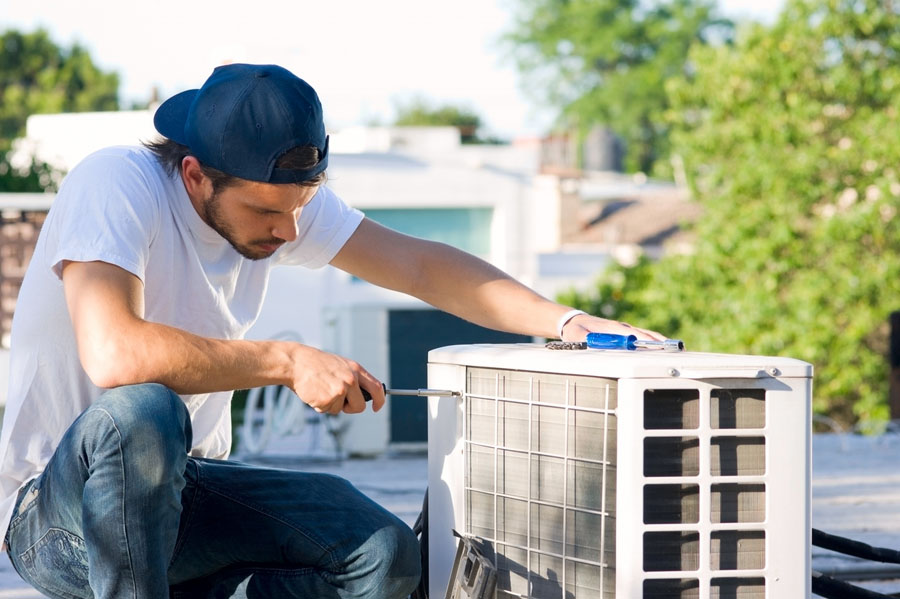
Heat Pump Maintenance
Proactive Heat Pump Care for Long-Term Performance
Your heat pump works hard year-round to keep your home comfortable, and regular maintenance is the key to keeping it running at peak performance.
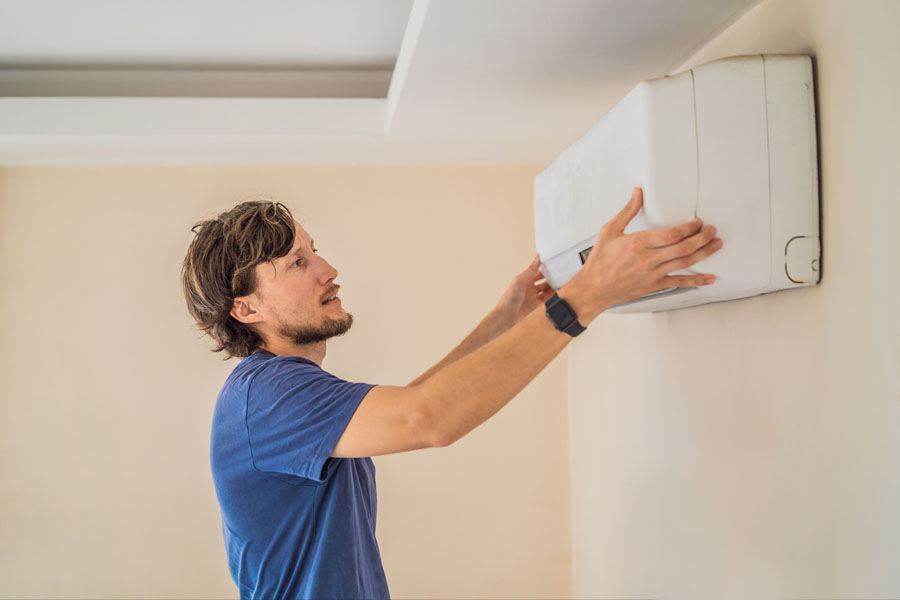
Mini Split Maintenance
Preventative Mini Split Maintenance for Peak Efficiency
Ductless mini split systems are known for their efficiency, but they still need regular maintenance to perform at their best.
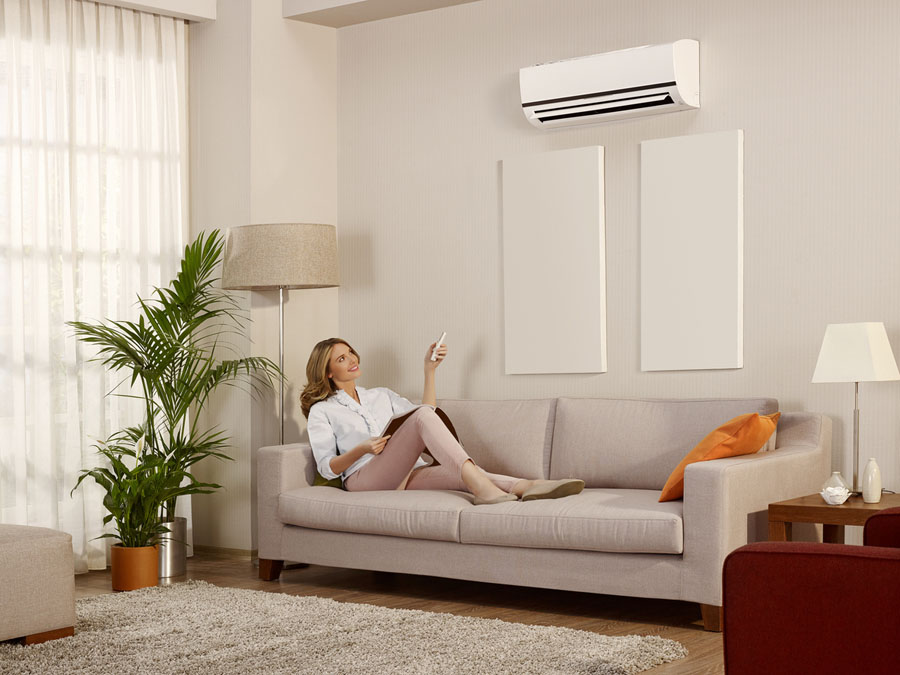
Mini Split Repair
Fast, Targeted Repairs for Your Mini Split System
Mini split systems offer reliable comfort, but when something goes wrong, a fast and accurate repair is essential.

Common Garage Door Opener Repair Questions

Request Garage Door Opener Repair in Jacksonville
Whether your remote stopped responding, the motor runs without moving the door, the sensors keep flashing, or the opener has become unreliable after years of use, our team can determine whether repair or replacement makes the most sense. Request garage door opener repair from King of Home Solutions today and get your system back to dependable operation.