Serving The Jacksonville Area



Water Pressure Drops When Two Faucets Run at Once: Why?
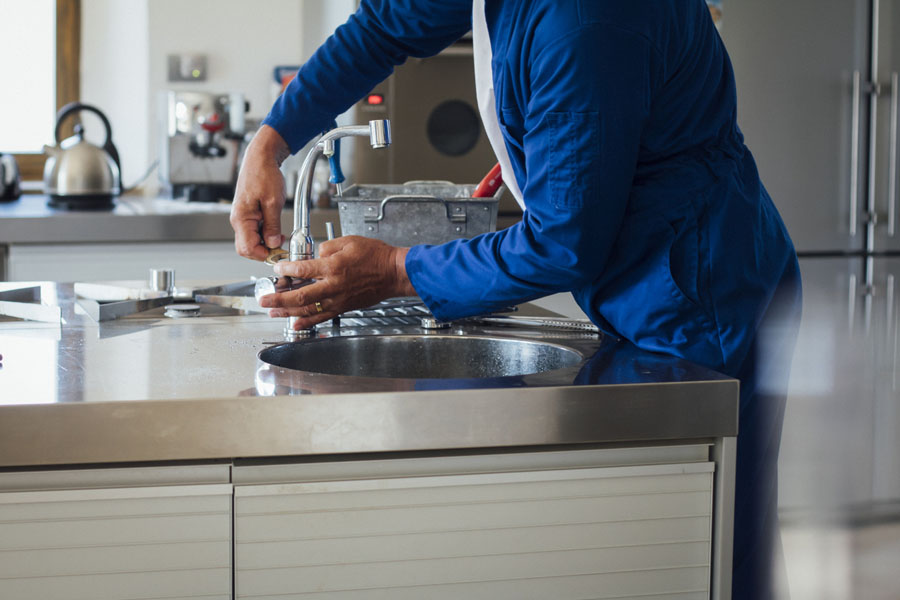
Water Pressure Drops When Two Faucets Run at Once: Why?
When water pressure drops when two faucets run, the home’s plumbing system may not be delivering enough water to meet the combined demand. Possible causes include an undersized supply line, a malfunctioning pressure regulator, internal pipe restrictions, or a partially closed valve. A small change in water flow can be normal, but a significant drop that makes fixtures difficult to use may indicate a plumbing problem.
In Saint Johns, FL, busy households often use several fixtures at once. A shower may lose pressure when someone turns on the kitchen faucet, or a bathroom sink may slow down when the washing machine fills. At King of Home Solutions, we help homeowners identify what limits their water supply and recommend repairs based on pressure and flow testing.
Low Water Pressure? Get It Fixed!
Stop struggling with weak water flow. Schedule a professional plumbing inspection and restore your home's water pressure!
Quick Answer: Why Does Water Pressure Drop When Two Faucets Run?
When two faucets operate simultaneously, both draw water from the home’s supply system.
If the pipes, valves, pressure regulator, or incoming water service cannot deliver enough flow, the available pressure at each fixture may decrease.
The most common possibilities include:
- Limited supply capacity: The plumbing system may not deliver enough water for multiple fixtures operating together.
- Pressure regulator problems: A pressure-reducing valve may restrict flow excessively or fail to maintain suitable downstream pressure.
- Pipe restrictions: Corrosion, mineral deposits, or debris can reduce the effective opening inside certain pipes.
- Undersized plumbing: Pipes that are too small for the connected fixtures may experience excessive pressure loss during higher demand.
- Main supply line restrictions: A partially closed valve, damaged service line, or restricted meter assembly may affect the entire home.
- Water treatment equipment: A clogged whole-house filter or another restriction can reduce available flow.
- Municipal supply conditions: Changes in incoming water pressure may become more noticeable when multiple fixtures operate.
The location and timing of the pressure drop provide important clues.
If only one bathroom is affected, the restriction may involve a shared branch line.
If pressure falls throughout the house whenever two fixtures run, the issue may be closer to the main supply, regulator, or primary distribution piping.
Homeowners can compare fixture performance and check visible conditions without opening plumbing connections.
However, the actual cause should be confirmed through professional pressure and flow testing before deciding whether a valve, regulator, pipe section, or larger portion of the system needs repair.
How Your Home’s Water Supply Capacity Works
Water pressure and water flow are closely related, but they are not identical.
Understanding the difference helps explain why a faucet may work perfectly when used alone but struggle when another fixture opens.
What Is Water Pressure?
Water pressure is the force available to move water through the plumbing system.
It is commonly measured in pounds per square inch, or PSI.
When no fixtures are running, a pressure gauge measures static pressure.
What Is Water Flow?
Water flow describes the amount of water delivered over time.
Residential fixture flow is often measured in gallons per minute, or GPM.
A faucet may receive adequate pressure when it is the only fixture operating, but available flow must be shared as additional fixtures open.
What Happens When Two Faucets Run?
Imagine a home where the kitchen faucet and bathroom sink connect to the same supply piping.
When only the kitchen faucet runs, water moves through the shared pipe toward that fixture.
When the bathroom faucet opens, the combined demand increases.
More water must move through portions of the same piping system.
As flow increases, friction losses in the pipes and fittings generally increase.
If those losses become excessive, the pressure available at the fixtures decreases.
Why Pipe Diameter Matters
A smaller pipe creates more resistance to water movement than a suitably sized larger pipe under comparable conditions.
Long pipe runs, numerous fittings, and restrictions can also increase pressure loss.
Does Every Home Experience Some Pressure Drop?
Yes. Some reduction in available pressure during water use is expected.
The important question is whether the system continues delivering enough water for normal fixture operation.
A modest change may be acceptable.
A dramatic loss of shower flow whenever a sink opens may indicate a capacity or restriction problem.
Why Static Pressure Alone Is Not Enough
A home can show an acceptable pressure reading when every fixture is closed but perform poorly when several fixtures operate.
That is why plumbers evaluate pressure under flowing conditions rather than relying only on a single static reading.
For Saint Johns homeowners, this distinction is especially important when the problem appears only during simultaneous water use.
Can a Pressure Regulator Cause the Drop?
Yes. A pressure-reducing valve, commonly called a PRV, can contribute to excessive pressure loss when multiple fixtures run.
Not every home has a PRV, but these devices are used where incoming supply pressure needs to be reduced to a suitable level.
What Does a Pressure Regulator Do?
A PRV reduces incoming water pressure to a controlled downstream pressure.
This helps protect plumbing fixtures and equipment from excessive pressure.
How Can It Affect Multiple Faucets?
As water flows through a regulator, some pressure loss occurs.
That pressure loss generally increases as demand rises.
A properly selected regulator should provide adequate performance for the connected plumbing system.
What Happens When the Regulator Is Undersized?
A regulator that is too small for the home’s demand may restrict the available flow during simultaneous fixture use.
The pressure may appear acceptable when one faucet is running but drop significantly when several fixtures open.
Can a Regulator Wear Out?
Yes.
Internal components may deteriorate, become obstructed, or stop responding correctly.
A malfunctioning regulator can cause unstable pressure, excessive pressure loss, or other operating problems.
Does a Pressure Drop Prove the PRV Is Bad?
No.
Some pressure reduction across a regulator during flow is normal.
The amount depends on the valve design, size, inlet pressure, and combined water demand.
A plumber must evaluate the conditions before deciding whether the regulator is defective or improperly sized.
Signs That May Suggest a Regulator Problem
Homeowners may notice:
- Significant pressure changes during simultaneous water use.
- Fluctuating fixture performance.
- Changes affecting several rooms.
- Pressure that becomes inconsistent throughout the day.
- Unusual noises near the regulator or supply piping.
These symptoms can also occur with supply-line restrictions or municipal pressure changes.
Should Homeowners Adjust the Regulator?
Professional evaluation is recommended.
Increasing the regulator setting without proper measurements can expose the plumbing system to excessive pressure.
A technician can measure the relevant pressures and determine whether adjustment, repair, or replacement is appropriate.
How Mineral Buildup or Pipe Restrictions Reduce Flow
Water supply pipes gradually develop different conditions depending on their materials, age, and water quality.
In certain plumbing systems, corrosion products or mineral deposits can narrow the internal passage available for water.
This may reduce flow when several fixtures operate together.
How Restrictions Develop
Some older metal pipes are susceptible to internal corrosion.
As corrosion products accumulate, they can reduce the effective pipe diameter.
Mineral deposits may also contribute to restrictions under certain water conditions.
However, the presence and severity of buildup depend on the specific plumbing system.
Why One Faucet May Still Work Normally
A restricted pipe may deliver enough water for one low-flow fixture.
When a second fixture opens, combined demand increases.
The restricted section may then create excessive pressure loss.
The homeowner experiences weak flow even though the fixtures seemed normal when operated separately.
Can Sediment Affect Valves and Filters?
Yes.
Debris may collect in valve screens, filter cartridges, or other narrow plumbing passages.
This can create a restriction without requiring the entire pipe to be replaced.
What About Faucet Aerators?
A clogged aerator can reduce flow at an individual faucet.
However, it usually does not explain a pressure drop affecting several unrelated fixtures throughout the house.
This distinction helps separate local fixture problems from shared supply restrictions.
Possible Signs of Internal Pipe Restrictions
Homeowners may notice:
- Gradually declining water flow.
- Multiple fixtures become weaker over time.
- Significant pressure loss during simultaneous use.
- Discolored water.
- Frequent plumbing repairs.
- Different pressure behavior between older and newer sections of the home.
These symptoms warrant investigation, but they do not establish that the pipes are corroded internally.
Does Every Pipe Material Develop the Same Problem?
No.
Galvanized steel, copper, PEX, CPVC, and other piping materials have different characteristics and potential failure modes.
A professional assessment should identify the actual pipe material and condition.
Why Testing Comes Before Replacement
A clogged filter, malfunctioning regulator, or partially closed valve can create symptoms similar to restricted piping.
Replacing pipes without confirming the bottleneck could result in unnecessary expense.
At King of Home Solutions, we evaluate the plumbing conditions before recommending extensive repairs.
Can Older or Undersized Pipes Be the Problem?
Yes. Pipes that are too small for the home’s current water demand can cause noticeable pressure loss when several fixtures operate together.
However, pipe age alone does not prove that a plumbing system needs replacement.
How Pipe Size Affects Performance
Water flowing through an undersized pipe experiences greater resistance at a given flow rate.
When multiple fixtures draw water from the same pipe, that resistance may become substantial.
What If the Home Has Been Remodeled?
A home may have had additional fixtures installed over time.
Examples include:
- A second bathroom.
- A larger shower system.
- An additional laundry area.
- An outdoor kitchen.
- New fixtures with higher combined demand.
If the original piping was not evaluated for the increased load, the system may struggle during simultaneous use.
Can Newer Homes Have Supply Problems?
Yes.
Even relatively new homes can experience restrictions caused by installation problems, incorrectly sized components, partially closed valves, or other issues.
The property’s age is only one part of the assessment.
Why Not Every Small Pipe Is a Problem
A smaller branch line may be entirely appropriate for a single fixture.
The concern is whether the shared piping is sized to deliver adequate flow to the connected fixtures.
Can Long Pipe Runs Matter?
Yes.
Water loses pressure as it travels through pipes and fittings.
Longer runs generally create more friction loss.
What About Multiple Bathrooms?
Homes with several bathrooms may have higher potential peak water demand.
A system should be evaluated based on realistic simultaneous fixture use, not simply the total number of faucets.
Does an Undersized Pipe Require Whole-Home Repiping?
Not necessarily.
If the problem involves one branch line or a short restricted section, targeted replacement may be sufficient.
A plumber should identify which part of the system is limiting performance.
Whole-home repiping should be considered only when the condition and design of the plumbing justify that level of work.
Does the Main Water Supply Line Affect Multiple Fixtures?
Yes. The main water service line supplies water to the home’s distribution system.
A restriction in that line may affect many fixtures because they depend on the same incoming supply.
How the Main Supply Works
For homes connected to a municipal water system, water typically enters through the service connection and passes through components such as the meter, shutoff valves, and possibly a pressure regulator.
The water then travels through the home’s distribution piping.
What If the Main Line Is Restricted?
A partially obstructed or undersized service line may deliver enough water for one fixture but struggle when demand increases.
The resulting pressure drop may affect multiple areas of the home.
Could a Valve Be Partially Closed?
Yes.
A valve that is not fully open can restrict the available flow.
This may happen after plumbing work or because of valve damage.
Homeowners should not force unfamiliar, corroded, or difficult-to-operate valves.
Can a Water Meter Assembly Create Restrictions?
Meter size and related components can affect available flow.
However, responsibility for meter-side equipment varies by utility and installation.
What About Water Treatment Systems?
Whole-house filters, softeners, and other treatment equipment may create pressure loss.
A clogged filter cartridge or incorrectly sized component may become more restrictive as demand rises.
Can Municipal Pressure Change?
Yes.
Incoming water pressure may vary because of utility operations, local demand, or distribution-system conditions.
A plumber may need to distinguish conditions originating inside the home from those occurring upstream.
Does a Main-Line Problem Always Require Excavation?
No.
The issue may involve an accessible valve, filter, regulator, or another component.
Excavation or service-line replacement should not be recommended until the source of the restriction has been identified.
Why the Location of the Pressure Drop Matters
A professional can compare available pressure at different test points.
These measurements help determine whether the restriction is near the incoming supply or within the home’s distribution system.
How to Remove “Hard Water Spots” From Jacksonville Fixtures Permanently
You clean the bathroom faucet on Saturday. By Monday, the white spots are back. You wipe the showerhead. They return.…
Read The BlogHow to Tell Whether the Problem Is House-Wide
One of the most useful diagnostic steps is identifying how many fixtures are affected.
Homeowners can gather this information without opening pipes or making repairs.
Only One Faucet Is Weak
If one faucet has poor flow even when no other fixture is running, the problem may be local.
Possible causes include a clogged aerator, faucet cartridge, or fixture shutoff valve.
Two Fixtures in the Same Bathroom Are Affected
A shared branch pipe may be restricting flow.
The problem could also involve another component supplying that bathroom.
Fixtures Throughout the Home Lose Pressure
A whole-house pattern suggests that the issue may involve the main supply, pressure regulator, primary distribution piping, or a common restriction.
Only Hot Water Pressure Drops
If cold water remains strong but hot water becomes weak, the restriction may involve the water heater, hot-water distribution piping, or related valves.
This is different from a problem affecting both hot and cold water.
Pressure Drops Only During High Demand
If the problem occurs when the shower, washing machine, and kitchen faucet operate together, overall supply capacity may need evaluation.
The Problem Started Suddenly
A sudden change may point toward a valve, regulator, filter, leak, or supply condition.
The Problem Developed Gradually
Gradually declining performance may suggest accumulating restrictions or developing component problems.
However, the timeline is not a definitive diagnosis.
A Simple Observation Chart
| Symptom | Possible area to investigate |
| One faucet is weak | Local fixture or branch |
| Two nearby fixtures affect each other | Shared branch piping |
| Entire house loses flow during simultaneous use | Main supply, regulator, or primary piping |
| Hot water only becomes weak | Hot-water supply components |
| Sudden whole-house pressure change | Valve, regulator, supply, or leak |
| Gradual decline in several rooms | Pipe restrictions or developing component problems |
This information can help the plumber choose appropriate testing locations.
What Warning Signs Point to a Larger Plumbing Issue?
A modest flow change during simultaneous water use may be normal.
However, significant pressure loss combined with other symptoms may indicate a plumbing problem requiring prompt attention.
Pressure Drops Suddenly Throughout the Home
A sudden change may suggest a restriction, failed component, or supply interruption.
Water Becomes Discolored
Brown, reddish, or otherwise unusual water may indicate corrosion, sediment, or a supply-related condition.
The cause should be investigated.
Plumbing Leaks Appear
Wet walls, damp floors, ceiling stains, or visible pipe leakage require prompt attention.
A leak may affect plumbing performance and damage building materials.
The Water Meter Shows Unexplained Usage
Water movement when all fixtures and water-using appliances are off may suggest a leak, although meter features and testing methods vary.
Pressure Fluctuates Dramatically
Unstable pressure may point toward a regulator or supply problem.
Pipes Make Unusual Noises
Whistling, vibration, or banging can occur for several reasons.
A plumber can determine whether the sound is associated with excessive velocity, valve operation, or another condition.
Shower Temperature Changes Unexpectedly
When pressure and flow change between hot and cold supplies, shower temperature can fluctuate.
A sudden hot-water surge may create a scalding risk.
Multiple Fixtures Become Difficult to Use
If normal household tasks cannot occur simultaneously without severe flow loss, the system may have a capacity or restriction problem.
When Immediate Attention Is Needed
If water is actively leaking, a pipe has burst, or there are signs of substantial water damage, arrange prompt plumbing assistance.
Use the appropriate homeowner-accessible water shutoff only if it can be operated safely.
What Can Homeowners Safely Check?
When water pressure drops when two faucets run, homeowners can perform several basic observations before scheduling a plumbing evaluation.
These checks should not involve opening pressurized pipes, adjusting regulators, or dismantling supply components.
1. Compare One Faucet With Two
Observe the flow from one faucet.
Then have another person turn on a second fixture.
Notice whether the first faucet experiences a small reduction or a major loss of flow.
2. Try Different Fixture Combinations
Compare fixtures in the same bathroom with fixtures in separate rooms.
This may help identify whether the issue involves a shared branch or a larger portion of the supply system.
3. Compare Hot and Cold Water
Note whether the problem occurs with both supplies or only one.
This distinction may help narrow the location of the restriction.
4. Check Accessible Faucet Aerators
If one faucet is weak independently of other fixtures, inspect its removable aerator according to the manufacturer’s instructions.
Avoid forcing corroded or damaged parts.
A local aerator restriction usually will not explain house-wide pressure loss.
5. Note Recent Plumbing Changes
Tell the plumber whether the problem began after:
- A water heater replacement.
- New fixture installation.
- A bathroom renovation.
- Plumbing repairs.
- Water treatment equipment installation.
- Utility service interruption.
6. Look for Visible Leaks
Check accessible areas beneath sinks, around water heaters, and near exposed plumbing.
Do not remove wall finishes or handle damaged electrical equipment near water.
7. Review Water Bills
An unexplained increase in water usage may support the possibility of a leak.
However, billing changes alone do not confirm the cause.
8. Ask Whether Neighbors Have Similar Problems
If several nearby homes experience sudden pressure changes, a utility-side condition may be possible.
Homeowners should contact the relevant water utility for information about service conditions.
What Homeowners Should Avoid
Do not:
- Adjust the pressure regulator without appropriate measurements.
- Open pressurized plumbing connections.
- Force a corroded shutoff valve.
- Modify meter equipment.
- Increase water pressure to compensate for an unknown restriction.
- Cut into supply pipes.
- Replace pipe sections without confirming the problem.
- Install a booster pump as a substitute for diagnosis.
The purpose of these checks is to describe the problem accurately.
A qualified plumber can then determine whether the plumbing needs repair, adjustment, or further testing.
What Testing Can a Plumber Perform?
Professional testing helps identify whether the problem involves incoming supply pressure, flow capacity, a regulator, or the home’s distribution piping.
A pressure reading taken while all fixtures are closed is only part of the evaluation.
Static Pressure Measurement
A plumber may measure water pressure when no water is being used.
This provides information about the supply’s resting pressure.
Flowing Pressure Measurement
The technician can measure pressure while one or more fixtures operate.
This helps reveal how the system responds to demand.
Comparing Multiple Demand Conditions
The plumber may compare results with:
- All fixtures closed.
- One faucet operating.
- Two fixtures operating.
- Higher combined household demand.
These comparisons can reveal where pressure loss becomes excessive.
Pressure Regulator Evaluation
If a PRV is installed, the technician may assess its operation and determine whether it is appropriately sized and functioning correctly.
Supply Valve Inspection
Relevant shutoff valves can be checked for restrictions or operating problems.
Water Treatment System Assessment
Filters and other treatment equipment may be evaluated to determine whether they contribute excessive pressure loss.
Pipe Size and Material Review
A plumber can assess the visible pipe materials, diameters, layout, and expected fixture demand.
Flow Rate Testing
Measuring delivered flow can help determine whether the fixtures receive sufficient water.
Leak Evaluation
If symptoms suggest water loss, the technician may recommend leak detection.
Identifying the Restriction
By comparing measurements from relevant locations, the plumber can narrow the problem to the incoming supply, regulator, distribution piping, or individual branches.
Why Testing Helps Avoid Unnecessary Work
A homeowner might assume that the entire house needs repiping because two faucets cannot run comfortably at once.
However, the actual problem could be a restrictive regulator, clogged filter, or partially closed valve.
Testing helps identify the correction that addresses the cause rather than replacing components based on assumptions.
When Repiping May Be Considered
Repiping can be an appropriate solution when the existing supply piping is severely deteriorated, repeatedly leaking, or unable to deliver adequate flow because of confirmed restrictions.
However, repiping should not be the first recommendation simply because two faucets affect each other.
When Corrosion Is Extensive
Certain aging metal pipes may develop significant internal corrosion that restricts flow.
If these conditions affect multiple sections, replacement may be appropriate.
When Pipes Have Repeated Leaks
A plumbing system with frequent failures may require more extensive repairs.
The decision depends on pipe material, age, condition, and the locations of damage.
When Piping Is Undersized
If professional evaluation confirms that important shared supply lines are too small for normal demand, resizing selected sections may improve performance.
When a Partial Repipe Is Enough
Not every home needs all its water supply pipes replaced.
A targeted pipe replacement may resolve a specific restriction while preserving other serviceable sections.
When Whole-Home Repiping Makes More Sense
A full repipe may be considered when problems affect much of the distribution system or multiple pipe sections are deteriorating.
What Does Not Automatically Require Repiping?
A failed pressure regulator, clogged whole-house filter, or partly closed valve generally calls for a different repair.
What About Modern Piping Materials?
Replacement piping may use materials such as PEX or copper, depending on the home’s needs and applicable requirements.
Material selection should consider water conditions, installation design, compatibility, and local codes.
How King of Home Solutions Approaches Repiping
Our Repiping Services include whole-home and sectional pipe replacement.
We evaluate the condition of the plumbing before recommending the extent of replacement.
If a smaller repair can resolve the pressure problem, a full repipe may not be necessary.
Why Professional Diagnosis Comes First
The correct solution depends on which component is limiting flow.
Repiping can restore capacity when damaged or restricted piping is responsible, but it cannot resolve every municipal supply, regulator, or water treatment problem.
Plumbing Services in Saint Johns
Saint Johns homeowners rely on consistent water flow for showers, laundry, dishwashing, cooking, and everyday cleaning.
When two faucets cannot operate at the same time without a noticeable loss of pressure, normal household routines become inconvenient.
In communities such as Julington Creek Plantation, Fruit Cove, and nearby residential neighborhoods, plumbing layouts and fixture demands vary from one property to another.
An older home may have aging water supply pipes, while a newer property may experience a regulator, valve, or installation-related restriction.
At King of Home Solutions, we provide residential plumbing diagnostics and repairs throughout Saint Johns and surrounding Northeast Florida communities.
Identifying the Source of Pressure Loss
Our plumbers evaluate whether the problem involves the home’s water supply, regulator, pipe restrictions, or distribution system.
Pressure and Flow Evaluation
We investigate plumbing performance to determine why water delivery changes when multiple fixtures operate.
The goal is to locate the limiting component rather than assume that every pressure problem requires extensive replacement.
Plumbing Repairs
Our Plumbing Services address water pressure concerns, leaks, damaged pipes, and other residential plumbing problems.
Pipe Replacement When Appropriate
If existing pipes are severely restricted or deteriorating, our Repiping Services provide options for targeted pipe replacement or more extensive system upgrades.
Clear Recommendations
We explain the findings and recommend work based on the condition of the plumbing system.
A pressure drop may be resolved by correcting a particular valve or supply restriction.
Other homes may require pipe replacement when the existing system cannot reliably meet normal water demand.
Serving Saint Johns and Nearby Communities
We serve Saint Johns, Fruit Cove, Julington Creek Plantation, Nocatee, Orangedale, World Golf Village, and surrounding communities.
Whether the water pressure drops whenever two faucets run or the problem affects several bathrooms, our team can help identify what is restricting the supply.
FAQs About Water Pressure Drops
Why does my water pressure drop when two faucets run?
The combined water demand may exceed the available flow through part of the plumbing system. Possible causes include undersized pipes, a restrictive regulator, mineral buildup, or a main supply problem.
Is it normal for water pressure to drop when two fixtures are used?
A modest pressure reduction can be normal. A severe drop that makes showers or faucets difficult to use may indicate a supply restriction or capacity problem.
Can a bad pressure regulator cause low pressure in multiple bathrooms?
Yes. A malfunctioning or improperly sized regulator can contribute to excessive pressure loss, especially when multiple fixtures operate.
Can old pipes cause water pressure to drop?
Yes. Some older pipes develop internal corrosion or deposits that restrict water flow. However, pipe conditions should be confirmed before recommending replacement.
Why does the shower lose pressure when the kitchen faucet turns on?
The fixtures may share a supply restriction or exceed the available flow through part of the plumbing system. A plumber can evaluate the supply capacity and pressure losses.
Can a partially closed valve reduce water pressure?
Yes. A partially closed or damaged valve can restrict flow, particularly during higher demand. Homeowners should avoid forcing corroded valves.
Does a water pressure drop mean there is a leak?
Not necessarily. Restrictions, pipe sizing, and regulator problems are possible causes. A leak becomes more likely when there is unexplained water use, visible moisture, or other evidence.
Can a water heater cause pressure problems?
Yes. Restrictions associated with the water heater or hot-water piping can affect hot-water delivery. If both hot and cold pressure drop, another shared supply issue may be responsible.
Will repiping improve water pressure?
Repiping may improve flow when existing pipes are severely restricted or undersized. It will not automatically correct a faulty regulator or inadequate incoming supply.
When should a Saint Johns homeowner call a plumber?
Schedule service when pressure drops significantly during normal simultaneous use, multiple rooms are affected, or there are leaks, discoloration, unstable pressure, or other warning signs.
Two Faucets Shouldn’t Bring the House to a Trickle—Call King of Home Solutions
A small change in water pressure when multiple fixtures operate can be expected.
However, if water pressure drops when two faucets run and normal household activities become difficult, the plumbing system may have a restriction or capacity problem worth investigating.
The issue could involve a pressure regulator, partially closed valve, aging pipe, undersized supply line, or another component that limits water delivery during increased demand.
At King of Home Solutions, we help Saint Johns homeowners identify why their plumbing performs poorly when more than one fixture is used.
Our plumbers evaluate the system, explain the likely cause, and recommend repairs based on the findings.
If the problem involves a serviceable valve or regulator, a targeted repair may be appropriate.
If the supply piping is significantly restricted or deteriorating, we can explain whether partial or whole-home repiping should be considered.
Restore Consistent Water Flow With King of Home Solutions
If turning on a second faucet causes your shower, sink, or other fixtures to lose significant pressure, contact us for professional plumbing service in Saint Johns, FL.
Call King of Home Solutions at (904) 865-4663 to schedule an evaluation.
Our team provides residential plumbing diagnostics, water pressure troubleshooting, and pipe repair services throughout Saint Johns and surrounding Northeast Florida communities.
Explore our Plumbing Services or Repiping Services to learn more.
We identify what’s restricting your water supply, explain your repair options, and help restore dependable water flow throughout your home.
Water Pressure Drops When Two Faucets Run?
Don't let low water pressure disrupt your home. Get professional plumbing inspections and repairs today!