Serving The Jacksonville Area


Furnace Blower Keeps Running After the Heat Turns Off: Why?
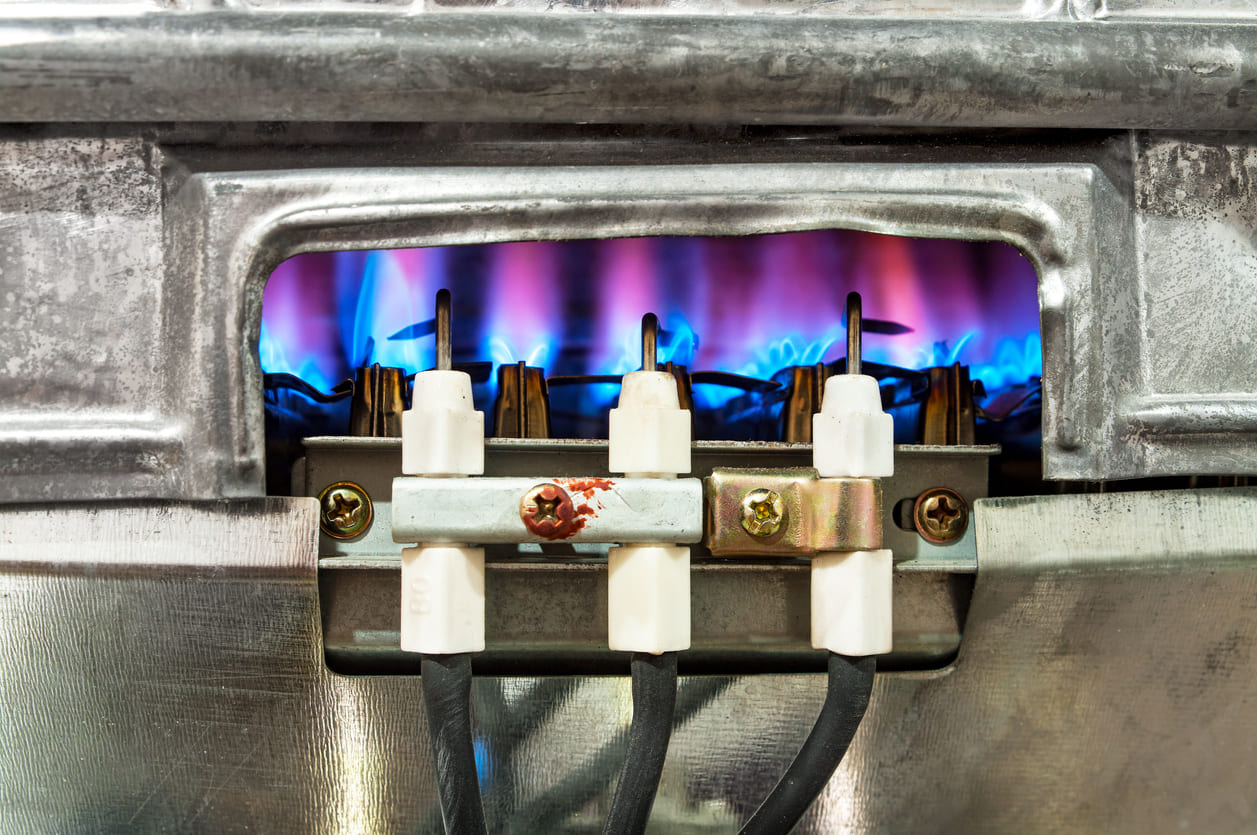
Furnace Blower Keeps Running After the Heat Turns Off: Why?
If your furnace blower keeps running after the heat turns off, it may be completing a normal cooldown cycle. Most furnaces keep the blower running briefly to move remaining heat through the ductwork. However, continuous airflow can also indicate a thermostat setting, limit switch, airflow restriction, or control problem.
For Saint Johns homeowners, the key is knowing when the blower is operating normally and when something needs attention. A fan that shuts off after a few minutes usually isn’t a concern, but one that runs indefinitely may need professional diagnosis.
At King of Home Solutions, we help homeowners understand heating system problems and determine when professional heating repair is necessary.
Furnace Blower Won’t Stop Running?
Don't let a faulty furnace waste energy. Get expert HVAC troubleshooting and repairs today!
Quick Answer: Why Does the Furnace Blower Keep Running After the Heat Turns Off?
A furnace blower normally continues running for a short time after the burners shut off. This helps distribute remaining heat and allows the furnace to cool down properly.
However, if the blower keeps running long after the heating cycle ends, there may be another reason.
Common causes include:
- Thermostat fan settings: The fan may be set to ON rather than AUTO.
- Normal blower delay: The furnace may still be completing its programmed cooldown period.
- High-limit switch activation: An overheating furnace may shut off its burners while keeping the blower running.
- Faulty limit switch: A malfunctioning safety control may interfere with normal blower operation.
- Control board problems: The furnace’s electronic controls may continue signaling the blower to operate.
- Stuck fan relay: An electrical relay may fail to release when the blower should stop.
- Restricted airflow: A clogged filter or blocked duct can contribute to overheating and abnormal heating cycles.
The most useful first step is to determine whether the blower stops on its own after a few minutes or continues running much longer than usual.
If the fan doesn’t stop and the thermostat is already set correctly, professional inspection may be necessary.
How Long Should a Furnace Blower Normally Run After a Heating Cycle?
In many furnaces, the blower continues running for approximately one to five minutes after the heat shuts off.
This is commonly called a blower-off delay or fan-off delay.
When your thermostat reaches its set temperature, the furnace stops producing heat. However, the heat exchanger may still contain residual warmth.
The blower continues circulating air across the heat exchanger, helping distribute that remaining heat and cool the equipment.
The exact cooldown time depends on the furnace model, manufacturer settings, and control system.
For example, if your furnace stops heating and the blower continues for another two minutes before shutting off, that may be completely normal.
But if the fan continues for 15 or 20 minutes, or never stops at all, the behavior deserves closer attention.
The important question isn’t simply how long the blower runs. It’s whether the operation matches your furnace’s normal settings and operating conditions.
Some systems are also designed for continuous or intermittent fan circulation, so the thermostat’s configuration matters.
Can the Thermostat Fan Setting Keep the Blower Running?
Yes. The thermostat fan setting is one of the most common reasons a furnace blower continues operating after the heating cycle ends.
Most thermostats include settings such as AUTO and ON. Some smart thermostats also offer circulation schedules.
Fan set to AUTO
With the fan set to AUTO, the blower generally operates during heating or cooling cycles and any programmed post-cycle delay.
After the heating cycle and cooldown period are complete, the blower normally shuts off.
Fan set to ON
When the thermostat fan is set to ON, the blower is instructed to run continuously, even when the furnace isn’t actively producing heat.
You may notice air coming from the vents long after the room has reached its desired temperature.
This doesn’t necessarily mean the furnace is malfunctioning.
Circulate or scheduled fan settings
Some programmable and smart thermostats can run the blower periodically to circulate indoor air.
These schedules may cause the fan to operate between heating cycles.
If your blower runs unexpectedly, check the thermostat display and fan settings before assuming an internal furnace problem.
If the thermostat appears to be configured correctly but the blower won’t stop, the thermostat or control wiring could be involved.
King of Home Solutions offers thermostat services, including troubleshooting, repairs, and replacements.
How a Limit Switch Can Cause Continuous Blower Operation
A furnace limit switch is an important safety component that helps protect the heating system from excessive temperatures.
In a gas furnace, the high-limit switch monitors temperature conditions inside the equipment.
If the furnace becomes too hot, the high-limit control can shut off the burners while allowing the blower to continue moving air.
This helps remove heat from the equipment.
For homeowners, the result can be confusing.
You may hear the blower operating and feel air moving through the vents, but the furnace may no longer be producing heat.
A high-limit condition can happen for several reasons, including restricted airflow or a problem affecting how the furnace operates.
A faulty limit switch or its associated controls can also interfere with normal operation.
However, a blower that runs continuously doesn’t automatically mean the limit switch is defective.
Sometimes the switch is doing exactly what it was designed to do by responding to an overheating condition.
Replacing or resetting a safety component without identifying the underlying problem can leave a serious issue unresolved.
A trained HVAC technician should determine whether the switch has activated because of overheating, has malfunctioned, or is receiving an incorrect control signal.
Can a Control Board or Relay Be the Problem?
Yes. The furnace control board and blower relay help manage when the fan starts and stops.
The control board coordinates several furnace operations, including heating requests, safety checks, and blower timing.
When the thermostat stops calling for heat, the control system normally allows the blower to complete its cooldown period before shutting it off.
If a control board malfunctions, it may continue commanding the blower to operate.
A fan relay can also cause trouble.
A relay is an electrically operated switch that controls power to certain components. If a blower relay becomes stuck in its operating position, the blower may continue running even when it should stop.
Possible signs of a control-related problem include:
- The blower runs even when the thermostat is no longer requesting heat.
- Changing the thermostat fan setting doesn’t affect blower operation.
- The system behaves differently from one heating cycle to the next.
- The blower starts unexpectedly without an obvious reason.
- The furnace stops producing heat, but the fan continues indefinitely.
These symptoms can overlap with thermostat, wiring, and safety-control problems.
Because the control board and relays involve electrical components, homeowners shouldn’t attempt to inspect or test them internally.
Professional testing can identify whether the control board, relay, thermostat, or another component is responsible.
How Overheating Can Affect Blower Operation
An overheating furnace may keep its blower running as part of a built-in safety response.
During normal heating, air moves across the heat exchanger and carries warmth into your home’s ductwork.
If airflow becomes too restricted, heat can build up inside the furnace.
When temperatures exceed the equipment’s safe operating range, the high-limit control may interrupt burner operation.
The blower may continue running to help cool the system.
This can create a situation where the furnace appears to have stopped heating, but air keeps coming through the vents.
You might notice:
- The blower runs unusually long after the burners shut off.
- The furnace produces heat briefly before stopping.
- The system repeatedly attempts another heating cycle.
- Airflow seems weaker than normal.
- The home struggles to maintain the thermostat temperature.
Repeated overheating is not something to ignore.
It can place unnecessary stress on heating components and may indicate an airflow, equipment, or combustion-related problem.
Even if the furnace begins heating again after cooling down, the underlying issue may still be present.
A professional should evaluate repeated high-limit shutdowns rather than simply restarting the furnace.
Could Restricted Airflow Be Involved?
Yes. Restricted airflow can contribute to overheating and abnormal blower operation.
Your furnace relies on a steady flow of air to move heat from the heat exchanger into the living areas of your home.
When too little air moves through the system, internal temperatures may rise.
Common airflow restrictions include:
- Clogged air filters: Dust and debris can reduce the amount of air passing through the system.
- Blocked return grilles: Furniture or household items may restrict airflow back to the equipment.
- Closed or obstructed supply vents: Significant restrictions can affect how air moves through the ductwork.
- Ductwork problems: Crushed, damaged, or improperly sized ducts can limit airflow.
- Dirty indoor components: Buildup on certain internal components may interfere with circulation.
For example, a severely clogged furnace filter may reduce airflow enough to cause the high-limit switch to shut off the burners.
The blower may then continue running while the equipment cools.
However, restricted airflow isn’t the only reason a blower might run continuously.
If your filter is clean and your vents are unobstructed, the problem may involve a thermostat, safety control, or electrical component.
A technician can evaluate the complete system instead of assuming the filter is the cause.
What Can Homeowners Safely Check?
Before scheduling a repair, there are a few simple checks homeowners can make without opening the furnace or working with electrical components.
- Check the thermostat fan setting.
Make sure the fan is set to AUTO rather than ON if you don’t want continuous air circulation.
For a smart thermostat, review any circulation schedules that may be enabled.
- Allow time for the normal cooldown cycle.
After the heat turns off, observe whether the blower stops within the normal period for your equipment.
Many furnaces run the fan for a few additional minutes.
- Check the air filter.
If your filter is accessible and intended for homeowner replacement, inspect it for excessive dirt.
Replace it with the correct filter when needed, following the equipment manufacturer’s instructions.
- Check accessible vents and return grilles.
Look for furniture, rugs, or other objects blocking airflow.
Keep supply vents and return grilles unobstructed.
- Look at the thermostat display.
Check for unexpected settings, alerts, or messages indicating a system issue.
Some thermostats display whether the fan is running or whether heating is currently requested.
- Pay attention to the heating pattern.
Notice whether the furnace produces heat normally before the blower continues, or whether the blower runs without the system producing heat at all.
This information can help a technician understand the problem.
Avoid removing furnace panels, handling electrical wiring, testing relays, adjusting limit switches, or bypassing safety controls.
If the blower continues running despite normal thermostat settings and a reasonable cooldown period, schedule professional service.
What Warning Signs Mean the Furnace Needs Repair?
An extended blower cycle isn’t always an emergency, but certain symptoms suggest that the furnace needs attention.
Arrange professional heating service if:
- The blower runs continuously even with the thermostat fan set to AUTO.
- The blower continues much longer than the furnace’s normal cooldown period.
- The furnace repeatedly stops producing heat while the fan keeps running.
- The heating system cycles on and off unusually often.
- Airflow is weak despite a clean filter and unobstructed vents.
- The thermostat displays a persistent fault or system error.
- You hear unfamiliar buzzing, grinding, or other abnormal mechanical noises.
- The system no longer maintains a comfortable indoor temperature.
These symptoms can involve safety controls, airflow, electrical components, or the heating equipment itself.
If the problem happens repeatedly, avoid assuming that the furnace is operating correctly just because the blower continues to move air.
Professional diagnosis can help identify the actual cause.
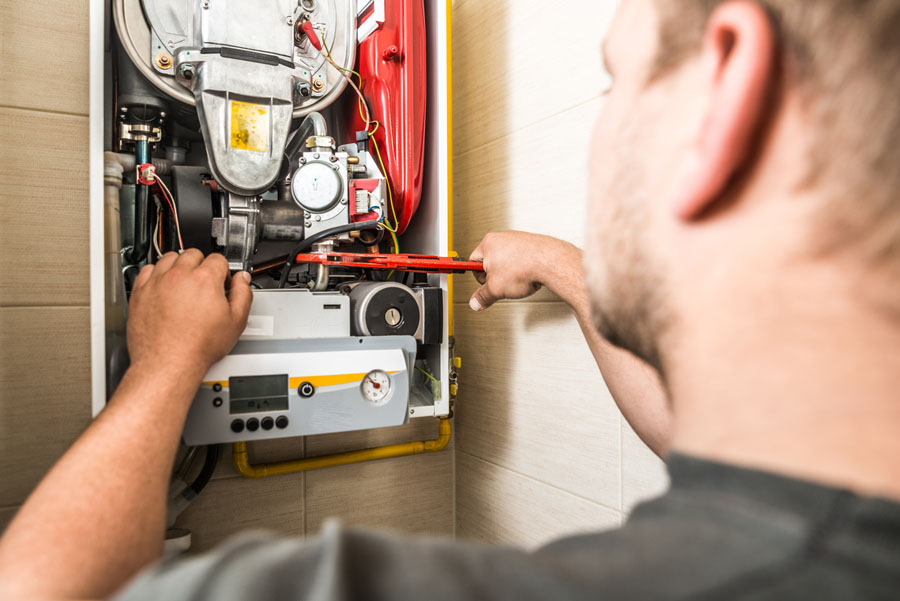
When Is Continuous Blower Operation a Serious Problem?
Continuous blower operation becomes more concerning when it’s accompanied by signs of overheating, electrical trouble, or unsafe furnace operation.
A blower that runs because the thermostat is set to ON is generally not an emergency.
However, a blower that continues operating because the furnace repeatedly overheats may indicate a problem that needs prompt attention.
More serious warning signs include:
- A burning or electrical odor coming from the equipment
- Smoke or visible signs of overheating
- Repeated furnace safety shutdowns
- A carbon monoxide alarm sounding
- A suspected gas leak
- Unusual sounds combined with loss of heating
If a carbon monoxide alarm sounds or you suspect a gas leak, leave the building immediately and contact emergency services or your gas utility from a safe location. Do not attempt to inspect or restart the furnace.
For smoke or serious electrical warning signs, avoid operating the equipment and seek qualified assistance. Use the system’s normal controls to turn it off only if doing so is safe.
Never bypass a furnace safety switch or repeatedly reset an overheating system to keep it running.
A safety shutdown is a warning that deserves proper investigation.
Heat Pump Auxiliary Heat Keeps Running: Is That Normal in Florida?
A heat pump auxiliary heat keeps running problems may be normal during colder weather, thermostat recovery, or a temporary defrost…
Read The BlogWhen to Call a Heating Technician
If your furnace blower continues running after you’ve checked the thermostat settings, allowed time for cooldown, and confirmed that accessible airflow paths are clear, it’s time to consider professional heating service.
A trained technician can determine whether the issue is caused by a control setting, overheating, an electrical malfunction, or another furnace problem.
During diagnosis, the technician may check:
Thermostat operation
The technician can verify fan commands, heating requests, and communication between the thermostat and furnace.
Blower operation
The technician may examine whether the blower starts, runs, and shuts off according to the equipment’s intended sequence.
High-limit and safety controls
Testing can help identify whether a safety control is responding to overheating or malfunctioning.
Airflow performance
The technician may evaluate filter conditions, airflow restrictions, and other factors affecting circulation.
Control board and relays
Electrical testing can help determine whether a faulty relay or furnace control board is causing continuous blower operation.
Heating system temperatures
Temperature measurements may help identify abnormal operating conditions or confirm whether the furnace is overheating.
The goal is to understand why the blower continues running rather than replacing components based on symptoms alone.
King of Home Solutions provides heating repair services for homeowners experiencing furnace and other heating system problems.
Furnace Repair in Saint Johns
While Saint Johns, Florida, is known for warm weather, cooler winter mornings still make dependable home heating important.
Many homes in Northeast Florida use heat pumps, while others have gas furnaces or different heating configurations. The exact cause of a fan that continues running depends on the equipment installed in your home.
If you have a gas furnace, the blower may be completing a normal cooldown cycle or responding to a thermostat, airflow, limit switch, or control problem.
If your home uses a heat pump with an indoor air handler, the system’s fan controls and heating operation may work differently.
Understanding which type of heating system you have helps determine the appropriate diagnosis.
At King of Home Solutions, we serve homeowners in Saint Johns and nearby Northeast Florida communities with heating and cooling services.
Our team can investigate unusual blower operation, thermostat problems, and heating performance concerns to help identify the appropriate next steps.
You can learn more about our heating repair services, explore our thermostat services, or view our service areas.
FAQs About Furnace Blowers That Keep Running
Is it normal for a furnace blower to keep running after the heat shuts off?
Yes. Many furnaces keep the blower running for approximately one to five minutes after the burners stop. This helps distribute remaining heat and cool the equipment. If the blower runs continuously or much longer than usual, the thermostat settings or another system component may need attention.
Why does my furnace fan keep running when the thermostat is set to AUTO?
If the thermostat is set to AUTO but the fan keeps running, the cause may involve a normal cooldown delay, safety control, faulty relay, or control board problem. Some systems also have additional circulation settings. If the blower doesn’t stop after the expected delay, a technician can identify the cause.
Can a dirty furnace filter cause the blower to run continuously?
A severely clogged filter can restrict airflow and contribute to furnace overheating. If the high-limit safety control activates, the burners may shut off while the blower continues running to cool the equipment. Replacing a dirty filter may resolve an airflow restriction, but repeated overheating still needs professional evaluation.
How do I know if my furnace limit switch is bad?
A faulty limit switch may contribute to abnormal blower operation or interrupted heating, but these symptoms don’t confirm that the switch itself is defective. The switch may be functioning correctly in response to overheating. A qualified technician should test the safety controls and determine the underlying cause.
Will a furnace blower running continuously increase my electric bill?
Running the blower for longer periods uses additional electricity, although the amount depends on the motor’s design, speed, and operating time. Some homeowners intentionally use continuous fan circulation for air movement. Unexpected nonstop operation should be investigated to determine whether a control or heating problem is involved.
Should I turn off my furnace if the blower won’t stop?
If the blower continues running unexpectedly after basic checks, stop requesting heat through the thermostat and arrange service if the issue persists. Do not bypass safety controls or disconnect internal wiring. If you notice smoke, serious electrical warning signs, a gas leak, or a carbon monoxide alarm, follow the appropriate emergency safety procedures immediately.
Get Your Furnace Blower Checked by King of Home Solutions
If your furnace blower keeps running after the heat turns off, the problem may be as simple as a thermostat setting or as involved as a safety-control or electrical malfunction.
Instead of guessing, let a heating professional evaluate the system and explain what’s causing the unusual operation.
At King of Home Solutions, we help homeowners in Saint Johns, FL, with heating repairs, thermostat concerns, and HVAC system performance problems.
Call King of Home Solutions at (904) 865-4663 or contact our team to schedule a heating system evaluation and find out what your furnace needs.
Heat Is Off, but the Fan Keeps Running?
Your furnace may need professional attention. Call today for fast, reliable heating repairs!