Serving The Jacksonville Area


Furnace Igniter Keeps Failing: What Causes Repeated Ignition Problems?
Furnace Igniter Keeps Failing: What Causes Repeated Ignition Problems?
If your furnace igniter keeps failing, the problem may involve more than a worn-out part. Electrical problems, repeated heating cycles, contamination, improper installation, or combustion-related issues can contribute to premature igniter failure. Replacing the igniter may restore heat temporarily without correcting what’s causing it to fail.
For Fleming Island homeowners, repeated igniter problems deserve a closer look. If you’ve already replaced the igniter and your furnace is struggling to start again, professional diagnosis can help identify the underlying issue.
At King of Home Solutions, we help homeowners investigate heating problems and determine when professional heating repair is necessary.
Furnace Won't Ignite Again?
Repeated igniter failures could signal a bigger issue. Schedule professional furnace inspection and repair today!
Quick Answer: Why Does a Furnace Igniter Keep Failing?
A furnace igniter can fail repeatedly because of normal wear, electrical problems, excessive cycling, contamination, or conditions affecting the ignition system.
Many gas furnaces use a hot surface igniter that heats to a high temperature to light the burners. Because the component experiences repeated heating and cooling, it can eventually weaken or crack.
However, repeated failures over a short period aren’t something homeowners should assume is normal.
Possible causes include:
- Normal wear: Years of heating cycles can gradually weaken the igniter.
- Electrical problems: Incorrect voltage or power fluctuations can damage certain igniter types.
- Frequent cycling: Repeated startup attempts increase the number of heating cycles the igniter experiences.
- Contamination: Dust, moisture, or other substances can damage sensitive igniter materials.
- Improper replacement: An incompatible or incorrectly installed igniter may fail prematurely.
- Combustion problems: Delayed ignition or abnormal burner conditions can contribute to ignition-system stress.
- Control problems: A malfunctioning control system may affect the ignition sequence.
The important distinction is whether the igniter itself has failed or another furnace problem is preventing ignition.
An HVAC technician can evaluate both the component and the conditions that may have caused the repeated failure.
How the Furnace Ignition System Works
A gas furnace follows a controlled sequence before producing heat.
When the thermostat calls for heating, the furnace begins checking whether the conditions are appropriate for safe operation.
In many modern systems, an inducer motor helps establish airflow through the combustion and venting system. Safety controls must confirm the required conditions before ignition proceeds.
Next, the ignition system activates.
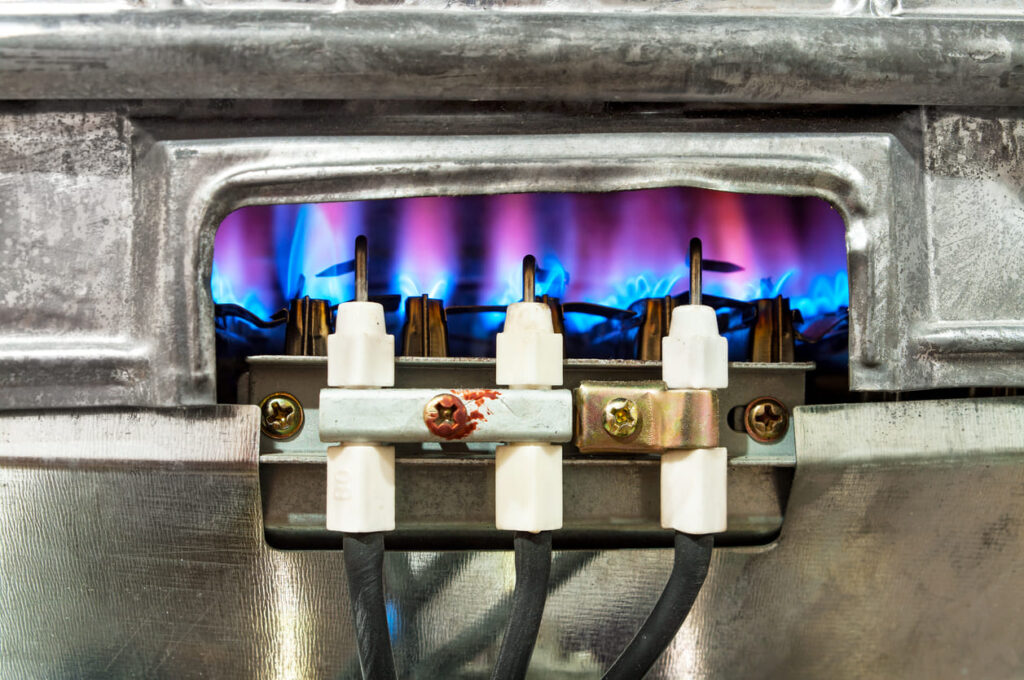
In a furnace equipped with a hot surface igniter, the igniter heats to a temperature sufficient to ignite gas at the burners.
Once the burners light, a flame-sensing system confirms that combustion is taking place. The furnace can then continue its heating cycle and distribute warm air throughout the home.
If the furnace doesn’t establish or maintain a proper flame, safety controls may stop the ignition attempt.
Some furnaces attempt ignition again before entering a temporary safety lockout.
This is why a furnace that repeatedly tries to start doesn’t automatically have a damaged igniter. A flame sensor, gas supply issue, control fault, or another safety-related problem can produce similar symptoms.
A technician must identify which part of the ignition sequence is failing.
Can Normal Wear Cause Repeated Igniter Failure?
Yes. Furnace igniters are exposed to intense temperatures during normal operation, and they don’t last forever.
Hot surface igniters are commonly made with materials such as silicon carbide or silicon nitride. Their characteristics and expected durability vary by design.
Each time the furnace starts, the igniter experiences a heating cycle. Over many cycles, thermal stress can contribute to deterioration.
Eventually, an igniter may crack, weaken, or stop functioning.
A single failure after years of normal use may simply reflect the component reaching the end of its service life.
However, if you replace an igniter and it fails again after several weeks or months, normal wear may not explain the problem.
Repeated premature failure should raise questions about installation, voltage, furnace cycling, and other operating conditions.
Rather than assuming the replacement part was defective, a technician should consider why the furnace is putting unusual stress on the component.
How Electrical Problems Can Damage an Igniter
Electrical problems are one possible reason a furnace igniter fails sooner than expected.
A hot surface igniter requires the appropriate electrical supply to reach its operating temperature.
If the voltage supplied to the igniter doesn’t match its design requirements, the component may experience abnormal heating or fail to operate correctly.
Potential electrical causes include:
- Incorrect voltage supplied to the igniter
- Power surges or voltage fluctuations
- Problems with the furnace control board
- Damaged or loose electrical connections
- An incompatible replacement igniter
For example, a replacement part designed for a different electrical specification may not operate correctly in the existing furnace.
A malfunctioning control board can also affect how the igniter receives power during startup.
Electrical testing is necessary to determine whether the igniter is receiving the correct voltage and operating within the furnace manufacturer’s specifications.
Homeowners should not attempt these tests themselves.
The ignition system contains electrical components that can present serious hazards, even when the furnace isn’t actively heating.
Can Overheating Affect Igniter Life?
Yes, excessive heat or abnormal operating conditions near the ignition assembly can affect certain furnace igniters.
Hot surface igniters are designed to reach very high temperatures. However, that doesn’t mean they can withstand every type of thermal stress.
Repeated heating and cooling can gradually affect the material. Contamination, improper positioning, or abnormal burner conditions may create additional stress.
For example, substances that collect on a sensitive igniter can create uneven heating and potentially contribute to cracking.
An incorrectly positioned component may also be exposed to conditions outside its intended operating environment.
It’s important to distinguish this from general furnace overheating.
When a furnace overheats because of restricted airflow, its high-limit safety control may shut off the burners. That doesn’t necessarily mean the igniter itself has overheated or been damaged.
A technician should evaluate the ignition assembly and the overall heating system to determine whether the conditions are related.
How Airflow Problems May Contribute to Ignition Issues
Airflow restrictions can affect furnace operation, although they don’t always directly damage the igniter.
Your furnace needs adequate airflow to move heat through the home and prevent excessive internal temperatures.
If the filter becomes severely clogged or the ductwork restricts circulation, the furnace may overheat and activate a safety control.
This can interrupt normal heating cycles and lead to repeated startup attempts.
Common airflow concerns include:
- Dirty or clogged air filters
- Blocked return air grilles
- Restricted supply vents
- Damaged or undersized ductwork
- Problems affecting the indoor blower
Repeated cycling may increase the number of times the igniter must heat up, potentially contributing to wear over time.
However, airflow restrictions are not proof of a failed igniter.
For example, a furnace may stop heating because its high-limit switch activates, even when the igniter is functioning correctly.
A professional diagnosis should determine whether the furnace has a direct igniter problem, an airflow problem, or both.
Can Burner or Combustion Problems Affect the Igniter?
Yes. Problems involving the burners or combustion process can interfere with ignition and, in certain situations, contribute to premature component damage.
When a furnace starts, gas must ignite under the conditions specified by the equipment manufacturer.
If the burners are dirty, gas delivery is abnormal, or ignition is delayed, the furnace may struggle to establish a stable flame.
Possible concerns include:
- Dirty or obstructed burners
- Delayed burner ignition
- Incorrect gas pressure
- Problems with combustion air or venting
- Abnormal flame behavior
- Incorrect igniter positioning
These issues may cause repeated ignition attempts or other signs of furnace malfunction.
They can also create symptoms that resemble a bad igniter.
For example, the igniter may activate properly, but the furnace may fail to establish a flame because of a separate burner or gas-delivery problem.
This is one reason replacing the igniter without checking the complete ignition sequence can lead to unnecessary repairs.
Combustion problems require professional evaluation because they can involve fire hazards, unsafe combustion, or carbon monoxide concerns.
Homeowners should not attempt to clean burners, adjust gas valves, or repair internal combustion components themselves.
Why Replacing the Igniter Alone May Not Fix the Problem
If your furnace igniter has failed more than once, replacing the component again may not solve the underlying issue.
A replacement igniter can restore heating when the original part is genuinely defective.
But if electrical, control, or operating conditions caused the failure, the new component may experience similar problems.
A technician may need to examine several factors.
Correct replacement part
The new igniter must match the furnace manufacturer’s specifications. Parts that look similar aren’t always electrically or mechanically interchangeable.
Electrical supply
The technician may check whether the igniter receives the correct voltage and whether its electrical connections are functioning properly.
Ignition control sequence
The control board and associated safety components must activate the ignition system in the correct order.
Burner operation
The technician may evaluate whether the burners light and operate correctly.
System cycling
Repeated short cycling or failed ignition attempts may need further investigation.
Installation and contamination
Improper handling, moisture, or contamination can damage certain igniter materials.
A thorough diagnosis helps determine whether the igniter failed independently or whether another issue needs to be corrected.
What Warning Signs Point to a Larger Furnace Issue?
A furnace that repeatedly needs an igniter replacement may have a problem involving more than the ignition component.
Watch for warning signs such as:
- The furnace attempts to start several times before producing heat.
- Heating works temporarily after an igniter replacement, then fails again.
- The burners don’t light even though the furnace begins its startup sequence.
- The system repeatedly shuts down before reaching the thermostat setting.
- You hear unusual popping, banging, or delayed ignition sounds.
- The furnace displays recurring fault or lockout messages.
- Heating performance becomes inconsistent.
- The system frequently cycles on and off.
These symptoms don’t confirm a specific failure, but they suggest the complete heating system should be evaluated.
Pay particular attention to loud ignition noises, unusual combustion behavior, or repeated safety shutdowns.
If you smell gas, suspect a gas leak, or a carbon monoxide alarm sounds, leave the home immediately and contact emergency services or your gas utility from a safe location. Do not operate electrical switches or attempt to restart the furnace.
Repeated ignition failure should not be addressed through continuous resets or repeated part replacements without proper diagnosis.
What Can Homeowners Safely Check?
There are a few simple things you can check before scheduling furnace service.
These checks don’t involve opening the furnace, handling gas connections, or working with internal electrical components.
- Confirm the thermostat is set correctly.
Make sure the thermostat is set to HEAT and that the requested temperature is higher than the current indoor temperature.
- Check the air filter.
If the filter is accessible and intended for homeowner replacement, inspect it for heavy dust buildup.
Replace it with the correct filter when needed, following the manufacturer’s instructions.
- Look for blocked vents.
Make sure furniture, rugs, or other objects aren’t blocking accessible supply vents or return air grilles.
- Observe the heating pattern.
Notice whether the furnace fails to start, produces heat briefly, or shuts down after several attempts.
This information can help a technician understand the symptoms.
- Review thermostat alerts.
Some thermostats display system notifications or heating errors.
If an alert appears, note the message without attempting to repair the internal equipment.
- Check your maintenance history.
If you’ve had the igniter replaced recently, record approximately when the work was completed and how long the replacement lasted.
That history can be useful when diagnosing a recurring problem.
Avoid touching the igniter, opening burner compartments, testing electrical components, adjusting gas valves, or repeatedly resetting a furnace that fails to ignite.
If the furnace continues having ignition problems, arrange professional service.
Furnace Starts Then Shuts Off After a Few Seconds: What Causes It?
When a furnace starts then shuts off after a few seconds, the problem may involve a faulty flame sensor, ignition…
Read The BlogRepair vs. Replacement: When Does a Bigger Fix Make Sense?
Repeated igniter problems don’t automatically mean you need a new furnace.
If the issue is limited to a worn igniter or another repairable component, replacing the affected part may be a reasonable solution.
However, recurring failures sometimes reveal broader problems that make a larger repair or system replacement worth considering.
Factors to evaluate include:
- Furnace age: Older equipment may have additional components approaching the end of their useful life.
- Repair history: Repeated failures can make ongoing repairs more expensive.
- Overall system condition: Problems involving the heat exchanger, burners, controls, or other major components may affect the decision.
- Repair cost: A major repair should be compared with the cost of replacing the equipment.
- Heating performance: Frequent shutdowns or inconsistent comfort may indicate broader operating problems.
- Safety concerns: Certain equipment defects may require the furnace to remain out of service until corrected.
The decision should be based on the actual diagnosis, not simply the number of times the igniter has been replaced.
For some systems, correcting an electrical or control problem may be enough to restore proper operation.
For others, a technician may recommend discussing replacement if several significant issues are present.
King of Home Solutions provides heating repair services to help homeowners understand their options before making a decision.
Furnace Repair in Fleming Island
Although Fleming Island, Florida, experiences relatively mild winters compared with colder parts of the country, homeowners still rely on dependable heating during cooler weather.
Some homes use gas furnaces, while others use heat pumps or electric heating systems.
The type of heating equipment matters because not every system uses a gas furnace igniter.
If your home has a gas furnace and the igniter keeps failing, the underlying cause may involve electrical supply, ignition controls, component wear, or other operating conditions.
In Northeast Florida’s humid environment, moisture-related corrosion and equipment contamination are also considerations during an HVAC inspection, although neither automatically explains a failed igniter.
At King of Home Solutions, we help homeowners in Fleming Island and surrounding Clay County communities address heating performance concerns.
Our heating repair services include furnace diagnostics and ignition-system troubleshooting.
We also offer heating maintenance to help identify developing issues, evaluate system performance, and support dependable operation.
Whether your furnace has stopped heating or an igniter has failed repeatedly, a professional evaluation can help determine the appropriate next steps.
FAQs About Repeated Furnace Igniter Failure
Why does my furnace igniter keep burning out?
Repeated igniter failure can result from incorrect voltage, power surges, contamination, excessive cycling, or installation problems. Normal wear may explain a single failure after years of use, but repeated premature failures suggest an underlying condition should be checked. A technician can test the igniter and evaluate the ignition system.
How long should a furnace igniter last?
There is no single lifespan that applies to every furnace igniter. Durability depends on the igniter type, furnace design, operating conditions, and frequency of heating cycles. If a replacement fails after an unusually short period, professional diagnosis is more useful than assuming the new part simply wore out.
Can a bad control board cause repeated igniter failure?
Yes. A malfunctioning control board may provide incorrect electrical power or interfere with the ignition sequence. However, not every control board problem physically damages the igniter. Testing is needed to determine whether the board is defective and whether it contributed to the failure.
Can a dirty furnace filter cause an igniter to fail?
A dirty filter usually doesn’t damage an igniter directly. However, restricted airflow can cause overheating and safety shutdowns, potentially increasing heating interruptions and startup cycles. Repeated cycling may contribute to wear, but the exact cause should be confirmed through diagnosis.
Is it safe to keep restarting a furnace with ignition problems?
Repeatedly restarting a furnace with unresolved ignition problems is not recommended. Modern furnaces have safety controls that may stop operation after unsuccessful ignition attempts. If the issue continues, stop attempting resets and contact a qualified heating technician.
Should I replace the furnace if the igniter keeps failing?
Not necessarily. Repeated igniter failures may be caused by a repairable electrical, control, or installation issue. Replacement becomes worth discussing when the furnace has additional major defects, significant safety concerns, or repair costs that no longer make financial sense.
Get Help With Repeated Furnace Igniter Problems in Fleming Island
If your furnace igniter keeps failing, replacing the part again without identifying the cause may leave you dealing with the same problem later.
At King of Home Solutions, we help homeowners in Fleming Island, FL, investigate furnace ignition problems, identify possible causes, and understand their repair options.
Our team can evaluate the ignition system and related heating components to recommend the appropriate next steps.
Call King of Home Solutions at (904) 865-4663 or contact our team to schedule a heating system evaluation.
You can also explore our heating maintenance services to learn more about routine heating system care.
Tired of Furnace Ignition Problems?
Don't let a faulty igniter leave you without heat. Get expert furnace repair and lasting solutions. Call today!