Serving The Jacksonville Area



Water Dripping From Your AC Vent on Humid Days: What Does It Mean?
Water Dripping From Your AC Vent on Humid Days: What Does It Mean?
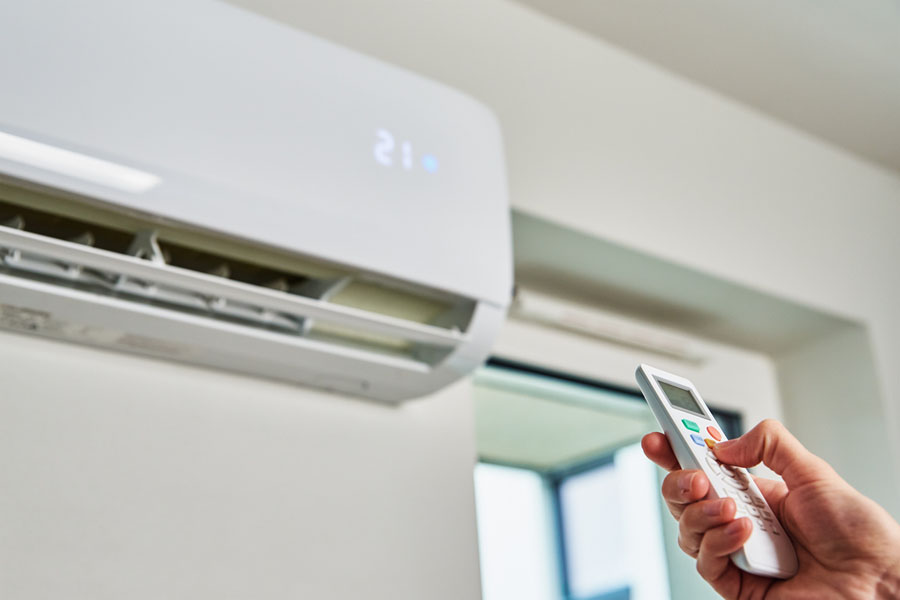
If you notice water dripping from your AC vent on humid days, condensation may be forming where cold supply air meets warm, moisture-filled air. This often happens around ceiling vents, metal registers, or poorly insulated duct connections.
In Nocatee, Florida, high outdoor humidity can make this problem especially noticeable. Even when your air conditioner is cooling the house, excess indoor moisture, air leakage, or damaged duct insulation can allow water droplets to collect around a vent.
However, not every wet AC vent is caused by condensation. A clogged condensate drain, overflowing drain pan, or another moisture source can also create water stains and dripping near an HVAC vent.
The first step is determining where the moisture is coming from. Understanding the difference can help you avoid unnecessary repairs and recognize when professional HVAC service is needed.
Quick Answer: Why Is Water Dripping From My AC Vent?
Water dripping from an AC vent is often caused by condensation, sometimes called a sweating vent. It occurs when a surface becomes cold enough for moisture in the surrounding air to turn into liquid water.
Common contributing factors include:
- High indoor humidity: Moist air can condense on cold vent surfaces.
- Poor duct insulation: Inadequate insulation may allow cold duct surfaces to come into contact with warmer, humid air.
- Air leakage: Gaps around ducts or ceiling registers may introduce humid attic air.
- Restricted airflow: Certain airflow problems can contribute to unusually cold surfaces or inadequate moisture removal.
- AC drainage issues: Condensate that is not draining properly may create a separate water problem.
- Other water sources: Roof leaks or plumbing leaks can sometimes produce stains near ceiling vents.
A small amount of moisture on a vent during very humid conditions may point to a condensation problem. Repeated dripping, wet drywall, or spreading ceiling stains should be investigated rather than treated as normal.
Is It Condensation or an Actual AC Leak?
Before assuming your ductwork needs repair, it’s important to distinguish condensation from water leaking from another part of the air conditioning system.
Both problems can leave moisture around vents, but they develop for different reasons.
Signs the problem may be condensation
Condensation is more likely when:
- Water droplets form directly on the vent grille.
- Moisture appears during humid weather.
- The vent feels very cold.
- Several vents develop similar moisture.
- The droplets decrease as indoor humidity drops.
In these cases, the water may be forming on the outside of the vent rather than traveling through the duct.
Signs another leak may be involved
A separate leak deserves consideration when:
- Water continues dripping after the AC stops running.
- Ceiling stains expand beyond the vent opening.
- Drywall becomes soft, swollen, or discolored.
- Water is visible around the indoor air handler.
- The AC system has a drainage-related shutdown or warning.
Air conditioners naturally produce condensate as they remove moisture from indoor air. That water should collect and drain through the system’s designed drainage components.
If a drain becomes blocked or a pan develops a problem, water can accumulate where it doesn’t belong.
A roof or plumbing leak may also appear near a ceiling vent without originating from the HVAC system.
If you cannot identify the source, schedule an inspection before water damage spreads.
How High Humidity Causes Vent Condensation
Humidity is the amount of water vapor present in the air.
When warm, humid air touches a sufficiently cold surface, some of that water vapor can change into liquid droplets.
This happens when the surface temperature falls below the surrounding air’s dew point.
Your AC supply vents can become quite cold while the system operates. If indoor humidity is elevated, moisture may collect on the metal grille or nearby ceiling material.
For example, a room with high humidity may develop visible condensation around an AC vent even though the cooling system is producing cold air normally.
Nocatee’s humid climate can increase the challenge, particularly when outdoor moisture enters through air leaks, frequently opened doors, or poorly sealed building components.
Indoor activities such as showering, cooking, and drying laundry can also add moisture to the home.
Keeping indoor humidity controlled helps reduce the likelihood of condensation.
A useful general target is approximately 30% to 50% relative humidity, provided it can be maintained comfortably and without creating other moisture problems.
If the humidity regularly stays elevated, identifying why the home is retaining moisture is more effective than repeatedly wiping the vent dry.
Can Poor Duct Insulation Cause Water Around Vents?
Yes. Damaged, missing, or poorly installed duct insulation can contribute to condensation around AC vents.
Insulation helps prevent excessive heat transfer between the conditioned air inside a duct and the surrounding environment.
This is particularly important when ductwork runs through an unconditioned attic.
In many Florida homes, attic temperatures can become much warmer than the air traveling through the supply ducts.
If the duct insulation is damaged or the protective outer covering is compromised, warm, humid air may reach cold duct surfaces and produce condensation.
Possible warning signs include:
- Water forming around one or several ceiling vents
- Moisture stains near duct connections
- Damp insulation around accessible duct sections
- Condensation that returns during humid weather
- Uneven temperatures between rooms
The issue may occur at the duct connection, register boot, or another location where insulation is incomplete.
Replacing a wet ceiling grille alone may not solve the underlying problem if the duct insulation remains damaged.
A professional inspection can help determine whether the insulation, duct connection, or surrounding ceiling opening needs attention.
How Air Leaks Around Ducts Can Make the Problem Worse
Air leakage is another possible cause of condensation around AC vents.
When gaps develop in duct connections or around ceiling register openings, unwanted air may move between conditioned living spaces and warmer, more humid areas of the home.
For example, a poorly sealed ceiling register opening may allow humid attic air to reach a cold metal boot.
The temperature difference can cause water droplets to form around the opening.
Air leakage may also reduce cooling efficiency by allowing conditioned air to escape before reaching the intended rooms.
Common areas that may need evaluation include:
- Duct joints and connections
- Register boots
- Ceiling penetrations around supply vents
- Damaged flexible duct connections
- Gaps between duct components
Not every visible gap causes condensation, and homeowners usually cannot determine duct leakage severity through a simple visual check.
Professional duct testing and inspection can help locate problem areas and identify appropriate sealing methods.
If recurring condensation appears related to duct connections, King of Home Solutions offers ductwork services for homeowners throughout the Jacksonville and Nocatee area.
Can Low Airflow Contribute to Condensation?
Yes, although the relationship between airflow and condensation depends on the specific HVAC problem.
Restricted airflow can affect how the cooling system operates and may contribute to excessively cold components or inadequate humidity control.
Possible airflow restrictions include:
- A heavily clogged air filter
- Blocked supply or return registers
- Crushed or kinked flexible ductwork
- Ductwork that is improperly sized
- Problems affecting the blower or cooling coil
Some severe airflow problems can cause the evaporator coil to freeze. When ice later melts, it may create additional drainage problems.
However, weak airflow at one vent doesn’t automatically explain moisture on its surface.
Vent condensation is more directly related to the combination of surface temperature and surrounding air humidity.
A technician may need to evaluate airflow, refrigerant-system operation, duct conditions, and humidity levels to identify the actual cause.
Avoid closing additional vents or making internal system adjustments in an attempt to correct the problem.
Why Ceiling and Drywall Damage Can Develop
Repeated dripping around an AC vent can eventually affect the surrounding ceiling materials.
Drywall and ceiling finishes are not designed for ongoing moisture exposure.
When condensation repeatedly wets the same area, the material may develop stains, peeling paint, swelling, or deterioration.
Persistent dampness can also create conditions that support microbial growth.
Signs that moisture may already be affecting the ceiling include:
- Yellow or brown discoloration around a vent
- Bubbling or peeling paint
- Soft or sagging drywall
- Musty odors near the affected area
- Recurring water marks after previous cleaning or painting
Painting over a stain does not correct the cause of the moisture.
If the ceiling is actively leaking, becoming soft, or showing signs of significant water damage, the source should be evaluated promptly.
Avoid touching wet electrical fixtures or removing damaged ceiling materials yourself.
Addressing the source early may help limit further damage and reduce the need for larger repairs.
What Can Homeowners Safely Check?
If water is collecting around an AC vent, several simple observations can help narrow down the problem.
You don’t need to open the air handler or enter the attic to complete these checks.
1. Check your indoor humidity
Use a digital hygrometer to measure the humidity inside your home.
If the relative humidity is consistently above 50% to 60%, elevated indoor moisture may be contributing to vent condensation.
Take readings at different times of day rather than relying on one measurement.
2. Look closely at the vent
Check whether droplets are forming directly on the register or whether water appears to be coming from the surrounding ceiling.
Moisture on the grille suggests condensation may be involved. Water emerging from drywall or the duct opening requires further investigation.
3. Inspect the air filter
A dirty filter can restrict airflow through the system.
Check the filter and replace it if needed, following the manufacturer’s recommendations.
4. Make sure vents are unobstructed
Check accessible supply and return registers for furniture, curtains, or other obstructions.
Do not close other vents to try to change airflow.
5. Look for signs of a separate leak
From a safe location, check for visible ceiling stains, damp drywall, or water around the indoor HVAC equipment.
Do not open electrical panels or attempt to clear concealed drainage components.
6. Track when the dripping happens
Notice whether moisture appears only during humid afternoons, while the AC is running, or even when the system is off.
Photographs and notes can help your HVAC technician understand the pattern.
If water continues to drip, the ceiling is becoming wet, or moisture is near electrical equipment, stop using the affected system when safe and arrange professional service promptly.
When a Dehumidifier May Help
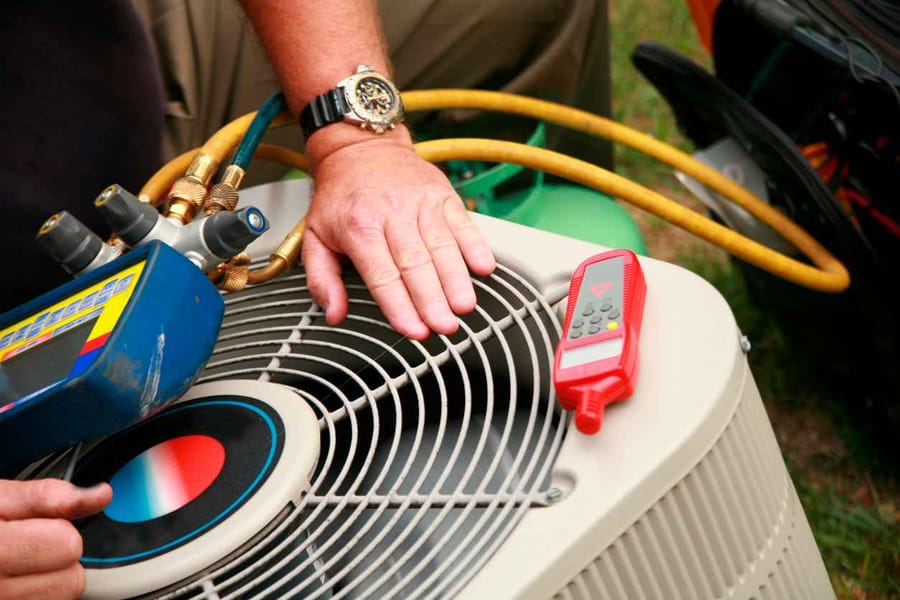
A dehumidifier may be useful when excessive indoor humidity is contributing to condensation around AC vents.
Your air conditioner removes some moisture as it cools the air, but certain homes may still struggle to maintain comfortable humidity levels.
This can happen when outdoor moisture enters the home, ventilation introduces substantial humidity, or the cooling system isn’t removing moisture effectively.
A whole-home dehumidifier works with the home’s indoor air system to remove additional moisture.
Potential benefits include:
- Helping maintain more consistent indoor humidity
- Reducing conditions that contribute to condensation
- Improving comfort during humid weather
- Supporting moisture control in frequently damp spaces
However, a dehumidifier should not be used as a substitute for repairing leaking ductwork, damaged insulation, or AC drainage problems.
If condensation is caused mainly by humid attic air reaching a cold duct boot, sealing and insulation repairs may be more important than adding dehumidification equipment.
A professional evaluation can help determine whether your home needs better humidity control, duct repairs, or both.
King of Home Solutions provides dehumidifier services for homeowners looking to improve indoor moisture control.
When Ductwork Needs Professional Inspection
A ductwork inspection is recommended when condensation repeatedly forms around AC vents or when visible moisture suggests a problem inside the duct system.
This is especially important when basic humidity and airflow checks don’t reveal the cause.
Consider scheduling an inspection if:
- Water repeatedly appears around the same ceiling vent.
- Multiple vents develop condensation.
- You notice damaged or wet duct insulation.
- The area around a register shows recurring water stains.
- The vent has weak airflow or unusual temperature differences.
- Moisture continues despite reasonable indoor humidity levels.
A technician can examine accessible duct connections, insulation, airflow, and possible air leakage.
Depending on the findings, repairs may involve sealing duct joints, correcting damaged insulation, repairing duct connections, or improving airflow.
Not every condensation problem requires replacing ductwork.
The most useful approach is identifying the specific source of the moisture before deciding on repairs.
How HVAC Technicians Diagnose Vent Condensation
A professional evaluation typically begins by determining whether the water is forming on a cold surface or coming from another source.
An HVAC technician may examine several parts of the system.
Indoor humidity measurements: Humidity and temperature readings help determine whether condensation is likely under current conditions.
Supply air temperatures: Measuring the temperature of air leaving the vents helps evaluate cooling performance.
Airflow measurements: The technician may check whether restricted or uneven airflow is contributing to the problem.
Duct insulation and connections: Visible duct sections and register boots can be inspected for gaps, damaged insulation, and air leakage.
Condensate drainage: The technician may inspect accessible drainage components to determine whether water is collecting or overflowing where it shouldn’t.
Cooling system performance: If necessary, the technician can evaluate the air handler, cooling coil, and related equipment for conditions affecting temperature and moisture removal.
These checks help distinguish a humidity-related condensation problem from a drainage issue, ductwork defect, or another source of moisture.
Once the cause is identified, repairs can focus on correcting the actual problem rather than simply treating the visible water.
AC Ductwork and Humidity Solutions in Nocatee
Nocatee homeowners are familiar with Florida’s warm temperatures and humid weather.
During periods of high humidity, cold AC vents can become vulnerable to condensation when excess indoor moisture, air leakage, or inadequate duct insulation is present.
Homes with ductwork running through hot attic spaces may face additional challenges, particularly when ceiling register connections are not properly sealed or insulated.
At King of Home Solutions, we help homeowners in Nocatee and surrounding St. Johns County communities identify issues affecting air conditioning performance and indoor comfort.
Our HVAC services include ductwork inspection and repair, along with indoor air quality solutions that can help address excess humidity.
Whether you’re seeing moisture around one ceiling vent or repeated condensation in several rooms, the right solution begins with finding the source.
You may need duct sealing, insulation improvements, airflow correction, or better indoor humidity control. In some cases, the problem may involve the AC drainage system instead.
Our team can evaluate the conditions and recommend practical next steps based on what your home needs.
If your AC vents continue to drip during humid weather, schedule an HVAC inspection before moisture causes further damage to surrounding materials.
FAQs About Water Dripping From AC Vents
Is it normal for AC vents to sweat during humid weather?
A little condensation can occur when a cold vent surface comes into contact with humid air. However, repeated dripping, ceiling stains, or persistent moisture should not be ignored. These symptoms may indicate excessive humidity, inadequate insulation, or air leakage.
Why is water dripping from my ceiling AC vent?
Water may be condensing on a cold register or duct connection. It may also be coming from an AC drainage problem, roof leak, or another source above the ceiling. An inspection can help determine whether the moisture is condensation or a separate leak.
Can high indoor humidity cause water around air vents?
Yes. When indoor air contains substantial moisture, condensation can develop on sufficiently cold surfaces. Improving humidity control may reduce the problem, but duct insulation and air leakage should also be checked when moisture keeps returning.
Can damaged duct insulation cause condensation?
Yes. Missing or damaged duct insulation can expose cold duct surfaces to warmer, humid surrounding air. Moisture may then collect on the duct or nearby materials. Professional insulation and duct repairs may be needed to prevent recurring condensation.
Will a dehumidifier stop water from dripping from AC vents?
A dehumidifier may help if elevated indoor humidity is a significant contributor. However, it won’t repair a leaking condensate drain, damaged duct insulation, or an improperly sealed register connection. The moisture source should be identified before selecting a solution.
When should I call an HVAC technician about a wet AC vent?
Call a technician if dripping continues, ceiling stains develop, insulation becomes wet, or the source of the water is unclear. Prompt inspection is especially important when moisture appears near electrical components or is damaging drywall.
Stop AC Vent Condensation Before It Causes More Damage
Water dripping from an AC vent may begin as a few small droplets, but recurring moisture can eventually affect the ceiling and surrounding materials.
If you’ve checked your indoor humidity, inspected the visible vent, and confirmed that airflow isn’t obviously blocked, yet the dripping continues, professional diagnosis is the next step.
At King of Home Solutions, we help Nocatee homeowners address HVAC airflow, ductwork, and indoor humidity concerns.
Whether the solution involves repairing a duct connection, improving insulation, or evaluating a dehumidification system, our team can help you determine what your home actually needs.
Contact King of Home Solutions or call 904-865-4663 to schedule HVAC service in Nocatee, FL.