Serving The Jacksonville Area

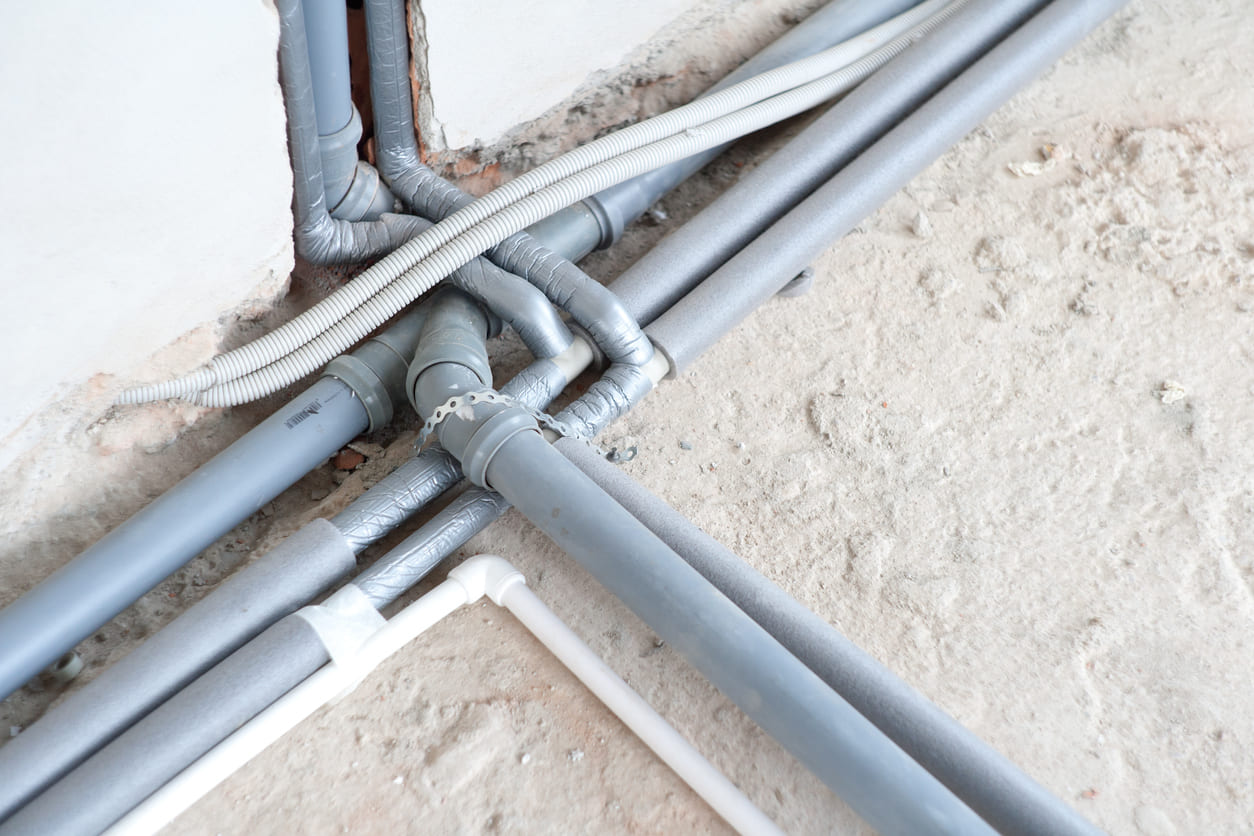
Repiping in Jacksonville, FL
Recurring leaks, rusty water, and weak pressure can point to more than one bad pipe. When problems keep appearing in different rooms, patching isolated failures may cost more without improving the condition of the overall plumbing system.
King of Home Solutions provides repiping in Jacksonville, FL, for homeowners who need planned replacement of aging, corroded, restricted, or unreliable water-supply lines.
A Better Plan for Failing Water Lines
Whole-home and partial repiping options
PEX and copper materials selected for the property
Planned routing through accessible walls, ceilings, attics, and utility areas
Pressure, flow, and fixture testing before completion
4.9 ⭐
Google Rating
BBB
Accredited Business
Locally-Owned & Operated
Same-Day Service Available
Proudly Serving the Jacksonville Area
5151-5 Sunbeam Road Jacksonville, FL 32257
Call 904-865-4663
RELIABLE REPIPING BACKED BY HAPPY CLIENTS
See how our dependable repiping services have helped local homeowners restore reliable hot water, comfort, and peace of mind.
When the Plumbing Problem Becomes System-Wide
One pipe leak may be a repair issue. A second or third leak elsewhere may signal that the same aging material is failing throughout the system.
Homeowners may also notice pressure weakening at several fixtures, hot water taking longer to arrive, or discolored water returning after repairs. These patterns can indicate corrosion, restricted pipe diameter, deteriorated fittings, or a distribution system that no longer serves the home reliably.
Repiping replaces multiple water-supply lines under one coordinated project. The plumber maps the system, selects new routes, connects fixtures, and tests the completed network.
The goal is not to replace more pipe than necessary. It is to determine whether the problem is isolated, limited to one section, or widespread enough that broader replacement offers better long-term value.
What a Residential Repipe Involves
Repiping replaces multiple hot and cold water lines serving sinks, toilets, showers, tubs, appliances, hose connections, and the water heater.
The project may involve one section or the full distribution system. Scope depends on pipe material, leak history, corrosion, pressure, fixture count, home layout, and the condition of lines that would remain.
A repiping project can include:
- Mapping existing fixtures and supply branches
- Identifying lines that should remain or be removed from service
- Selecting PEX, copper, or another approved material
- Planning routes through walls, ceilings, attics, closets, and utility spaces
- Installing new hot and cold water branches
- Connecting fixtures, appliances, valves, and the water heater
- Supporting and protecting new piping
- Managing temporary water shutoffs
- Pressure-testing the system
- Checking fixture flow and hot-water delivery
- Clarifying drywall, paint, tile, and finish restoration
Signs the Home May Need More Than Another Pipe Repair
Leaks Keep Appearing in Unrelated Rooms
A leak below one sink may be isolated. Leaks behind a bathroom wall, near the water heater, and above a kitchen ceiling within a short period suggest a broader condition.Pressure Has Declined Across Several Fixtures
Corrosion and mineral buildup can narrow older pipes, reducing flow.
Pressure may drop sharply when a shower, washing machine, or second fixture starts. Utility pressure, regulators, valves, and fixtures should also be checked before repiping is recommended.
Discolored Water Appears From Hot and Cold Taps
Brown, yellow, or reddish water from multiple fixtures may be connected to pipe corrosion.Exposed Pipes Show Corrosion or Deposits
Green staining, rust, flaking metal, white buildup, and damp fittings can show that visible sections are deteriorating.Repairs Require Frequent Water Shutoffs
Repeated emergency repairs can disrupt showers, cooking, laundry, and daily routines.
A planned repipe allows water interruptions, access, and fixture sequencing to be discussed before another leak forces a rushed decision.
Flow Changes Dramatically When Another Fixture Opens
Some pressure change is normal. Severe drops may indicate restricted branches, poor sizing, aging valves, or a system that cannot support normal simultaneous use.The Home Has Mixed or Problematic Pipe Materials
Older homes and renovated properties may contain several generations of piping.
Why Water-Supply Systems Lose Reliability
Internal and External Corrosion
Metal piping can deteriorate because of age, water chemistry, electrical conditions, moisture exposure, and contact with other materials.
High or Unstable Pressure
Excessive pressure stresses pipes, fittings, shutoff valves, appliance hoses, and fixture connections.
A repipe may replace damaged lines, but the pressure problem still needs correction.
Aging Joints and Previous Repairs
Older fittings, patched sections, and previous repairs can become weak points as the surrounding plumbing continues to age. Multiple repairs across different areas may also indicate broader system deterioration.
Heat Expansion and Building Movement
Hot-water lines expand and contract. Framing movement, vibration, and settlement can also stress concealed piping.
Jacksonville Installation Conditions
Homes in Northeast Florida may route pipes through warm attics, garages, exterior walls, slabs, additions, and compact utility spaces.
How King of Home Solutions Plans and Completes Repiping
Review the Plumbing History
The plumber discusses leak locations, repairs, pressure concerns, discoloration, remodels, and fixture performance.
Accessible pipes, valves, and connections are inspected to identify materials and problem areas.
Map Fixtures and Branch Lines
Each bathroom, kitchen, appliance, hose connection, and water-heater connection is considered.
This helps determine branch count, line sizes, route options, and shutoff needs.
Define the Project Scope
The plumber compares partial and whole-home replacement based on documented conditions.
The scope identifies which lines will be replaced, which may remain, and where old piping will be disconnected or abandoned.
Select Material and Routing
PEX and copper have different installation characteristics.
New piping may travel through attics, ceilings, walls, closets, or utility spaces when practical.
Prepare the Occupied Home
Furniture, artwork, electronics, and stored items may need to be moved from planned openings.
The team explains affected rooms, water interruptions, and whether work can be staged to restore certain fixtures as sections are completed.
Install New Hot and Cold Lines
New piping is routed, supported, protected, and connected to fixtures and equipment included in the scope.
Old branches are removed from service as the replacement network becomes operational.
Test the Completed System
The system is repressurized and accessible joints are checked.
Testing may include shutoff-valve operation, fixture flow, hot and cold delivery, pressure at several locations, water-heater connections, and meter behavior.
Confirm Finish Responsibilities
Drywall, paint, insulation, tile, cabinetry, and specialty surfaces may require separate restoration.
The homeowner should know what patching and cleanup are included before work begins.
Partial Repipe or Whole-Home Replacement?
A partial repipe replaces a defined group of branches while leaving the rest of the system in service.
Examples include:
- Replacing only hot-water lines
- Repiping one remodeled addition
- Replacing galvanized sections while newer PEX remains
- Rerouting several under-slab branches overhead
- Replacing plumbing serving one wing
A whole-home repipe replaces most or all interior supply lines under one plan.
Partial Repiping May Fit When:
- The failing material is limited to one area
- Other branches are newer and serviceable
- Leak history is concentrated in one section
- Pressure and water quality remain normal elsewhere
- The new section can connect reliably to existing plumbing
Whole-Home Repiping May Fit When:
- Leaks occur across several branches
- The same deteriorating material runs throughout the property
- Corrosion restricts flow at many fixtures
- Repeated repairs require frequent openings
- Remaining lines would be difficult to reach later
- One planned project provides better long-term value
Call 904-865-4663 to request a plumbing-system assessment before paying for another isolated repair.
PEX or Copper: Which Material Fits the Project?
PEX Considerations
PEX is flexible and can often be routed through walls, ceilings, and attics with fewer fittings than rigid pipe.
Its flexibility can help in complex layouts. It still requires proper support, protection, sizing, and installation.
Copper Considerations
Copper is rigid, durable, and has a long history in residential plumbing.
Complex routes may require more fittings and labor. Water chemistry, material contact, and installation conditions should be considered.
Neither material is best for every home. Layout, access, budget, local conditions, and homeowner preference should guide the decision.
What Homeowners Should Expect During the Project
Repiping affects several rooms, but a clear work plan can reduce confusion.
Before installation begins, the project scope should identify the rooms involved, planned pipe routes, expected shutoff periods, material choice, fixture connections, testing steps, and finish repairs. This gives the household a practical schedule and reduces uncertainty while crews move through occupied areas each day.
Water may be shut off for portions of the day while branches are connected and tested. When practical, work may be staged so one bathroom or essential fixture remains available.
Small access openings may be made near fixture groups and route changes. Work areas should be protected, but some dust and debris are possible.
Before the project begins, homeowners should:
- Move furniture and fragile belongings from access areas
- Remove items from cabinets below sinks
- Keep pets and children away from work zones
- Plan around temporary water interruptions
- Identify essential medical or household water needs
- Confirm which finish repairs are included
- Keep an adult decision-maker available
What Repiping Will Not Automatically Fix
Low Pressure From the Utility or Regulator
New interior piping cannot increase inadequate municipal pressure or repair a failing regulator.
Drain and Sewer Problems
Repiping replaces pressurized water lines. It does not clear drains, repair sewer piping, or stop wastewater backups.
Existing Water Damage
Replacing plumbing prevents future leakage from renewed lines. It does not restore damaged drywall, flooring, cabinets, insulation, or mold-affected materials.
Fixture and Appliance Defects
New supply lines will not repair a clogged showerhead, worn faucet, failing toilet valve, or malfunctioning appliance.
For example, a homeowner in Jacksonville Beach may complete a repipe but still have weak flow at one shower because the showerhead is scaled. The new system improves delivery, while the fixture still needs service.
Repiping Jacksonville-Area Homes
Jacksonville includes older homes with galvanized or aging copper lines, remodeled properties with mixed materials, and newer houses where only one section may be vulnerable.
King of Home Solutions serves nearby communities, including:
- St. Nicholas
- Springfield
- Jacksonville Beach
- Fruit Cove
Residential repiping is available throughout Duval, Clay, and St. Johns counties.
Why Jacksonville Homeowners Trust Our Repiping Team
Homeowners choose King of Home Solutions for:
- Experienced, licensed residential plumbers
- Targeted repiping or complete plumbing system replacement
- Copper and PEX options with clear recommendations
- Detailed planning for fixtures, branches, and access points
- Coordinated shutoffs with pressure, flow, and fixture testing
- Upfront pricing, qualified financing, and clear restoration boundaries
- Jacksonville-based service backed by a 4.9 Google rating
The goal is to provide a well-planned repiping solution that improves water flow, reduces leak risks, and supports reliable plumbing throughout the home.
Related Services

Mini Split Repair
Fast, Targeted Repairs for Your Mini Split System
Mini split systems offer reliable comfort, but when something goes wrong, a fast and accurate repair is essential.

AC Installation
Expert AC Installation for Lasting Comfort in Your Home
A dependable air conditioning system is key to staying comfortable during Jacksonville’s long, hot summers—and when it’s time for an upgrade, you need a team you can rely on.
Heat Pump Installation
Efficient Heat Pump Installation Backed by Local Expertise
An efficient heat pump system is essential for keeping your home comfortable year-round, and proper installation is the foundation of its performance.
HVAC
Your One-Stop Source for Heating, Cooling, and Air Quality Solutions
Keeping your home comfortable year-round requires more than just heating and cooling—it takes expert care, responsive service, and reliable HVAC solutions.

Frequently Asked Questions

Replace the Plumbing System, Not Just the Next Leak
When plumbing deterioration is widespread, repiping can replace repeated isolated repairs with one coordinated plan for the home's water-supply system. King of Home Solutions helps Jacksonville homeowners determine the right scope, compare materials, prepare for access, and test the completed plumbing before normal service resumes. Call 904-865-4663 or schedule online to plan a partial or whole-home repipe.