Serving The Jacksonville Area

Water Heater Installation in Jacksonville, FL
A new water heater should do more than simply replace outdated equipment. It should provide enough hot water for the household, fit the available space, work with the home's utilities, and support reliable daily use.
King of Home Solutions provides professional water heater installation in Jacksonville, FL, for homeowners replacing failed equipment, increasing capacity, upgrading to tankless, or planning for a remodeled space. Every recommendation is based on the property, household demand, and installation requirements rather than simply matching the previous unit.
Professional Installation Built Around Your Home
Tank and tankless water heater options
System sizing based on actual hot water demand
Careful removal of existing equipment
Complete startup, safety, and performance testing
4.9 ⭐
Google Rating
BBB
Accredited Business
Locally-Owned & Operated
Same-Day Service Available
Proudly Serving the Jacksonville Area
5151-5 Sunbeam Road Jacksonville, FL 32257
Call 904-865-4663
Reliable Water Heater Installations Backed by Happy Clients
See how our dependable water heater installation solutions have helped local customers stay cool, comfortable, and confident.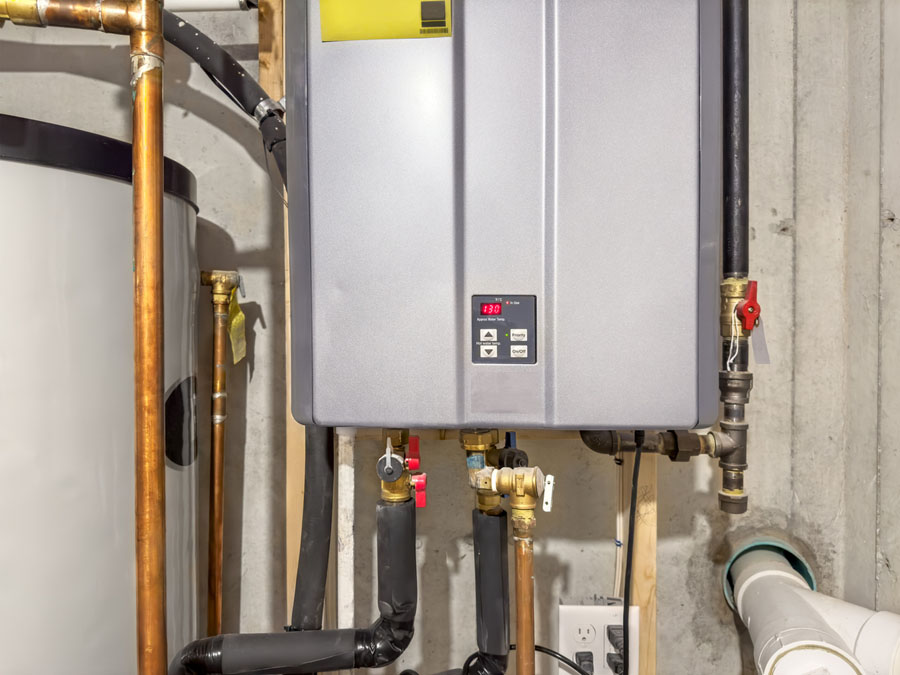

When the Old Water Heater No Longer Fits the Home
A water heater does not always stop working without warning. Many problems begin with smaller changes that become easier to notice over time.
A shower may turn cold several minutes earlier than usual. The water may take longer to warm up in the morning. A tank in the garage may begin making a low rumbling sound, or a small wet area may appear near one of its connections.
These symptoms can come from several different problems. A failed heating element, worn thermostat, loose valve, burner issue, sediment buildup, or deteriorating tank can all affect hot water performance. Because the symptoms often overlap, replacing a part without testing the system can waste time and money.
Water heater repair begins with a proper diagnosis. Our team checks the components connected to the problem and looks at the overall condition of the system. Once the issue is clear, we explain what can be repaired and whether that repair is likely to provide dependable results.
What Professional Water Heater Installation Involves
Water heater installation includes selecting appropriate equipment, removing the existing unit when necessary, completing the required connections, and confirming that the new system operates correctly.
The project may be a straightforward replacement in the same location or a more involved upgrade. Converting from a storage tank to tankless equipment, changing fuel types, relocating a unit, or serving a new bathroom can require additional plumbing, gas, electrical, venting, drainage, or structural preparation.
A professional installation typically includes:
- Reviewing the household’s hot water needs
- Inspecting the current equipment and installation area
- Confirming plumbing, electrical, gas, and venting compatibility
- Recommending an appropriate tank size or tankless flow rate
- Disconnecting and removing the existing water heater
- Installing and securing the new equipment
- Connecting water, energy, venting, and safety components
- Starting and testing the completed system
- Checking accessible connections for leaks
- Explaining basic controls and care requirements
The purpose is not only to make the unit produce hot water. The system should be suitable for the home, installed with prop
Signs It May Be Time for a New Water Heater
Water Is Leaking From the Tank
Moisture around a valve or connection may be repairable. Water escaping through the tank body, lower seam, or corroded shell usually indicates structural failure.
A damaged tank cannot be restored by replacing an external component. Prompt replacement can help limit damage to garage flooring, drywall, baseboards, stored belongings, or nearby equipment.
Hot Water Demand Has Increased
A tank that served two people may struggle after a family grows, relatives move in, or another bathroom is added.
Scheduling showers around laundry and dishwasher use can be a sign that the current capacity no longer matches the household. A new installation provides an opportunity to size the system for present demand instead of continuing to work around shortages.
The Unit Requires Frequent Repairs
A single failed thermostat or heating element does not always justify replacement. Repeated failures involving controls, burners, valves, leaks, or electrical components deserve a broader evaluation.
When repair costs continue to accumulate, installing dependable new equipment may offer better value than maintaining an unreliable system.
Rust Is Spreading Around the Base or Connections
Surface discoloration does not always mean a tank has failed, but increasing corrosion around seams, fittings, or the lower portion of the unit should not be ignored.
A professional inspection can determine whether the issue is limited to an external connection or reflects more advanced deterioration.
The System Cannot Maintain Consistent Performance
Long recovery times, declining hot water volume, and repeated temperature changes may be caused by repairable parts. They may also indicate that the water heater is nearing the end of practical service.
When the system no longer performs reliably even after reasonable maintenance or repairs, replacement becomes a stronger option.
A Remodeling Project Changes Household Demand
A bathroom addition, larger shower, soaking tub, accessory living space, or redesigned laundry area can change how much hot water the home needs.
The water heater should be evaluated as part of the remodeling plan rather than after the new fixtures are already in use.
The Homeowner Wants a Different System Type
Some homeowners choose installation before complete failure because they want to reclaim floor space, move to on-demand heating, or prepare for future household changes.
A planned upgrade allows more time to compare equipment and installation requirements instead of making a rushed decision after a leak or loss of hot water.
What Affects the Installation Plan?
Household Hot Water Use
The correct system depends on peak demand, not simply average daily use. Several morning showers, a dishwasher, laundry equipment, and high-flow fixtures may place demand on the system at the same time.
Tank capacity or tankless flow rate should be selected with those busiest periods in mind.
Available Utilities
Gas and electric water heaters have different requirements. A replacement using the same energy source may be relatively straightforward, while changing fuel types can involve additional work.
Tankless systems may also require upgraded gas supply, electrical capacity, dedicated circuits, or new venting depending on the selected model.
Equipment Location
A garage may provide more working room than an interior closet, but it can also expose equipment to stored items, heat, and unnoticed moisture.
Closet installations require careful attention to dimensions, drainage, ventilation, door clearance, and future service access.
Existing Plumbing and Connections
Aging valves, corroded fittings, damaged piping, or limited drainage protection may need attention during the project.
The existing setup should be inspected before the final installation scope is confirmed.
Current and Future Household Needs
The most suitable equipment should support how the home is used today while accounting for reasonable future changes.
A household expecting more occupants or a planned bathroom addition may benefit from considering those needs before selecting a replacement.
Our Water Heater Installation Process
Assess the Home and Household
The process begins with a conversation about hot water use, current problems, household size, fixture demand, and future plans.
The technician also examines the installation area, existing connections, utilities, drainage, and service access.
Recommend Suitable Options
Based on the assessment, homeowners receive equipment options that fit the property and expected demand.
The discussion may include:
- Traditional tank capacity
- Tankless flow rate
- Gas or electric compatibility
- Available installation space
- Upfront project requirements
- Expected household performance
- Ongoing maintenance considerations
The goal is to narrow the choices to systems that can realistically serve the home.
Confirm the Project Scope
Before installation, the homeowner should understand the selected equipment and the work required to install it.
The scope may include:
- Equipment and standard connections
- Removal of the old water heater
- Required plumbing changes
- Venting or energy-supply updates
- Drainage or mounting needs
- Permit or inspection requirements when applicable
- Financing options for qualified projects
Any conditions that may affect the work should be explained before installation begins.
Remove the Existing Unit
For replacement projects, the old equipment is shut down, drained, disconnected, and removed carefully.
Once the unit is out of the way, the area can be checked for moisture, corrosion, damaged connections, or concealed conditions that need attention.
Install the New Water Heater
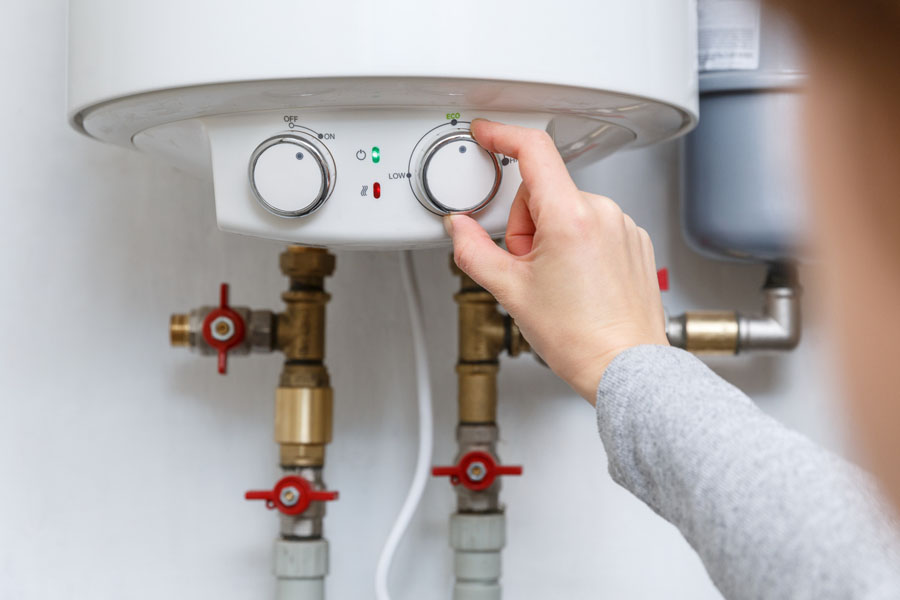
The selected equipment is placed securely and connected to the home’s water supply and applicable energy source.
Tankless installations may also involve wall mounting, specialized venting, condensate drainage, controls, and utility modifications.
Test the Completed System
The water heater is started and tested before the project is completed.
Testing may include:
- Leak checks
- Water temperature
- Heating or burner operation
- Venting performance
- Tankless flow response
- Controls and error-code review
- Safety and shutoff components
The homeowner is then shown the main controls and receives basic guidance on operation and maintenance.
Traditional Tank or Tankless Water Heater?
The right choice depends on household habits, space, available utilities, installation scope, and budget. Neither system is automatically best for every home.
A Traditional Tank May Be Appropriate When:
- The home already has a compatible tank setup
- A familiar, straightforward replacement is preferred
- Stored hot water suits the household’s routine
- Floor space is available
- Existing gas or electrical service supports the selected unit
- Predictable project scope is a priority
Storage tanks are available in multiple capacities. Correct sizing remains important because an undersized model can still run out during busy periods.
A Tankless System May Be Appropriate When:
- The homeowner wants on-demand water heating
- Available floor space is limited
- Long periods of hot water use are common
- The home can support the required gas or electrical demand
- The household understands that conversion work may be necessary
- The unit can be sized for expected simultaneous fixture use
Tankless water heaters do not provide unlimited output. Each model has a specific flow capacity.
For example, a system may support one shower and a sink comfortably but lose temperature when multiple showers, laundry equipment, and other fixtures operate together. Flow rate and temperature rise must be calculated before equipment is selected.
Questions Worth Asking Before Choosing
- How many fixtures may run at the same time?
- Does the home support the proposed equipment?
- Is storage capacity or floor space more important?
- Would a tankless conversion require utility upgrades?
- What maintenance does each option require?
- Is the household likely to grow?
- How does the complete installation scope compare?
These questions help homeowners compare real project requirements rather than relying only on general claims about efficiency or convenience.
What a New Water Heater Cannot Fix
New equipment can improve hot water reliability, but it will not correct every plumbing concern.
Low Pressure Throughout the Home
A new water heater will not repair restricted piping, low incoming pressure, a failing pressure regulator, or another whole-home flow issue.
Those conditions require separate plumbing diagnosis.
Long Waits at Distant Fixtures
Installing a larger tank does not necessarily make hot water reach a far bathroom faster. The wait may be caused by the distance between the heater and fixture or by the plumbing layout.
Recirculation or piping changes may need to be discussed separately.
Water Quality Problems From Another Source
Odor, staining, discoloration, or mineral concerns may begin in the water supply or household piping.
Replacing the water heater will not automatically correct a problem located elsewhere.
Demand Beyond the System’s Capacity
New equipment can still fall short when it is undersized.
Consider a St. Johns County household that adds a second primary bathroom with a large shower and soaking tub. Installing the same-size tank used before the remodel may leave the family with the same hot water shortages. The installation plan must account for the additional fixtures and peak demand.
Water Heater Installation for Jacksonville-Area Homes
Homes across Northeast Florida vary widely in age, layout, utility setup, and equipment location.
Many Jacksonville water heaters are located in attached garages. These areas often provide practical access but may also be crowded with storage. Keeping valves, controls, and service panels accessible helps protect the equipment and makes future maintenance easier.
Interior closets require a different approach. Equipment dimensions, ventilation, drainage, doorway clearance, and service access may limit the systems that fit comfortably.
Newer homes in Nocatee and St. Johns may have multiple bathrooms, larger fixtures, or existing tankless equipment. Older properties in Duval County may have aging electric tanks, corroded connections, or installation areas that need updates before new equipment is added.
Homes in Ponte Vedra and other near-coastal communities may also expose garage or exterior-adjacent equipment to humid or salt-influenced air. Proper connections, accessible components, and regular visual checks remain important.
King of Home Solutions serves residential properties throughout Jacksonville and communities across Clay, Duval, and St. Johns counties.
Prepare for Installation Day
A few simple steps can help the appointment move more smoothly:
- Clear a safe path to the water heater.
- Remove boxes and stored items from the work area.
- Keep pets and children away from the installation space.
- Note recent hot water problems or unusual sounds.
- Make sure an adult decision-maker is available.
- Plan for a temporary interruption to the home’s water supply.
The installation team will explain any additional preparation based on the equipment location and project scope.
Why Choose King of Home Solutions?
Water heater installation affects plumbing, electrical or gas connections, safety components, and daily household comfort. The work should be completed by a team prepared to evaluate the entire setup.
King of Home Solutions offers:
- Licensed residential plumbing service
- Tank and tankless installation options
- A. O. Smith and Rinnai equipment choices
- Recommendations based on household demand
- Clear project explanations before work begins
- Removal of existing water heater equipment
- Startup and performance testing
- Financing options for qualified homeowners
- Local service across Duval, Clay, and St. Johns counties
Our residential focus means the installation is planned around occupied homes, family routines, property protection, and long-term use.
Related Services
Heating Maintenance
Preventative Heating Maintenance for Worry-Free Comfort
A well-maintained heating system is the key to staying warm, safe, and energy-efficient through the cooler months.

Heating
Expert Heating Solutions Built for Jacksonville Homes
A properly functioning heating system is essential for home comfort when temperatures drop, and having the right team on your side makes all the difference.
Ductless
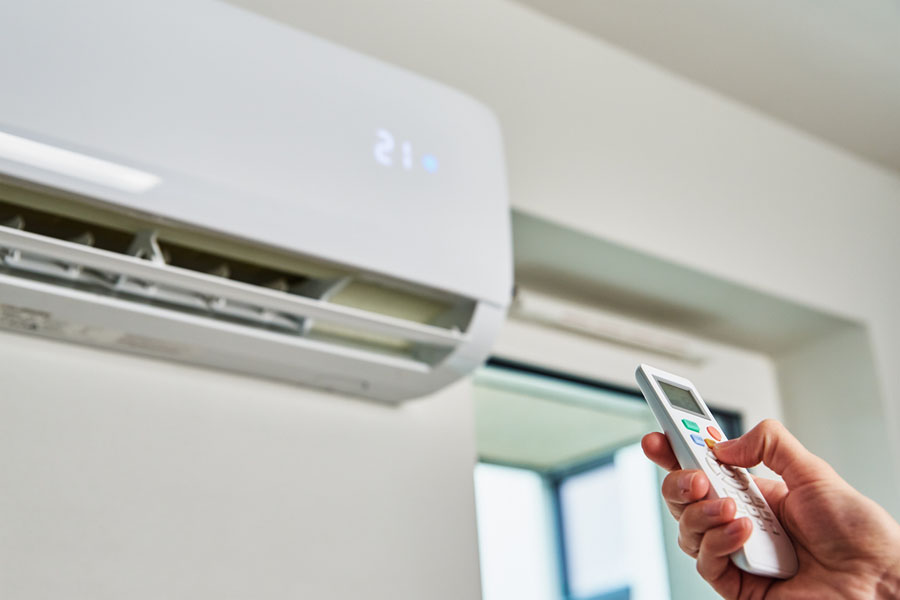
Flexible Heating and Cooling With Ductless Mini-Split Systems
Ductless HVAC systems are a smart solution for homeowners who want customizable comfort without the need for traditional ductwork.
Thermostats
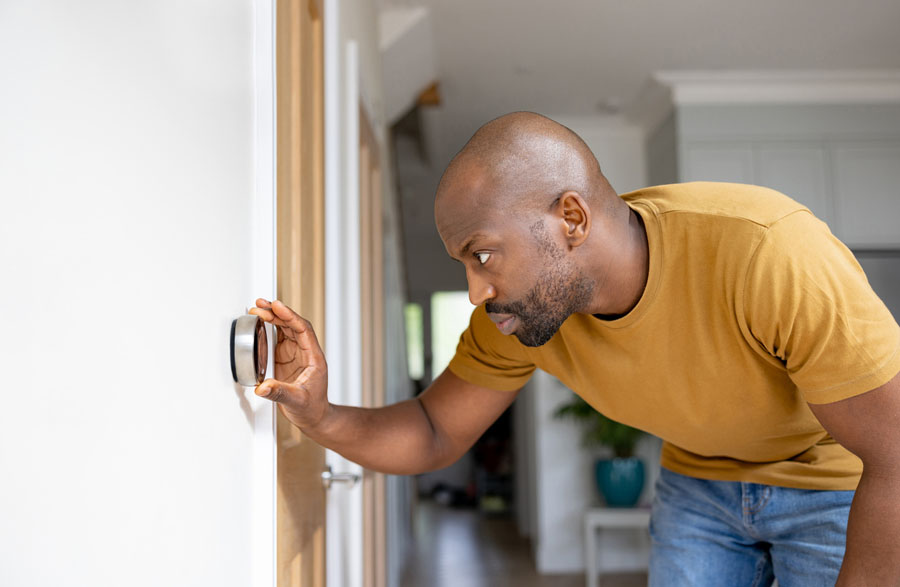
Your thermostat is the control center for your home’s heating and cooling.

Frequently Asked Questions

Start With the Right Water Heater Plan
A dependable hot water system begins with proper selection and installation. Capacity, system type, available utilities, household demand, and equipment location all affect how well the new water heater will serve the home. King of Home Solutions helps Jacksonville homeowners compare practical options and move forward with equipment selected for the way their household actually uses hot water. Call 904-865-4663 or schedule online to arrange a water heater sizing and installation assessment.