Serving The Jacksonville Area



Jacksonville Garage Door Pricing Guide 2026: Standard vs. Hurricane-Rated
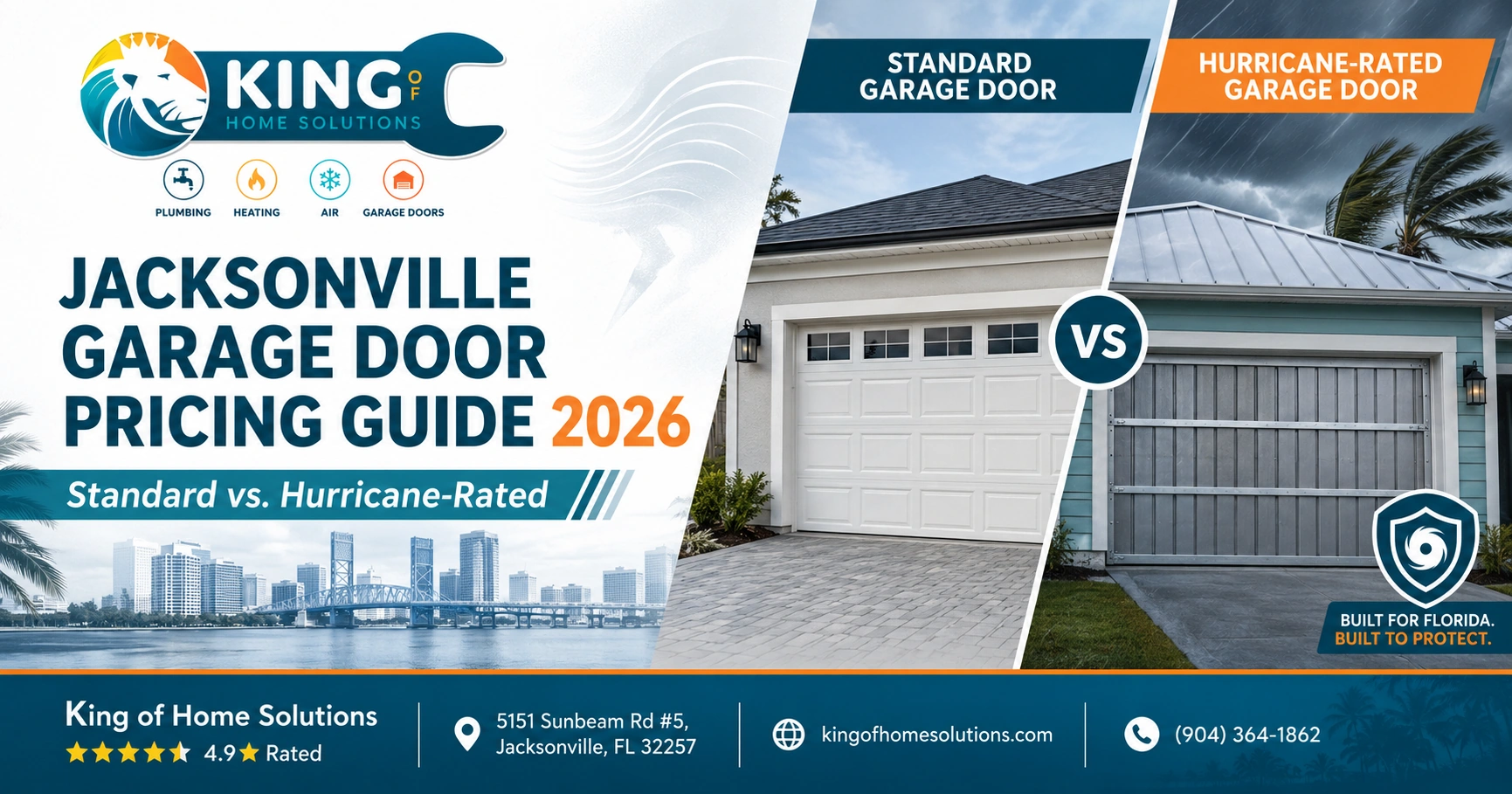
Jacksonville Garage Door Pricing Guide 2026: Standard vs. Hurricane-Rated
You don’t usually think much about your garage door…
Until it starts making that sound.
The grinding. The shaking. The slow uneven movement that suddenly makes you wonder:
“How much is this thing going to cost me?”
For many Jacksonville homeowners, garage door replacement starts with a small annoyance.
Maybe the door no longer seals properly. Maybe the opener strains every time it lifts. Maybe rust is starting to show near the bottom panels.
Or maybe a recent storm season made you realize something more serious:
Your current garage door may not be rated to handle hurricane-force winds.
Need a hurricane-rated garage door in Jacksonville?
Compare 2026 pricing, storm protection, and long-term value before you buy.
And in Florida, that matters more than most homeowners realize.
Because garage doors aren’t just about convenience anymore.
They’ve become part of your home’s:
- Storm protection
- Insurance considerations
- Energy efficiency
- Curb appeal
- Structural safety
That’s why one of the biggest decisions Jacksonville homeowners face in 2026 is this:
Should you install a standard garage door or upgrade to a hurricane-rated system?
And naturally, the next question becomes:
“How much more does a hurricane-rated garage door actually cost?”
The answer depends on several factors.
Because garage door pricing isn’t just about the door itself.
It also depends on:
- Wind-load requirements
- Home location
- Door size
- Material selection
- Insulation level
- Reinforcement systems
- Opener compatibility
- Installation complexity
And in coastal areas near Jacksonville beaches, hurricane-rated requirements can dramatically affect both pricing and installation standards.
Why Hurricane-Rated Garage Doors Matter in Florida
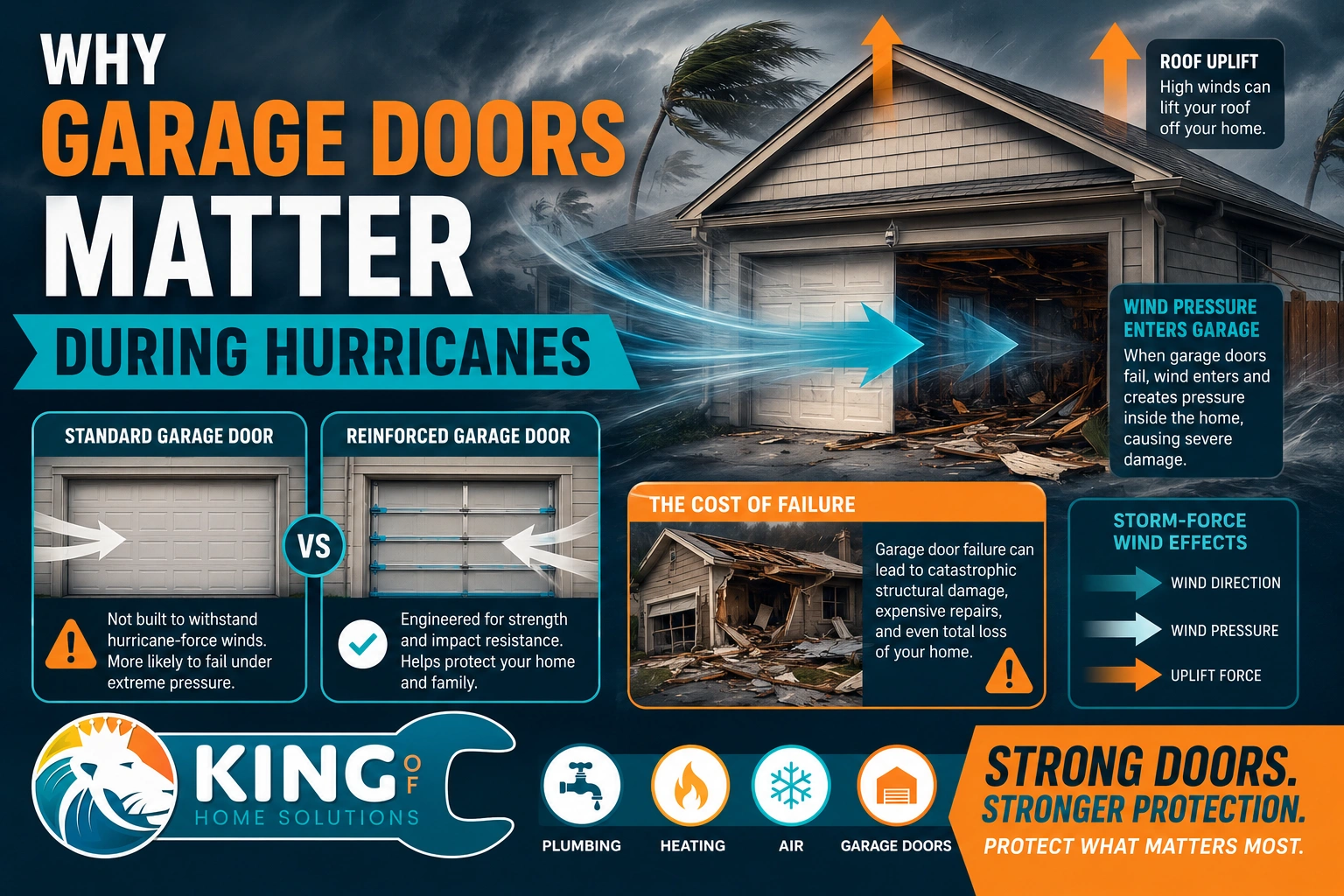
Many homeowners underestimate how important garage doors are during major storms.
But the garage door is often one of the largest and weakest openings on the home.
If high winds breach the garage door, pressure inside the home can increase dramatically.
That pressure can contribute to:
- Roof damage
- Structural failure
- Broken windows
- Water intrusion
- Major interior damage
That’s why Florida building codes place heavy emphasis on wind-rated garage door systems.
Especially in coastal and high-wind regions around Jacksonville.
What’s the Difference Between Standard and Hurricane-Rated Garage Doors?
At first glance, many garage doors look similar.
But structurally, there can be major differences.
Standard Garage Doors
Standard garage doors are designed primarily for:
- Everyday use
- Basic security
- General durability
- Curb appeal
While some standard doors are well-built, they may not meet Florida’s higher wind-load requirements.
Especially in coastal zones.
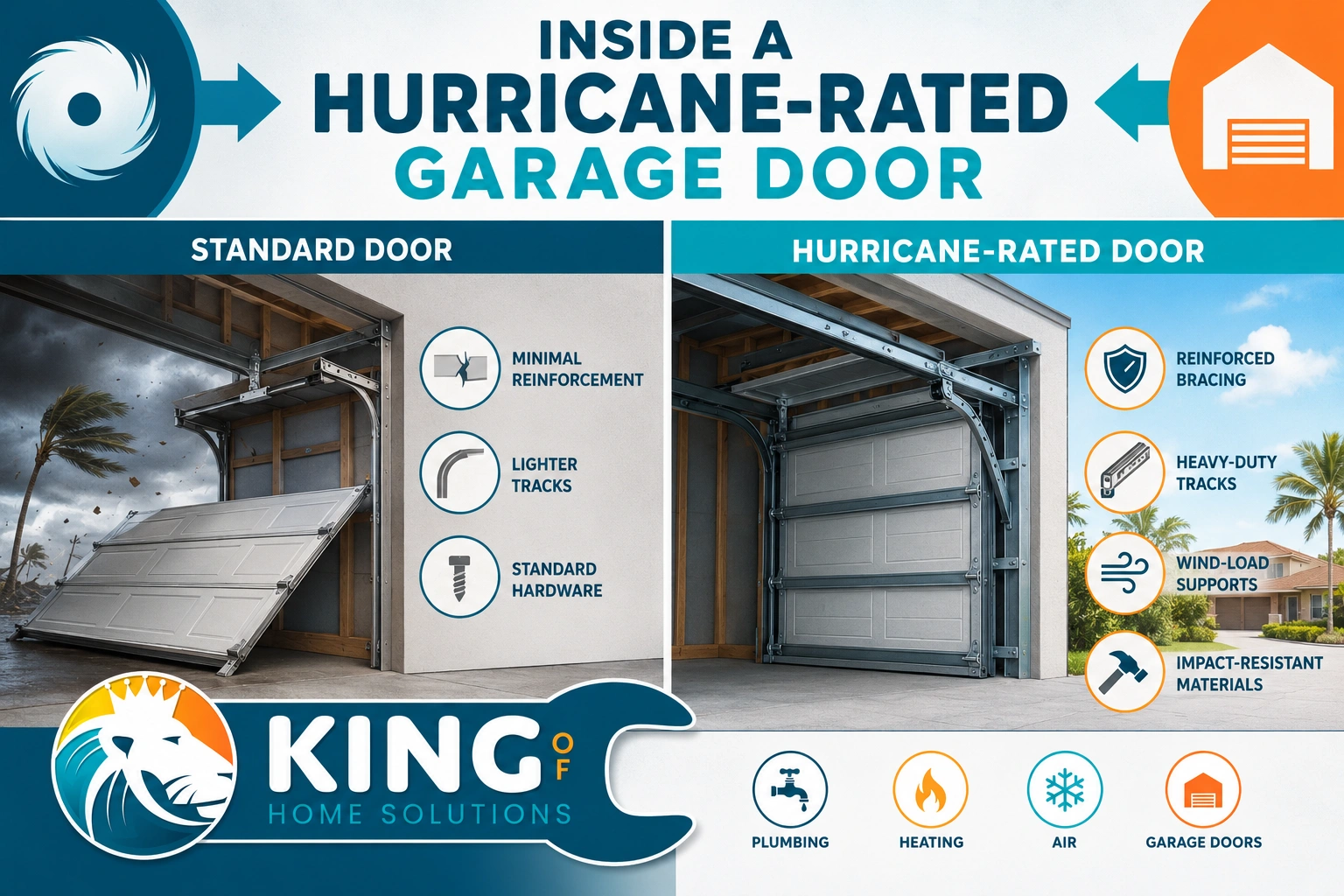
Hurricane-Rated Garage Doors
Hurricane-rated systems are engineered specifically to withstand:
- High wind pressure
- Flying debris impacts
- Structural flexing during storms
- Florida code requirements
These doors often include:
- Reinforced steel bracing
- Heavy-duty track systems
- Stronger mounting hardware
- Impact-rated materials
- Wind-load engineering certifications
And all of those upgrades affect pricing.
Jacksonville Garage Door Pricing in 2026
No reputable garage door company should quote pricing without evaluating the home first.
That said, homeowners can usually expect pricing differences based on:
- Door size
- Single vs double-car garage
- Wind-load requirements
- Material type
- Insulation package
- Decorative upgrades
- Smart opener systems
- Permit requirements
Realistic Garage Door Cost Ranges
| Garage Door Type | Typical Jacksonville Price Range |
| Standard single garage door | Often $1,200–$2,500 |
| Standard double garage door | Often $2,000–$4,500 |
| Hurricane-rated single garage door | Often $2,500–$5,000 |
| Hurricane-rated double garage door | Often $4,000–$8,500+ |
| Custom hurricane-rated systems | Often $8,000–$15,000+ |
These ranges usually include:
- Door installation
- Basic track systems
- Standard hardware
- Removal of old door
But homeowners should understand:
Additional upgrades can significantly affect final pricing.
Best Garage Door Brands for Florida Hurricane Compliance (Miami-Dade Standards)
If you live in Florida, your garage door isn’t just a convenience feature. It’s one of the largest and most…
Read The BlogWhy Hurricane-Rated Doors Cost More
Many homeowners initially experience sticker shock when comparing standard and hurricane-rated systems.
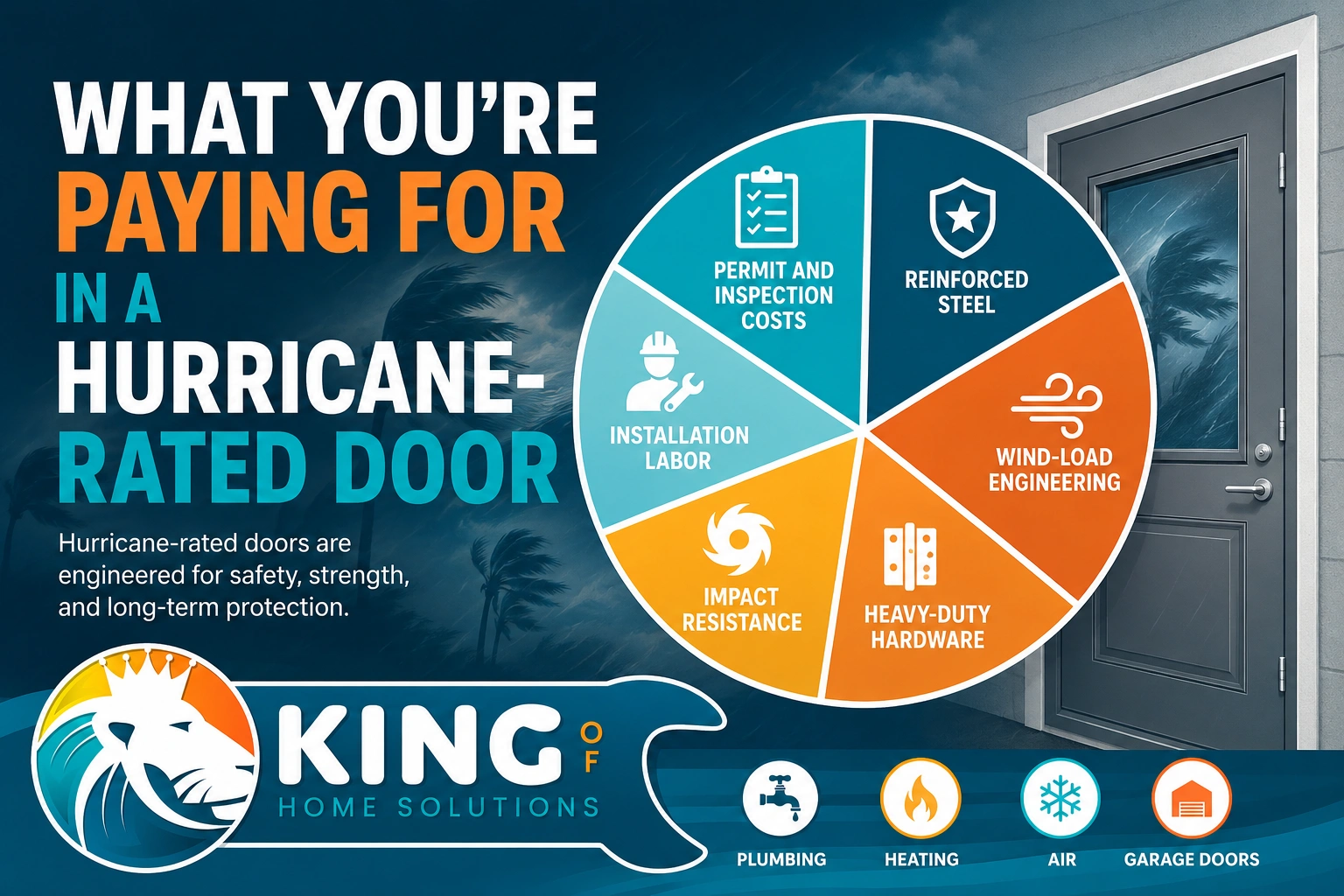
But the added cost comes from several legitimate structural upgrades.
-
Reinforced Construction
Hurricane-rated doors are built stronger.
That means:
- Heavier materials
- Internal reinforcement systems
- Stronger tracks
- Enhanced mounting hardware
All of which increase manufacturing and installation costs.
-
Wind-Load Engineering Requirements
Florida building codes are strict.
Especially in coastal or high-wind regions.
Garage doors often must meet specific wind-load certifications based on:
- ZIP code
- Exposure category
- Home design
- Local code requirements
Engineering and testing add to the overall product cost.
-
Impact Resistance
Some hurricane-rated systems are designed to withstand flying debris.
That may include:
- Reinforced panels
- Heavier gauge steel
- Impact-rated windows
- Stronger framing systems
These upgrades improve protection but also increase pricing.
Does Your Jacksonville Home Actually Need a Hurricane-Rated Garage Door?
In many cases, yes.
Especially if:
- Your home is near the coast
- You’re replacing an older non-compliant door
- Local code requires wind-rated systems
- Your insurance company incentivizes storm protection
- You want better structural security during storms
Some homeowners are surprised to learn that code requirements may not allow a standard door replacement in certain situations.
Especially during full garage door replacement projects.
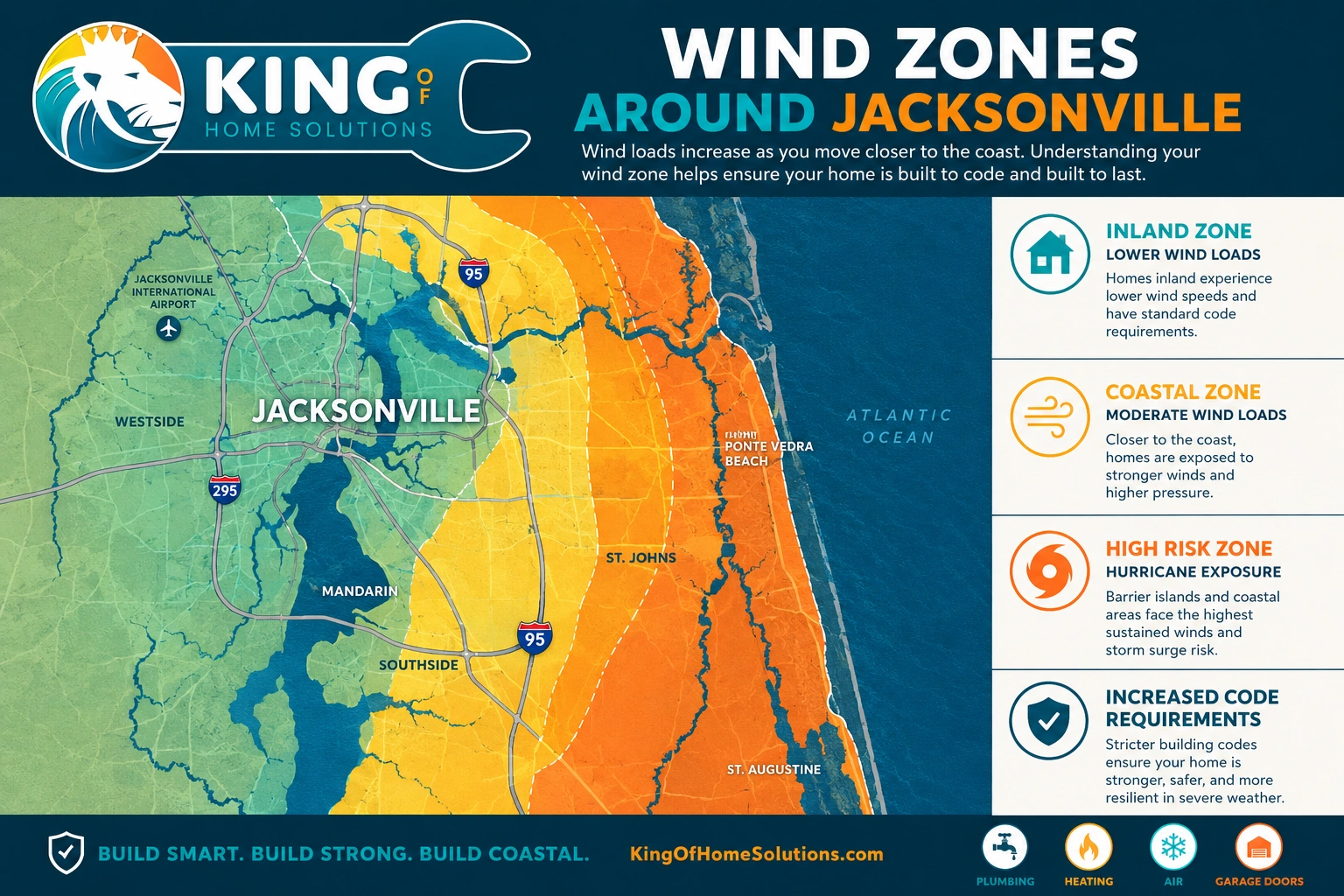
Coastal Areas Usually Have Stricter Requirements
Homes closer to Jacksonville Beach, Neptune Beach, Atlantic Beach, and Ponte Vedra often face stricter wind-load standards.
Why?
Because these homes experience:
- Higher storm exposure
- Stronger wind speeds
- Increased salt-air corrosion
- More severe hurricane risk
That means garage door systems may require:
- Stronger hardware
- Additional bracing
- Higher-rated assemblies
- Corrosion-resistant materials
Which increases overall project costs.
Hidden Costs Homeowners Don’t Expect
The garage door itself is only part of the project.
Additional costs can include:
- Opener replacement
- Electrical upgrades
- Structural framing repair
- Permit fees
- Disposal fees
- Reinforcement modifications
- Smart garage integration
- Window upgrades
Older homes sometimes require framing adjustments to safely support modern hurricane-rated systems.
That can increase labor significantly.
Insulated Garage Doors vs Non-Insulated
This is another major pricing factor homeowners overlook.
Insulated garage doors generally cost more upfront.
But they can improve:
- Energy efficiency
- Noise reduction
- Interior comfort
- Door durability
Especially in Florida’s heat.
For attached garages, insulation often becomes more valuable than homeowners initially expect.
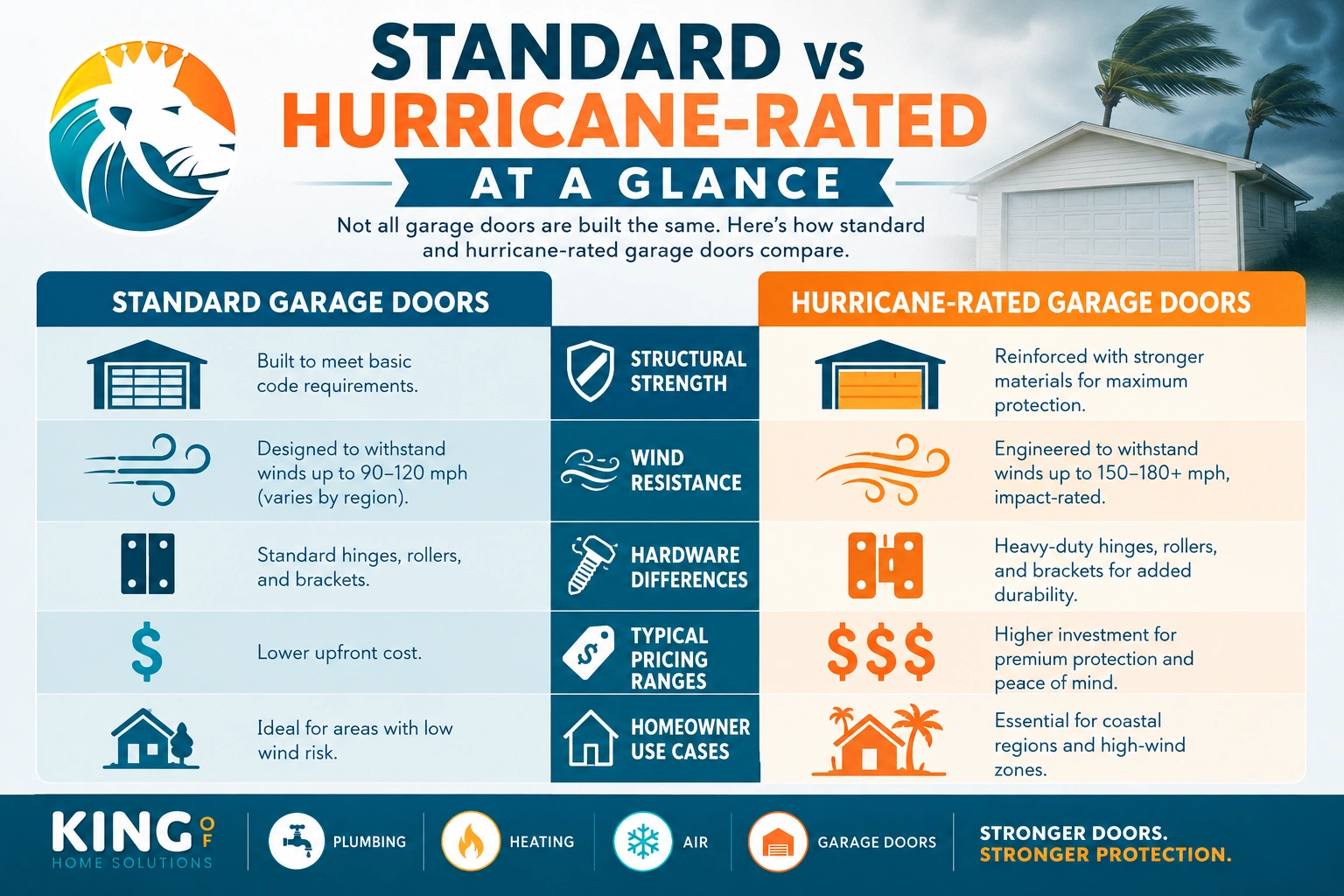
Side-by-Side Comparison: Standard vs Hurricane-Rated Garage Doors
| Feature | Standard Garage Door | Hurricane-Rated Garage Door |
| Upfront Cost | Lower | Higher |
| Wind Resistance | Limited | High |
| Structural Reinforcement | Minimal | Extensive |
| Code Compliance in Coastal Areas | May not qualify | Designed for compliance |
| Impact Resistance | Limited | Often enhanced |
| Insurance Benefits | Minimal | Sometimes beneficial |
| Storm Protection | Basic | Significant |
| Long-Term Durability | Moderate | Typically stronger |
Is a Hurricane-Rated Garage Door Worth It?
For many Jacksonville homeowners, absolutely.
Especially when you consider:
- Florida storm risks
- Insurance considerations
- Structural protection
- Long-term durability
- Home resale value
The upfront investment is higher.
But many homeowners view it as both a safety upgrade and a long-term property protection decision.
How Long Do Garage Doors Typically Last?
Most quality garage doors last:
- 15–30 years depending on materials
- Maintenance quality
- Storm exposure
- Salt-air corrosion
- Usage frequency
Coastal environments may shorten lifespan due to corrosion exposure.
That’s why many coastal homeowners choose upgraded finishes and corrosion-resistant hardware.
Signs It May Be Time to Replace Your Garage Door
Watch for:
- Loud grinding noises
- Uneven movement
- Rusted panels
- Sagging sections
- Frequent opener issues
- Storm damage
- Poor sealing
- Cracked or bent tracks
In many cases, ongoing repairs eventually cost more than replacement.
Especially with aging systems.
Final Thoughts: What Jacksonville Homeowners Should Understand
Garage door pricing in Jacksonville varies significantly based on:
- Wind-load requirements
- Coastal exposure
- Material quality
- Insulation level
- Structural reinforcement
- Home location
- Customization
And in 2026, more homeowners are realizing that garage doors are no longer just cosmetic upgrades.
They’re part of the home’s storm protection system.
For inland homes, a standard garage door may still make sense.
But in coastal or high-wind areas, hurricane-rated systems often provide:
- Better structural security
- Improved code compliance
- Greater long-term durability
- Better storm resistance
The key is working with a garage door company that explains the differences honestly.
Because the cheapest door isn’t always the safest option.
Especially during Florida hurricane season.
Protect your home before the next storm season.
Discover Jacksonville garage door pricing for 2026 and compare hurricane-rated options.