Serving The Jacksonville Area


Leak Detection in Jacksonville, FL
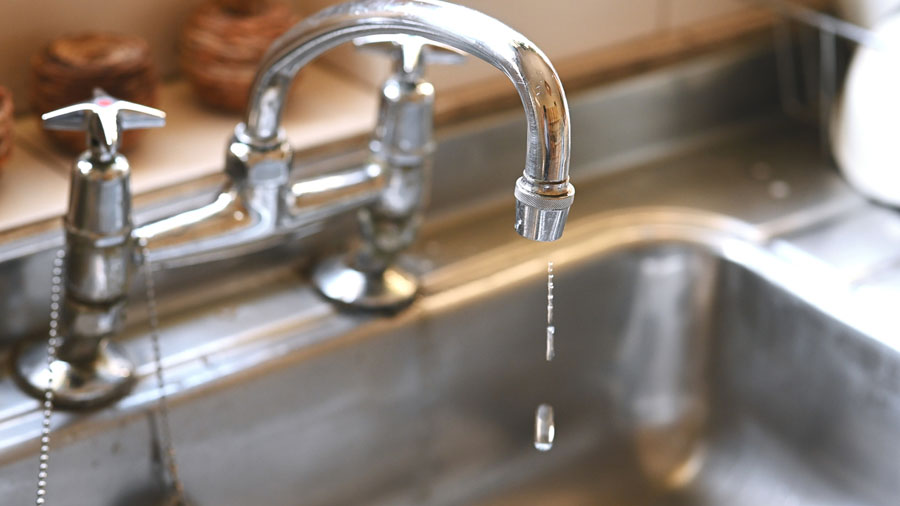
A hidden leak can damage walls, flooring, cabinets, and belongings before water becomes obvious. King of Home Solutions provides leak detection in Jacksonville, FL, for homeowners dealing with unexplained moisture, rising water use, musty odors, warm flooring, or sounds of running water.
Our residential plumbers narrow down where water is escaping and what repair is needed.
Find the Leak Without Guessing
Moisture, meter, pressure, acoustic, and thermal testing
Targeted investigation before walls or floors are opened
Clear explanations of likely sources and next steps
Residential service across Duval, Clay, and St. Johns counties
4.9 ⭐
Google Rating
BBB
Accredited Business
Locally-Owned & Operated
Same-Day Service Available
Proudly Serving the Jacksonville Area
5151-5 Sunbeam Road Jacksonville, FL 32257
Call 904-865-4663
RELIABLE LEAK DETECTION BACKED BY HAPPY CLIENTS
See how our dependable leak detection services have helped local homeowners restore reliable hot water, comfort, and peace of mind.

Unexplained Moisture Should Not Be Left to Guesswork
A stain does not always appear directly beneath a leaking pipe. Water can travel along framing, spread under flooring, collect behind cabinets, or follow plumbing lines before it reaches a visible surface.
That is why opening the nearest wall is not always the right first move.
A damp baseboard may trace back to an adjacent wall, while warm tile may point toward a hot-water line beneath the slab. Neither symptom confirms the exact source.
Professional testing helps answer three important questions:
- Is there active plumbing water loss?
- Where is the most likely source?
- What repair should happen next?
The goal is a practical repair direction with less unnecessary disruption.
What Professional Leak Detection Does
Leak detection is a diagnostic service used when water loss is suspected but the damaged pipe, fitting, fixture, valve, or connection is not fully visible.
The plumber reviews when the problem started, whether fixture use affects it, and whether consumption changed. Accessible plumbing is inspected before concealed lines are tested.
Depending on the evidence, the investigation may use:
- Moisture meters
- Thermal imaging
- Acoustic listening equipment
- Water-meter observations
- Pressure checks
- Fixture or zone isolation
- Visual inspection of accessible valves and connections
No single tool confirms every leak. Thermal and acoustic findings must be compared with plumbing routes and site conditions.
Homeowners should receive a clear explanation of the findings, remaining uncertainty, and recommended next step.
Warning Signs That Point to Hidden Water Loss
The Water Bill Rises Without a Clear Change in Use
When household habits remain steady, unexplained consumption may point to a running fixture, underground loss, appliance connection, or concealed supply leak.
Recent bills and a no-use meter check can provide useful starting evidence.
Dampness Keeps Returning in the Same Area
Moisture that reappears after cleaning or drying may indicate an active source. Bubbling paint, swollen trim, stained ceilings, soft flooring, or damp cabinet interiors deserve attention.
The wettest surface is not always the leak location.
Water Can Be Heard Behind a Wall or Floor
Faint hissing, trickling, or movement may indicate water escaping from a pressurized line. The sound may be easier to notice when fixtures, appliances, and HVAC equipment are quiet.
Sound alone should not determine where a wall is opened because materials can shift where noise is heard.
A Musty Odor Returns After Cleaning
Musty smells may develop when building materials remain damp.
Cleaning the surface will not solve the issue if fresh water continues entering the area. The moisture source should be identified before cosmetic repairs begin.
The Water Meter Moves During a No-Use Period
When faucets, toilets, appliances, and irrigation are off, continued meter movement may indicate water leaving the system.
A plumber can isolate whether the loss involves interior plumbing, an exterior line, or a fixture.
One Area of the Floor Feels Unusually Warm
A warm patch on tile, concrete, or another hard surface may be associated with a leaking hot-water line beneath the slab.
Warmth alone does not confirm a slab leak, but it matters more when paired with meter movement, sound, or pressure changes.
Water Pressure Changes Without Explanation
A sudden pressure drop may be caused by a leak, restricted pipe, valve problem, or utility condition.
Leak detection can help determine whether active water loss is contributing to the change.
Why Concealed Leaks Develop
Aging or Corroded Plumbing
Older pipes and fittings can weaken over time. Corrosion may create pinholes, thin pipe walls, or deteriorated joints that release water slowly.
Repeated leaks in different areas may indicate a broader piping problem.
Worn Seals, Valves, and Connections
Connections beneath sinks, behind fixtures, near water heaters, and at appliances depend on seals, fittings, valves, and supply lines.
A small drip may remain hidden inside a cabinet or wall cavity until surrounding materials become saturated.
High or Unstable Water Pressure
Consistently high pressure can stress pipes, valves, fixtures, and appliance hoses.
A leak may be repaired successfully while the pressure condition still requires separate correction.
Pipe Movement or Settlement
Normal building movement, soil changes, vibration, or settlement can place stress on concealed plumbing.
Pipes may shift at joints or rub against nearby materials, while slab symptoms may appear far from the damage.
Appliance and Fixture Failures
Refrigerators, washing machines, dishwashers, toilets, faucets, and water heaters all use supplied connections that can leak.
These sources should be checked before destructive access.
Humidity and Condensation Confusion
Jacksonville’s warm, humid conditions can produce condensation around cold pipes, air-conditioned spaces, and mechanical equipment.
Testing helps distinguish condensation from active water loss.
How King of Home Solutions Investigates a Leak
Review the Evidence
The plumber asks where the symptom appears, when it becomes stronger, whether fixture use affects it, and whether bills or meter behavior have changed.
Homeowners can note recent plumbing work and when stains, sounds, or odors appear.
Check Accessible Sources First
Visible valves, fixtures, supply lines, appliance connections, cabinets, water heaters, and nearby surfaces are inspected.
This rules out simpler sources before concealed testing.
Map Moisture and Temperature Patterns
Moisture meters and thermal imaging may be used to identify unusual patterns in walls, ceilings, cabinets, or flooring.
Findings are interpreted alongside the plumbing layout.
Test the Plumbing System
The plumber may observe meter movement, check pressure behavior, isolate fixtures or zones, or listen for escaping water.
Testing changes according to the property and evidence.
Narrow the Likely Source
Once the evidence points to a specific line, fixture, connection, or area, the plumber explains where controlled access may be needed and why.
This reduces guesswork without promising zero access.
Establish the Next Repair
The findings may lead to pipe repair, valve replacement, fixture service, appliance-line repair, slab leak work, or additional testing.
The homeowner receives the next step before repair.
What Happens After Testing?
A Plumbing Leak Is Confirmed
When testing supports an active leak, the plumber explains the likely component and repair method.
Accessible leaks may involve a valve, fitting, fixture, supply line, or appliance connection. Concealed leaks may require targeted wall, ceiling, floor, or slab access.
Plumbing Is Not Confirmed as the Source
Testing may show that plumbing holds pressure or moisture does not support active water loss.
The homeowner may then need to investigate roofing, HVAC condensation, drainage, waterproofing, groundwater, or restoration concerns.
Controlled Access Is Still Needed
Diagnostic tools narrow the search but do not replace physical confirmation.
A small, carefully selected opening may be needed to verify the failed component or complete the repair.
Leak Detection or a General Plumbing Inspection?
Focused leak detection is appropriate when there is evidence of active water loss, such as unexplained meter movement, recurring moisture, sounds behind surfaces, or possible slab symptoms.
A general plumbing inspection is better suited to preventive review, a home purchase, remodeling plans, or several unrelated visible concerns.
Leak detection answers a specific question: where is water escaping?
A broad inspection may identify risks without isolating a concealed leak.
What Leak Detection Cannot Resolve by Itself
It Does Not Repair the Damaged Plumbing
Detection identifies or narrows the source. The affected pipe, fitting, fixture, valve, or connection still needs approved repair.
It Does Not Restore Wet Materials
Wet materials may require drying or restoration after the source is stopped.
It Cannot Diagnose Every Moisture Problem
Roof intrusion, window leaks, groundwater, drainage problems, and HVAC condensation may require another specialist when plumbing testing does not support an active leak.
It Cannot Guarantee Zero Access
Noninvasive testing reduces unnecessary damage, but some leaks still require a controlled opening.
For example, a Ponte Vedra homeowner may find a ceiling stain beneath an upstairs bathroom. Testing may narrow the source to a shower supply wall, but a small opening may still be necessary to confirm the connection and complete the repair.
Leak Detection for Jacksonville-Area Homes
Homes across Jacksonville include slab-on-grade properties, multistory layouts, older plumbing systems, and newer houses with several bathrooms and appliance connections.
These differences affect where symptoms appear.
A St. Johns homeowner may notice one warm tile area while the meter continues moving during a no-use test. Those clues may justify testing a hot-water line beneath the slab, but the damaged section still needs to be narrowed before access is recommended.
King of Home Solutions also serves:
- Mandarin
- Southside
- Fleming Island
- Nocatee and other communities around Duval, Clay, and St. Johns counties
The investigation should always follow evidence from the individual home.
Why Homeowners Choose King of Home Solutions for Leak Detection
King of Home Solutions provides professional leak detection services from a Jacksonville-based plumbing team.
Homeowners can expect:
- Careful review of moisture, water bills, and leak symptoms
- Inspection of accessible pipes, fixtures, and connections
- Detection methods matched to the property and suspected leak
- Clear explanations of findings and testing limitations
- Repair recommendations based on confirmed evidence
Related Services

HVAC
Your One-Stop Source for Heating, Cooling, and Air Quality Solutions
Keeping your home comfortable year-round requires more than just heating and cooling—it takes expert care, responsive service, and reliable HVAC solutions.
Heating Maintenance
Preventative Heating Maintenance for Worry-Free Comfort
A well-maintained heating system is the key to staying warm, safe, and energy-efficient through the cooler months.

Heat Pump Repair
Trusted Heat Pump Repair Services for Your Home
When your heat pump stops working properly, it can disrupt your comfort in every season.
Gas Furnaces
Efficient Heating Starts With a Reliable Gas Furnace
When temperatures drop, a dependable furnace isn’t just a comfort—it’s a necessity.

Frequently Asked Questions

Find the Leak and Plan the Right Repair
Unexplained moisture should never be left to guesswork. King of Home Solutions locates active leaks, identifies the likely source, and explains the next repair step. Call 904-865-4663 or schedule online to request a focused leak investigation.