Serving The Jacksonville Area



The Cost of Repiping a 1950s San Marco Home (PEX vs. Copper)

The Cost of Repiping a 1950s San Marco Home (PEX vs. Copper)
You’re washing dishes in your San Marco kitchen when the water pressure suddenly drops.
Again.
Maybe it started with rusty-looking water in the mornings. Maybe you’ve noticed pinhole leaks showing up one after another. Or maybe your plumber just gave you the news every homeowner in an older Jacksonville neighborhood eventually dreads hearing:
“At this point, you should seriously consider repiping the house.”
And if you own a 1950s home in San Marco, that conversation is becoming increasingly common.
The charm of these homes is undeniable.
Original hardwood floors. Solid construction. Unique architecture. Tree-lined streets.
But behind the walls, many of these homes still contain aging galvanized steel, old copper lines, or outdated plumbing systems that are reaching the end of their lifespan.
Still living with aging pipes?
Don't wait for a costly leak. Speak with our team today to compare PEX and copper repiping options for your home.
That’s when the big question hits:
“How much does it actually cost to repipe a 1950s San Marco home?”
The honest answer?
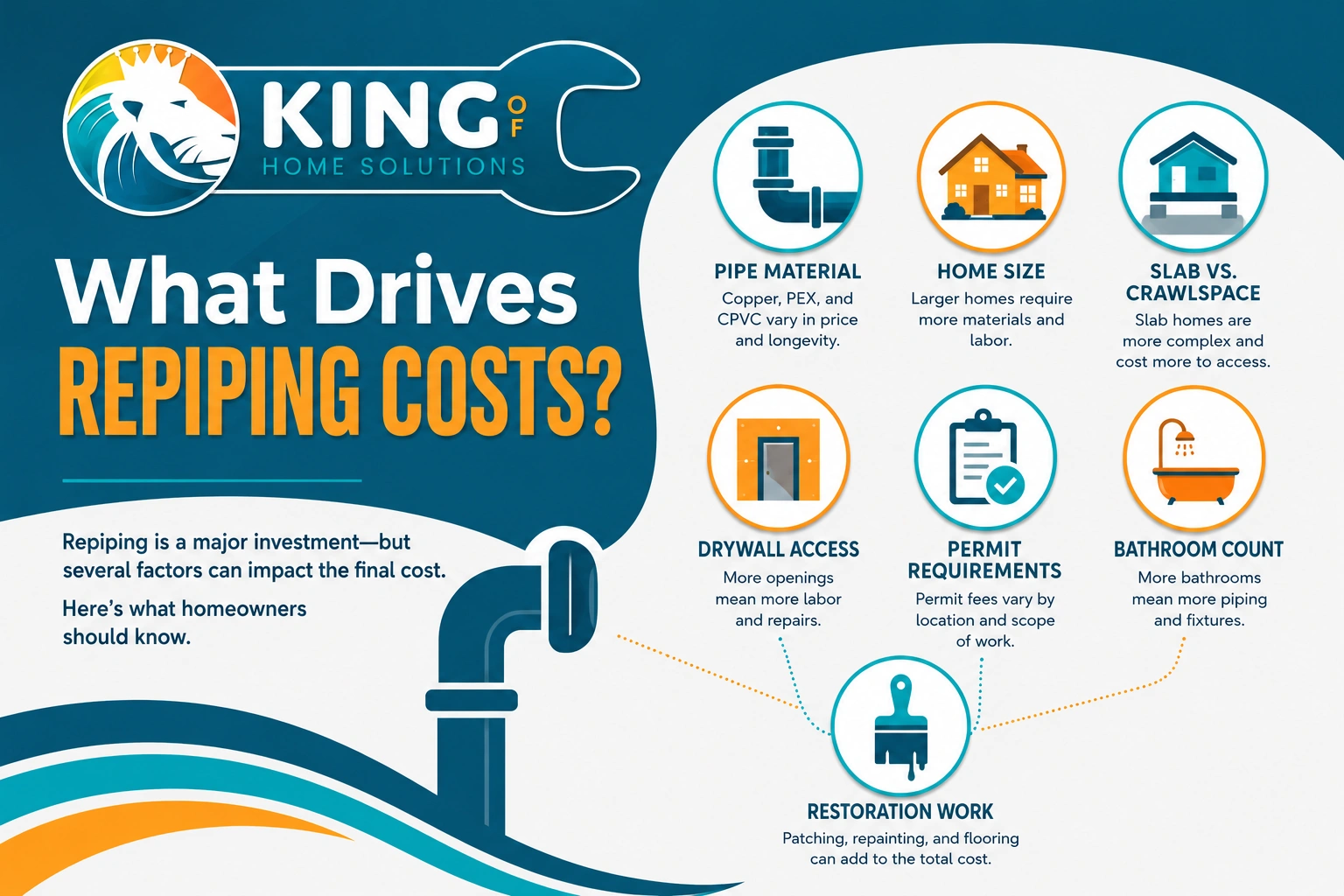
It depends heavily on:
- The size of the homeF
- Accessibility behind walls
- Existing pipe material
- Water damage already present
- Whether you choose PEX or copper piping
- The complexity of the plumbing layout
Some homeowners spend far less than expected. Others uncover hidden plumbing issues once walls are opened.
And in neighborhoods like San Marco, older home layouts often make repiping more labor-intensive than newer construction.

Why Older San Marco Homes Commonly Need Repiping
Most homes built during the 1940s and 1950s weren’t designed with modern plumbing expectations in mind.
Over decades, pipes naturally deteriorate.
And Jacksonville’s humidity, soil conditions, and water quality can accelerate certain plumbing problems.
Some of the most common issues homeowners experience include:
- Low water pressure
- Frequent leaks
- Rust-colored water
- Corrosion inside pipes
- Water discoloration
- Uneven water temperature
- Hidden moisture damage
In many cases, homeowners initially try spot repairs.
But after multiple plumbing issues appear within a short period, repiping often becomes the smarter long-term investment.
What Does It Cost to Repipe a 1950s San Marco Home?
The reality is that no reputable plumber should quote a full repipe without evaluating the home first.
That said, most San Marco homeowners can expect repiping costs to vary based on:
- Home square footage
- Number of bathrooms
- Pipe accessibility
- Crawlspace or slab foundation
- Wall repair requirements
- Material selection
Generally speaking, most repiping projects in older San Marco homes are influenced heavily by the home’s size and accessibility.
But homeowners should understand something important upfront:
Square footage alone does not determine the final price.
Two homes with the exact same square footage can have dramatically different repiping costs depending on:
- Whether the home sits on a slab or crawlspace
- How accessible the plumbing is behind walls
- The number of bathrooms
- Whether original plaster walls are present
- Existing water damage
- Pipe material selected
- Historic restoration concerns
- Whether drywall, cabinetry, or flooring must be removed
That’s why experienced plumbers usually provide a broad range first before performing a detailed inspection.
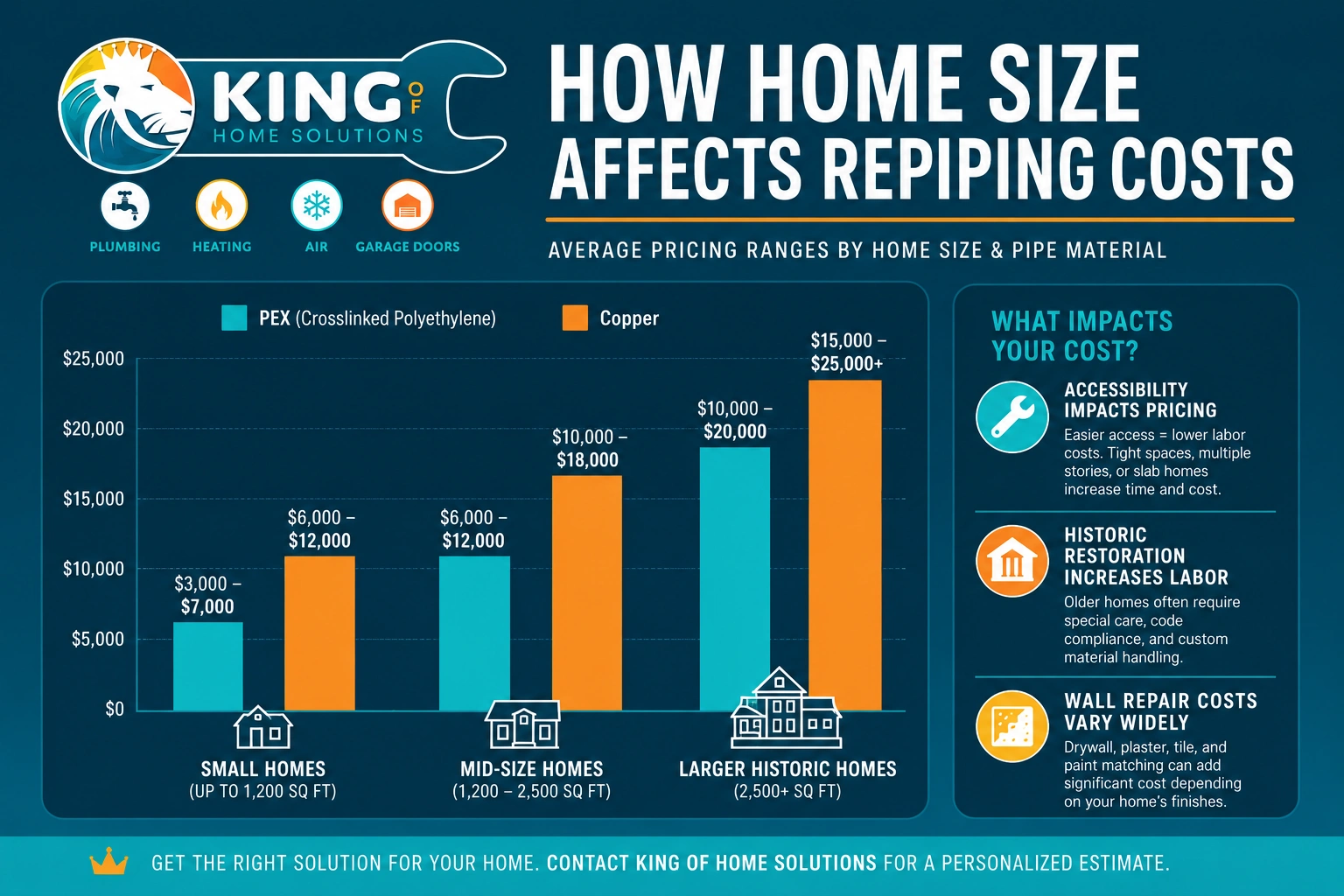
Realistic Repiping Cost Examples for San Marco Homes
| Home Size | PEX Repipe Range | Copper Repipe Range |
|---|---|---|
| Small home (1,000–1,400 sq ft) | Often $4,500–$8,000 | Often $8,000–$14,000 |
| Mid-size home (1,500–2,200 sq ft) | Often $7,000–$12,000 | Often $12,000–$20,000+ |
| Larger historic home (2,500+ sq ft) | Often $10,000–$18,000+ | Often $18,000–$30,000+ |
These ranges can shift significantly depending on the complexity of the project.
For example:
A smaller 1,200-square-foot home with easy crawlspace access may cost less to repipe than a heavily customized 1,200-square-foot historic home with plaster walls, limited access points, and original cabinetry.
Likewise, a larger home with excellent pipe access may actually be simpler than a smaller home where plumbers must carefully work around preserved architectural features.
| Repiping Type | Typical Homeowner Experience |
|---|---|
| Partial repipe | Lower upfront cost but may not solve systemic issues |
| Full PEX repipe | Usually more affordable and flexible |
| Full copper repipe | Higher material and labor investment |
| Repiping with restoration work | Costs rise significantly when drywall, flooring, or cabinetry are affected |
PEX vs. Copper: What’s the Difference?
This is usually the biggest decision homeowners face during a repipe project.
And there’s no one-size-fits-all answer.
Both PEX and copper have advantages.
The right choice often depends on the home, budget, long-term goals, and homeowner priorities.
PEX Repiping: The More Common Modern Option
PEX piping has become extremely popular for residential repiping projects.
Why?
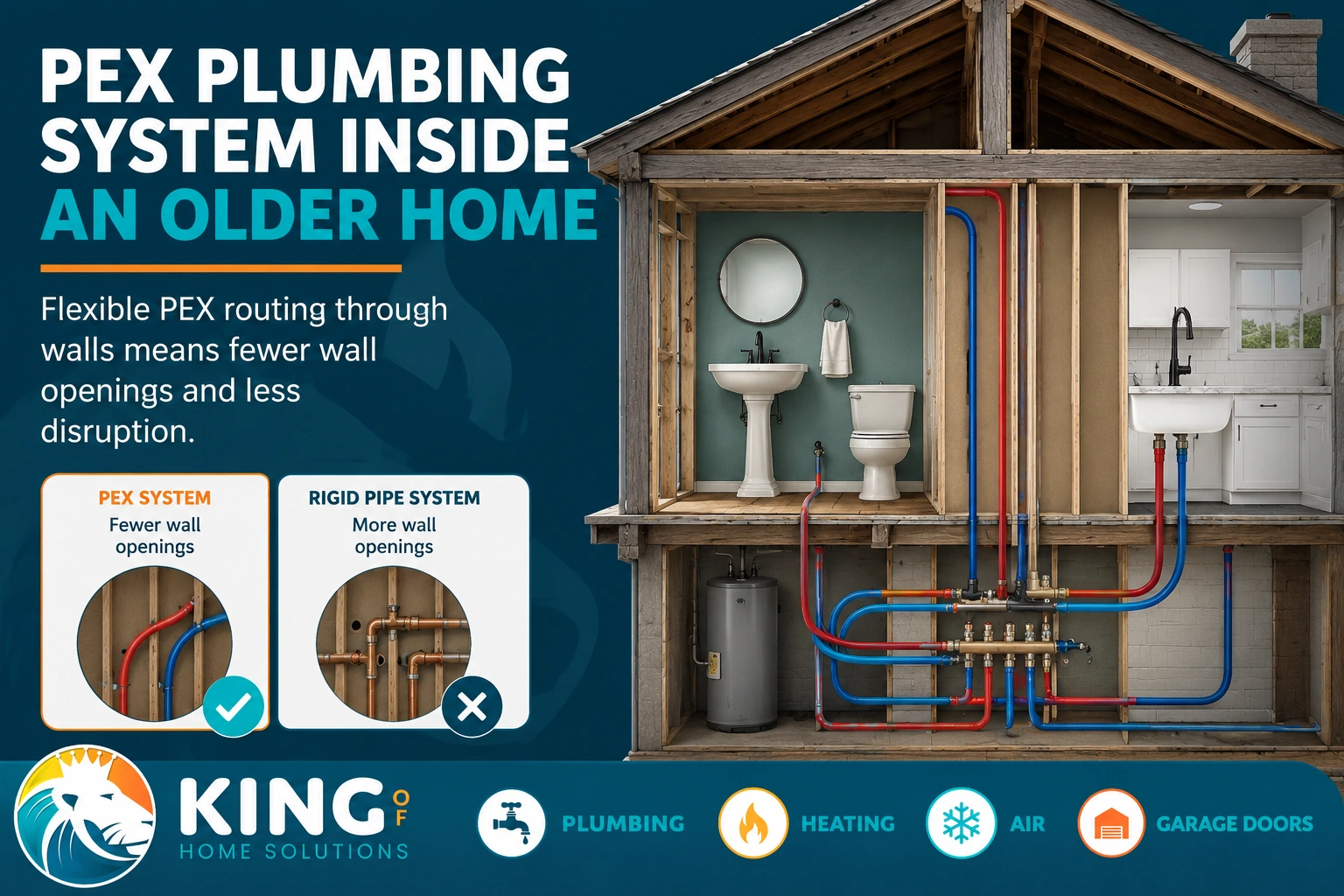
Because it’s flexible, efficient to install, and typically less invasive than copper.
For many older San Marco homes, that flexibility matters.
Especially when plumbers are trying to minimize wall openings and preserve original finishes.
Advantages of PEX
Less Invasive Installation
PEX can often be routed through walls and tight spaces with fewer cuts into drywall or plaster.
That’s a major benefit in older homes with original architectural details.
Faster Installation
PEX installations are usually faster than copper repipes.
Less labor often means lower overall project costs.
Corrosion Resistance
Unlike older metal pipes, PEX doesn’t corrode internally.
That helps reduce concerns about rust buildup or pinhole leaks.
Better Freeze Resistance
While Jacksonville doesn’t experience severe freezes often, PEX handles temperature expansion better than rigid metal piping.
Potential Drawbacks of PEX
Some homeowners still prefer copper because:
- They trust metal piping more
- They want premium resale perception
- They dislike plastic-based systems
- Certain insurance or preference concerns exist
PEX also cannot be exposed to prolonged UV light and may not be ideal in every situation.

Why Jacksonville Homes Face More Plumbing Issues After Heavy Rain
Jacksonville’s warm, coastal climate is no stranger to heavy rain and tropical storms. While the region’s frequent rainfall is great…
Read The BlogCopper Repiping: The Traditional Premium Option
Copper has been trusted in plumbing systems for decades.
And many homeowners still view copper as the gold standard.
In some luxury or historically sensitive homes, copper remains the preferred choice.
Advantages of Copper
Long-Term Durability
Properly installed copper systems can last for decades.
Many homeowners appreciate its proven track record.
Strong Resale Perception
Some buyers view copper plumbing as a premium feature.
Especially in older historic-style homes.
Heat Resistance
Copper handles high temperatures extremely well.
Potential Drawbacks of Copper
Higher Material Costs
Copper prices fluctuate heavily.
And labor-intensive installations increase total project pricing significantly.
More Invasive Installation
Rigid copper piping often requires:
- More wall openings
- More cutting
- More soldering
- More restoration afterward
That can become especially important in older San Marco homes with plaster walls, original tile, or custom finishes.
Corrosion Risks Over Time
Even copper can eventually develop pinhole leaks depending on:
- Water chemistry
- Pipe age
- Installation quality
- Environmental conditions
Which Option Is Better for a 1950s San Marco Home?
Honestly, most homeowners aren’t just choosing between two pipe materials.
They’re balancing:
- Budget
- Long-term maintenance
- Home preservation
- Project disruption
- Future resale value
- Personal preference
For many homeowners, PEX makes sense because it’s more affordable and less invasive.
But for others — especially those restoring higher-end historic homes — copper may align better with the home’s long-term vision.
A trustworthy plumber should walk you through both options honestly instead of pushing whichever system is easiest for them.
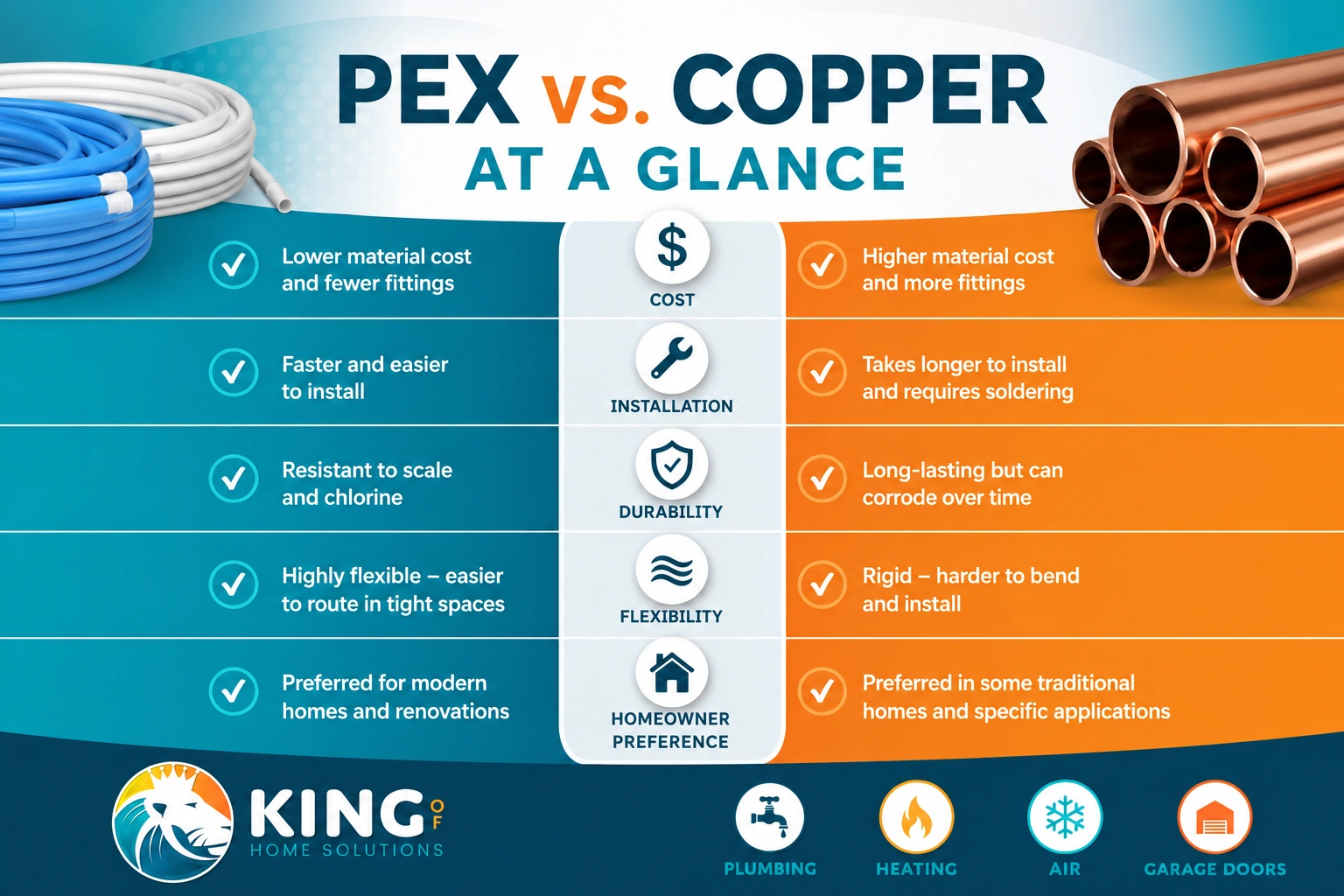
Side-by-Side Comparison: PEX vs. Copper
| Feature | PEX | Copper |
|---|---|---|
| Installation Cost | Usually lower | Usually higher |
| Installation Speed | Faster | Slower |
| Flexibility | Very flexible | Rigid |
| Corrosion Resistance | Excellent | Good, but can corrode |
| Wall Damage During Install | Usually less | Usually more |
| Longevity | Long-lasting | Long-lasting |
| Noise | Quieter water flow | Can be louder |
| Resale Perception | Modern standard | Premium/traditional |
Hidden Costs Homeowners Often Don’t Expect
One of the biggest surprises during repiping projects is that the plumbing itself is only part of the total scope.
Additional costs can include:
- Drywall repair
- Painting
- Flooring protection
- Cabinet access
- Permit fees
- Water damage restoration
- Mold remediation
- Temporary hotel stays for major projects
Older homes sometimes reveal hidden issues once walls are opened.
That’s why experienced plumbers avoid giving unrealistically low estimates upfront.
How Long Does a Full Repipe Take?
Most repiping projects take anywhere from:
- 2–5 days for smaller homes
- Up to 1–2 weeks for larger or more complex historic properties
The timeline depends on:
- Home layout
- Accessibility
- Pipe material
- Inspection requirements
- Restoration work needed afterward
Many homeowners are surprised that the drywall and cosmetic restoration often take longer than the plumbing itself.
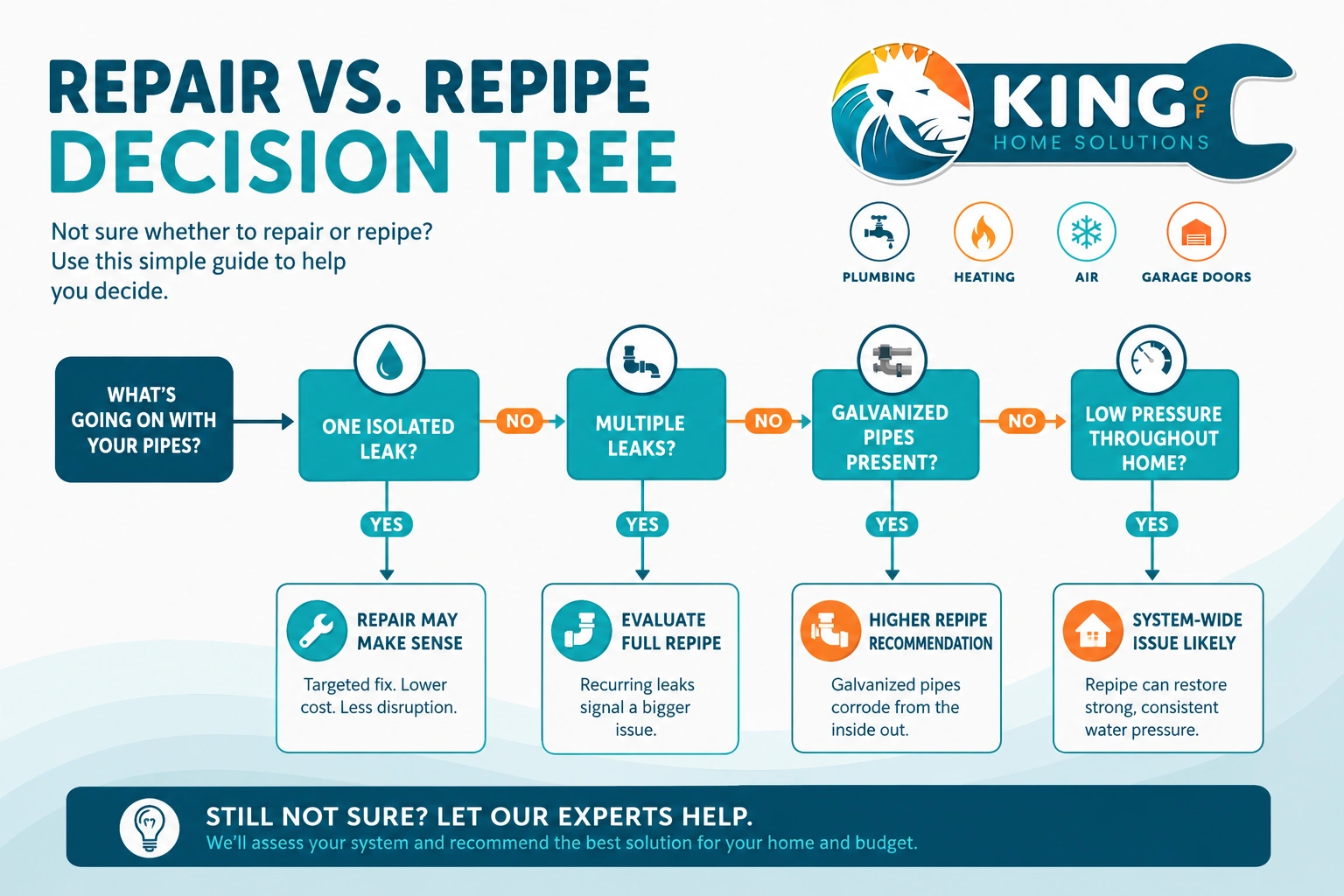
Signs It May Be Time to Repipe Your Home
Some homeowners wait too long because they keep treating each plumbing issue individually.
But recurring symptoms usually point to a larger system-wide problem.
Watch for:
- Frequent leaks
- Rust-colored water
- Water pressure issues
- Corroded visible pipes
- Water stains on walls or ceilings
- Rising plumbing repair bills
- Old galvanized piping
At a certain point, ongoing repairs often cost more than replacing the plumbing system entirely.
Is Repiping Worth It?
For many San Marco homeowners, absolutely.
A full repipe can:
- Improve water pressure
- Eliminate recurring leak anxiety
- Increase plumbing reliability
- Reduce future water damage risks
- Improve water quality
- Add long-term value to the home
And perhaps most importantly:
It removes the constant fear of wondering where the next leak will happen.
Final Thoughts: What San Marco Homeowners Should Know
Repiping a 1950s home is a major project.
But for many Jacksonville homeowners, it eventually becomes a necessary one.
The key is understanding that there’s no universal “right” answer between PEX and copper.
The better option depends on:
- Your budget
- The home’s condition
- Your long-term plans
- Preservation goals
- Plumbing accessibility
- Future maintenance concerns
What matters most is working with a plumbing company that evaluates the entire home honestly.
Because the goal isn’t just replacing pipes.
It’s protecting the character, safety, and long-term reliability of one of San Marco’s older homes.
And when done correctly, a quality repipe can give homeowners decades of peace of mind.
Worried about old plumbing costs?
Get an honest repiping estimate for your San Marco home. Call Starnes Electric LLC today and explore the best solution for your budget. Buttons: