Serving The Jacksonville Area



Why Your Toilet Makes a Hissing Sound When Nobody Is Using It
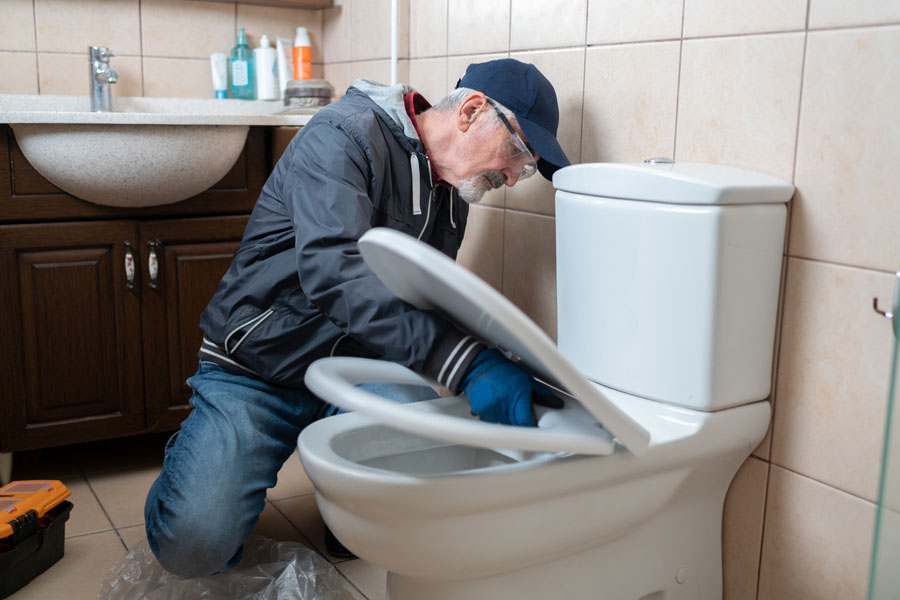
Why Your Toilet Makes a Hissing Sound When Nobody Is Using It
A toilet hissing when not in use usually means water is entering the tank when it should have stopped. Common causes include a worn fill valve, a leaking flapper, an incorrectly positioned float, or water escaping into the overflow tube. Some toilets hiss continuously, while others make noise every few minutes because the tank is slowly losing water.
For Jacksonville homeowners, an unexplained hissing sound may seem minor, but it can indicate ongoing water waste or a plumbing problem that needs attention. At King of Home Solutions, we help identify why toilets keep refilling, determine whether internal components are failing, and recommend repairs to stop unnecessary water loss.
Quick Answer: Why Is My Toilet Hissing When Nobody Is Using It?
A toilet should generally become quiet after its tank finishes refilling.
If hissing continues long after the last flush, water may still be moving through the fill valve or escaping from the tank into the bowl.
Several problems can cause this behavior.
- Worn fill valve: The valve may no longer shut off completely, allowing water to continue entering the tank.
- Leaking flapper: A deteriorated flapper can allow tank water to seep into the bowl, triggering repeated refilling.
- Incorrect float position: A float that does not stop filling at the proper level may allow water to enter the overflow tube.
- Damaged flush valve seal: Water may escape through a worn seal even when the toilet has not been flushed.
- Water pressure or valve problems: Certain supply-related conditions can affect how the fill valve operates.
- Intermittent tank water loss: A small leak may cause the fill valve to activate periodically rather than run continuously.
The timing of the sound can provide a useful clue.
A toilet that hisses constantly may have a fill valve that is not closing properly or water flowing into the overflow tube.
A toilet that remains quiet before suddenly hissing every few minutes may be losing water through the flapper or another tank seal.
However, sound alone cannot confirm the failed component.
Homeowners can safely inspect the visible water level, observe the refill pattern, and perform a simple dye test to check for leakage into the bowl.
If water continues running or moisture appears around the supply line or floor, professional plumbing service is appropriate.
How the Toilet Fill System Normally Works
To understand why a toilet hisses unexpectedly, it helps to know what happens during a normal flush.
A typical tank-style toilet relies on several components working together.
These include the fill valve, float, flapper or flush valve seal, overflow tube, and water supply connection.
The Flush Begins
When the handle or button is activated, the flush mechanism opens a passage at the bottom of the tank.
Water rushes into the bowl to complete the flush.
As the tank empties, the float moves downward.
The Fill Valve Opens
The lower water level signals the fill valve to allow fresh water into the tank.
This is when homeowners normally hear a rushing or hissing sound.
The sound comes from water moving through the valve and refill system.
The Tank Refills
As water enters, the float rises.
The refill system also typically sends a controlled amount of water through a small refill tube to restore the bowl’s water level.
The Fill Valve Shuts Off
Once the tank reaches the intended water level, the float mechanism causes the fill valve to close.
Water should stop entering the tank.
The toilet should then remain quiet until another flush.
What Goes Wrong?
If the valve cannot close, water may continue entering the tank.
If the flapper leaks, the tank may gradually lose water even though nobody has flushed.
The fill valve responds by opening again to replace that lost water.
This creates the familiar sound of a toilet refilling on its own.
Why Understanding the Sequence Matters
A hissing toilet does not always have a defective fill valve.
Sometimes the valve is operating normally because another component is allowing water to escape.
Identifying which part is responsible prevents unnecessary replacement of parts that are still functioning correctly.
Can a Worn Fill Valve Cause a Hissing Sound?
Yes. A worn or malfunctioning fill valve is one of the possible causes of a toilet that continues making noise after flushing.
The fill valve controls how water enters the tank.
When the tank reaches the correct level, the valve should stop the flow.
What Happens as the Fill Valve Ages?
Internal seals and moving components can wear over time.
Mineral deposits or debris may also interfere with valve operation.
If the valve does not close completely, water may continue passing through it.
This can produce a steady hissing sound.
Why Does the Sound Continue After the Tank Is Full?
A fill valve that is not sealing correctly may allow a small stream of water into the tank.
If the water level continues rising, excess water may enter the overflow tube.
The toilet can waste water without producing an obvious leak on the bathroom floor.
Can a Fill Valve Make Noise Even Without an Obvious Overflow?
Yes.
Some valves produce unusual hissing or vibration when internal components become worn.
However, a plumber should verify whether the sound represents normal water movement, a valve problem, or another condition.
Signs of a Possible Fill Valve Problem
Homeowners may notice:
- A continuous hissing sound after flushing.
- Water moving into the overflow tube.
- A tank that takes unusually long to refill.
- Inconsistent tank water levels.
- A fill valve that repeatedly activates.
- Unusual noise around the refill mechanism.
Does the Entire Toilet Need Replacement?
Usually not when the problem is limited to a serviceable fill valve.
Many toilet designs allow individual tank components to be repaired or replaced.
However, the appropriate solution depends on the age, model, and condition of the fixture.
Why Professional Inspection Can Help
A plumber can determine whether the fill valve is failing, improperly positioned, or responding to another leak.
At King of Home Solutions, we inspect the tank’s operating components before recommending repair or replacement.
How a Leaking Flapper Can Keep the Toilet Refilling
A leaking flapper is another common explanation for a toilet hissing when not in use.
The flapper is the rubber or flexible seal that closes the opening between the tank and bowl after flushing.
When it seals properly, tank water remains in place until the next flush.
When it fails, water can slowly escape into the bowl.
Why Flappers Wear Out
Over time, flappers may lose flexibility, become distorted, or deteriorate.
Certain water conditions and cleaning chemicals can also affect rubber components.
As the material ages, it may no longer sit tightly against the flush valve opening.
How a Small Leak Creates a Hissing Sound
The process is straightforward.
First, water slowly leaks from the tank into the bowl.
As the tank level falls, the float moves downward.
The fill valve then opens to restore the water level.
The homeowner hears a short hissing or refilling sound.
Once the tank fills, the valve closes.
The process may repeat several minutes later.
Why This Is Called Ghost Flushing
Some homeowners describe the sound as a toilet flushing by itself.
However, the toilet may not be completing a full flush.
Instead, it is automatically replacing water that has leaked from the tank.
What Does a Leaking Flapper Look Like?
A visibly warped or deteriorated flapper may suggest wear.
However, a flapper can leak without appearing obviously damaged.
The sealing surface beneath it may also be affected.
Can the Chain Cause Problems?
A chain that is too tight or caught beneath the flapper can prevent the seal from closing.
Homeowners may notice that the flapper is not sitting correctly.
However, parts should not be forced or adjusted without understanding the fixture’s design.
What If the Toilet Uses a Different Flush Seal?
Not every modern toilet uses a conventional rubber flapper.
Some models use canister-style flush valves or other sealing mechanisms.
These can develop similar leakage problems.
Why the Correct Diagnosis Matters
A leaking flapper and a failed fill valve can produce similar sounds.
However, replacing the fill valve alone will not correct a tank that is losing water through a damaged flapper.
That is why identifying the direction of water movement is important.
Can the Water Level or Float Cause Continuous Hissing?
Yes. An incorrectly positioned or malfunctioning float can cause the tank to fill beyond its intended level.
The float helps determine when the fill valve should stop supplying water.
If it does not operate correctly, the fill valve may remain open.
What Is the Correct Tank Water Level?
Many toilet tanks have a manufacturer-specified waterline.
The water should generally stop below the top of the overflow tube.
The exact setting depends on the toilet model and fill valve design.
What Happens if the Level Is Too High?
Water may enter the overflow tube.
From there, it flows into the toilet bowl.
The fill valve may continue admitting water because the float has not shut it off at the correct point.
This can create steady hissing.
Can the Float Become Stuck?
Yes.
Some float mechanisms can bind or move incorrectly because of wear, interference, or component damage.
Does Every Toilet Use a Floating Ball?
No.
Older toilets may have a ball attached to a metal arm.
Many newer models use a compact float that moves along the fill valve body.
The operation differs by design.
How Can Homeowners Recognize an Overflow Problem?
With the tank lid carefully removed, homeowners may be able to see whether water is continuously entering the overflow tube.
This is a useful observation that does not require dismantling the mechanism.
Should Homeowners Adjust the Float?
Some models allow a simple manufacturer-approved float adjustment.
However, homeowners should not force unfamiliar components or attempt repairs involving damaged valves or supply connections.
If the float is broken, the valve will not shut off, or water continues overflowing, a plumber should inspect the system.
Why High Water Levels Matter
Even a small continuous stream into the overflow can waste water throughout the day.
Correcting the cause helps restore normal toilet operation.
Does a Hissing Toilet Mean Water Is Being Wasted?
Often, yes.
If water continues entering the toilet after the normal refill period, some of that water may be escaping into the bowl or overflow system.
A hissing toilet can therefore waste water without leaving a puddle.
Why Internal Leaks Are Easy to Miss
Most homeowners recognize a leak when water appears on the floor.
However, a toilet can leak internally from the tank into the bowl.
That water then passes into the drainage system.
The bathroom floor remains dry, making the problem less obvious.
Small Leaks Can Continue Around the Clock
A minor flapper leak may run intermittently.
A fill valve that never closes may allow continuous water loss.
The total amount depends on how quickly water escapes and how long the problem continues.
What Does the EPA Say?
The U.S. Environmental Protection Agency’s WaterSense program recommends testing toilets for silent leaks.
It also notes that worn flappers are a common source of water loss.
The EPA recommends checking for leaks at least annually.
Could the Water Bill Increase?
Yes.
An internal toilet leak can increase water consumption even when household routines have not changed.
However, a higher bill can also result from irrigation problems, other plumbing leaks, or changes in household water use.
Why Jacksonville Homeowners Should Pay Attention
Homes in Jacksonville may have multiple bathrooms, guest bathrooms, or toilets that are not used frequently.
A toilet in a rarely used room can leak for days or weeks before someone notices the sound.
Is Every Hissing Sound a Leak?
Not necessarily.
A brief refill sound immediately after flushing is expected.
Some toilets also produce a short sound after a normal refill process.
The concern is hissing that continues, returns repeatedly without flushing, or is accompanied by visible water movement.
Why Prompt Repair Makes Sense
The sooner the source is identified, the sooner unnecessary water loss can be stopped.
A minor tank-component repair may be sufficient, but persistent or unexplained leakage needs professional attention.
Safe Checks Homeowners Can Make
Before scheduling a plumbing appointment, homeowners can perform several simple checks to better understand the problem.
These observations should not involve disconnecting supply lines, removing damaged valves, or dismantling the toilet.
1. Listen to the Timing
Determine whether the hissing occurs:
- Immediately after flushing.
- Continuously for several minutes.
- Every few minutes without flushing.
- Randomly throughout the day.
- After another plumbing fixture is used.
The timing may help identify whether the fill valve is constantly running or periodically refilling the tank.
2. Carefully Remove the Tank Lid
If the toilet has a removable tank lid, lift it carefully and place it on a stable surface.
Porcelain lids can be heavy and may crack if dropped.
Do not remove internal components.
3. Observe the Water Level
Look for the tank’s marked waterline, if present.
Notice whether water appears to be overflowing into the vertical overflow tube.
4. Watch the Refill Pattern
Without touching the internal mechanism, observe whether the fill valve continues supplying water after the tank reaches its normal level.
5. Perform a Simple Dye Test
The EPA recommends placing a few drops of food coloring or a toilet leak-detection dye tablet into the tank.
Wait approximately 10 minutes without flushing.
If the color appears in the bowl, water is leaking from the tank into the bowl.
Flush afterward to help avoid staining.
This test can reveal leakage through the flapper or another flush valve seal.
6. Check the Bathroom Floor
Look for moisture near the toilet base, water supply connection, or nearby wall.
Do not assume the toilet’s internal tank mechanism is responsible if water is also appearing outside the fixture.
7. Review Recent Water Bills
Compare water usage with previous billing periods when available.
Unexpected increases may support the possibility of a leak.
8. Check Other Toilets
If the sound is intermittent or difficult to locate, listen to the other toilets in the home.
A toilet in a guest bathroom may be the actual source.
What Homeowners Should Avoid
Do not:
- Disconnect the water supply line.
- Force a stuck shutoff valve.
- Remove the fill valve.
- Apply excessive force to plastic tank components.
- Use tools on cracked porcelain.
- Ignore water spreading onto flooring.
- Continue operating a visibly leaking fixture without addressing the problem.
These checks are intended to help homeowners gather information safely.
Actual repairs should be based on the condition of the toilet and the suspected failed component.
How to Tell Whether the Problem Is the Fill Valve or Flapper
Fill valve and flapper problems are two of the most common reasons a toilet hisses when nobody is using it.
Although the symptoms can overlap, certain observations can help distinguish them.
| Symptom | Possible fill valve issue | Possible flapper or flush-seal issue |
| Constant hissing | Common possibility | Possible if the leak triggers continuous refilling |
| Short hissing every few minutes | Valve may be responding to tank water loss | Common possibility |
| Water flowing into overflow tube | Strong clue | Not the typical direct cause |
| Dye appears in bowl without flushing | May occur if tank water enters the overflow | Indicates tank-to-bowl leakage; flush seal is a common cause |
| Tank water level gradually drops | Less typical with valve closed | Strong clue |
| Refill never shuts off | Strong clue | May occur with a sufficiently large leak |
Continuous Hissing Often Points Toward Water That Will Not Shut Off
If the tank is full and water continues entering the overflow tube, the fill valve or float mechanism deserves attention.
Intermittent Hissing Often Suggests Water Loss
If the toilet remains quiet before suddenly refilling, water may be escaping from the tank.
A flapper or flush valve seal is a common possibility.
A Dye Test Helps Identify Tank Leakage
Color appearing in the bowl without flushing confirms that tank water is reaching the bowl.
However, the result should be considered alongside the water level and whether water is entering the overflow tube.
What If Both Parts Are Worn?
A toilet may have more than one failing component.
An older fill valve and deteriorated flapper can create overlapping problems.
Why Guessing Can Be Expensive
Replacing one component based only on the sound may not stop the leak.
Professional diagnosis helps determine whether the repair should involve the fill valve, flapper, float, flush valve seal, or another part.
When Toilet Parts May Need Replacement
Toilet tank components experience repeated movement and water exposure.
Over time, some parts wear out.
A hissing sound may be an early sign that replacement is necessary.
Worn Flapper
A flapper that no longer seals tightly may need replacement.
However, the sealing surface and compatibility should also be considered.
Faulty Fill Valve
If the fill valve cannot stop water flow reliably, repair or replacement may be appropriate.
Damaged Float Assembly
A broken or malfunctioning float may prevent proper water-level control.
Worn Flush Valve Seal
Some toilets use a different flush valve design that relies on a replaceable seal.
A deteriorated seal may allow tank water to leak into the bowl.
Overflow Tube Problems
A damaged overflow assembly can affect normal tank operation.
The appropriate repair depends on the toilet’s design.
Corroded or Damaged Supply Connections
If the problem involves the supply line or shutoff valve, professional service may be necessary.
Does an Old Toilet Need Complete Replacement?
Not automatically.
Many running or hissing toilets can be repaired by replacing individual components.
However, replacement may become more practical when the fixture has cracked porcelain, repeated performance problems, unavailable parts, or several deteriorated components.
Why Compatibility Matters
Toilet components are not always interchangeable.
A replacement part should match the toilet’s specific design.
Our plumbers evaluate the fixture and explain whether a targeted repair or replacement is appropriate.
When a Hidden Leak May Be Involved
A hissing toilet usually points toward its tank or fill system, but not every unexplained water sound originates inside the tank.
If homeowners notice persistent water use, moisture around the bathroom, or unusual sounds even after the toilet’s operation appears normal, additional investigation may be needed.
Supply Line Leaks
The flexible or rigid line supplying water to the toilet can develop leaks.
Water may appear near the wall, shutoff valve, or floor.
Shutoff Valve Problems
A worn shutoff valve may leak externally or fail to control water as intended.
Homeowners should avoid forcing a damaged or corroded valve.
Tank-to-Bowl Connections
Certain toilets can develop leaks around tank mounting hardware, gaskets, or other connections.
These may create visible moisture outside the fixture.
Leaks Near the Toilet Base
Water near the base may come from the toilet seal, supply connections, condensation, or another nearby source.
A wet floor does not automatically mean the wax ring has failed.
Concealed Plumbing Leaks
Water can escape from a pipe or fitting behind a wall or beneath flooring.
Such leaks may cause moisture stains, odors, damaged surfaces, or unexplained meter activity.
What If the Dye Test Is Negative?
A negative dye test suggests that tank-to-bowl leakage was not observed during that test period.
However, it does not rule out every plumbing leak.
An intermittent problem or leak outside the tank may require further investigation.
When Leak Detection Is Appropriate
If water consumption remains unusually high or moisture appears without a visible source, focused professional testing may be needed.
At King of Home Solutions, our Leak Detection services help locate water loss involving concealed pipes, fittings, fixtures, and other plumbing components.
A plumber can determine whether the hissing toilet is the primary issue or one symptom of a separate plumbing problem.
When to Call a Plumber
Some toilet hissing problems can be identified through simple observation.
However, professional repair is appropriate when the sound continues, water is being wasted, or the failed component is unclear.
The Hissing Never Stops
If the toilet continues running long after flushing, the fill system may not be shutting off correctly.
The Toilet Refills Repeatedly
Short refill cycles when nobody has flushed may indicate an internal tank leak.
The Dye Test Shows Leakage
Color appearing in the bowl without flushing suggests that tank water is escaping.
A plumber can identify the failed seal and determine the appropriate repair.
Water Reaches the Overflow Tube
If water continuously enters the overflow tube, the fill valve or float system may require attention.
Moisture Appears Around the Toilet
Visible water around the supply line, base, or nearby floor deserves prompt inspection.
The Shutoff Valve Is Damaged
A corroded, leaking, or difficult-to-operate shutoff valve should not be forced.
Water Bills Continue Rising
Unexplained water use may indicate that the toilet is leaking or that another plumbing problem is present.
Multiple Components Appear Worn
Older toilets may need more than one tank component repaired.
A professional can evaluate whether repair or fixture replacement provides better value.
What Happens During Professional Diagnosis?
A plumber may inspect:
- Fill valve operation.
- Float position and water level.
- Flapper or flush valve seal.
- Overflow tube.
- Tank-to-bowl connections.
- Shutoff valve and supply line.
- Signs of external leakage.
- Refill timing and flush performance.
If the evidence points beyond the toilet, additional plumbing testing may be recommended.
The goal is to identify the actual source rather than replace parts unnecessarily.
Toilet Repair in Jacksonville
Jacksonville homeowners use their toilets every day, but many tank problems develop gradually.
A small leak can begin as an occasional hiss after flushing.
Over time, the sound may become more frequent or continue without stopping.
Even when no water appears on the bathroom floor, the toilet may be using water unnecessarily.
At King of Home Solutions, we provide professional toilet diagnosis and repair for homeowners throughout Jacksonville and nearby communities.
Identifying the Cause of the Hissing
Our plumbers inspect the tank’s fill and flush components to determine whether the sound comes from a failing valve, leaking flapper, incorrect water level, or another issue.
Repairing Internal Tank Components
Our Toilet Repair services address running toilets, repeated refilling, worn seals, damaged fill valves, and other fixture problems.
Checking Supply Connections
If the issue involves the supply line, shutoff valve, or another visible connection, we evaluate the affected components and explain the necessary repair.
Investigating Unexplained Water Loss
When the source is not obvious, our team can assess whether additional Leak Detection is appropriate.
Repair or Replacement Recommendations
Not every hissing toilet needs to be replaced.
We evaluate the condition of the fixture, identify the failing components, and explain whether repair or replacement makes more sense.
Final Testing
After completing the approved repair, we check the toilet’s filling, flushing, and leak performance.
The goal is to ensure the fixture operates normally without unnecessary refilling.
Serving Jacksonville and Nearby Communities
We serve homeowners throughout Jacksonville, Mandarin, San Marco, Arlington, Riverside, Bartram Springs, and surrounding Northeast Florida communities.
Whether the toilet hisses continuously or begins refilling when nobody is using it, our team can help identify the problem and recommend a practical solution.
FAQs About Hissing Toilets
Why is my toilet hissing when nobody is using it?
A toilet may hiss because its fill valve is not shutting off, the flapper is leaking, or the tank is losing water and refilling automatically.
Is a toilet supposed to hiss after flushing?
A brief hissing or running-water sound while the tank refills is normal. Hissing that continues after the tank is full or returns without flushing may indicate a problem.
Can a bad fill valve make a toilet hiss continuously?
Yes. A worn or malfunctioning fill valve may allow water to keep entering the tank, sometimes sending excess water into the overflow tube.
Why does my toilet hiss every few minutes?
Intermittent hissing often means the tank is slowly losing water. A leaking flapper or flush valve seal can trigger repeated refilling.
Can a leaking flapper increase my water bill?
Yes. A leaking flapper can waste water even when no moisture appears on the floor. The amount depends on the leak rate and duration.
How can I check whether my toilet is leaking?
Place a few drops of food coloring in the tank and wait about 10 minutes without flushing. If color appears in the bowl, tank water is leaking into it. Flush afterward to avoid staining.
Does a hissing toilet need to be replaced?
Not necessarily. Many hissing toilets can be repaired by replacing a worn flapper, fill valve, or another serviceable tank component.
Is it safe to leave a hissing toilet running overnight?
A hissing toilet may continue wasting water, and some supply-related leaks can cause property damage. Persistent hissing should be addressed promptly, especially when visible moisture is present.
Can high water pressure make a toilet hiss?
Water pressure conditions may contribute to valve noise or operation problems, but the sound alone does not confirm excessive pressure. A plumber can evaluate the supply and fill valve.
When should I call a Jacksonville plumber for a hissing toilet?
Schedule service when the toilet continuously hisses, repeatedly refills, shows signs of leakage, or has a damaged supply connection or shutoff valve.
That Hissing Toilet Isn’t Just Background Noise Call King of Home Solutions
A toilet should finish refilling and become quiet.
If your toilet is hissing when not in use, water may be escaping through a worn flapper, passing through a faulty fill valve, or entering the overflow tube because the float is not controlling the water level correctly.
Although a brief refill sound is normal, constant or recurring hissing may indicate a leak that wastes water and increases household water use.
At King of Home Solutions, we help Jacksonville homeowners identify these plumbing problems before they become more frustrating.
Our plumbers inspect fill valves, flush seals, water levels, supply connections, and other components to determine why the toilet will not stay quiet.
If the issue is limited to a worn part, a targeted repair may restore normal operation.
When unexplained water loss or moisture suggests another plumbing problem, we can investigate further and recommend the appropriate next step.
Quiet the Hiss and Stop the Waste With King of Home Solutions
If your toilet keeps hissing, refilling, or running when nobody is using it, contact us for professional toilet repair in Jacksonville, FL.
Call King of Home Solutions at (904) 865-4663 or visit our office at 5151-5 Sunbeam Road, Jacksonville, FL 32257.
Our team provides toilet repair and plumbing diagnostics throughout Jacksonville and surrounding Northeast Florida communities.
Explore our Toilet Repair Services or Leak Detection Services to learn more.
We identify where the water is going, explain the repair, and help get your toilet working quietly again.