Serving The Jacksonville Area

Water Heater Repair in Jacksonville, FL
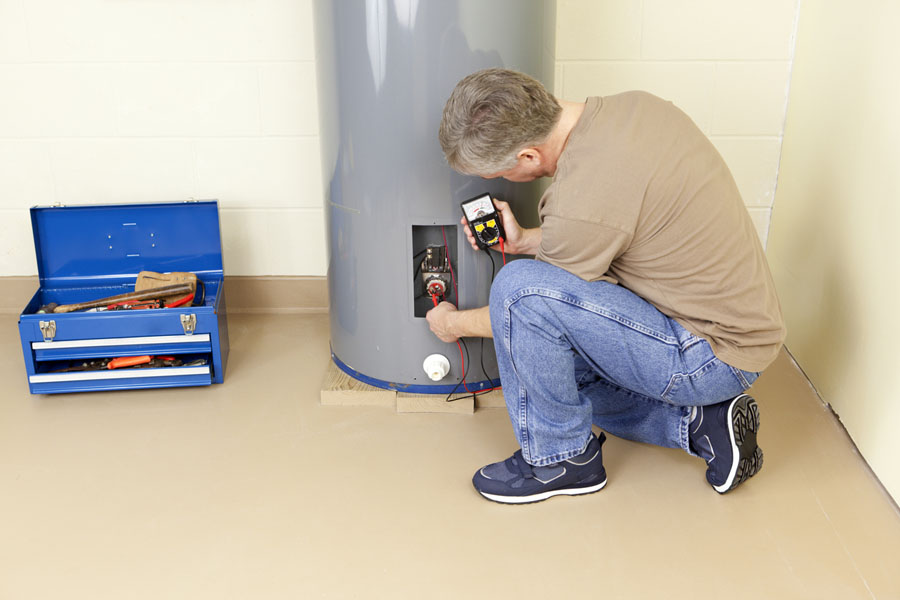
Cold showers, inconsistent water temperatures, and puddles around the tank are signs that a water heater needs attention. King of Home Solutions provides water heater repair in Jacksonville, FL, for homeowners who need clear answers and a practical solution.
Our residential plumbing team inspects the system, identifies the source of the problem, and explains whether a repair can restore reliable hot water. No pushy sales tactics. We don't recommend replacement when your existing equipment still has useful life. Repair works are based on the condition of your water heater and the needs of your home.
What You Can Expect
Careful troubleshooting for tank and tankless water heaters
Straightforward explanations and honest repair recommendations
Solutions based on your system, household needs, and budget
Respectful residential service from a trusted local team
4.9 ⭐
Google Rating
BBB
Accredited Business
Locally-Owned & Operated
Same-Day Service Available
Proudly Serving the Jacksonville Area
5151-5 Sunbeam Road Jacksonville, FL 32257
Call 904-865-4663
RELIABLE WATER HEATER REPAIR BACKED BY HAPPY CLIENTS
See how our dependable water heater repair services have helped local homeowners restore reliable hot water, comfort, and peace of mind.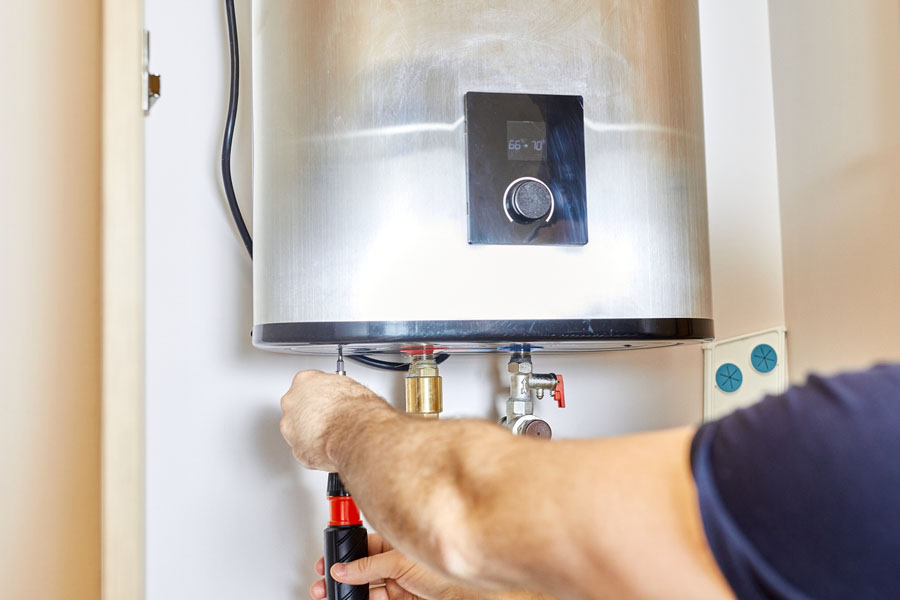

Is Your Water Heater Struggling to Keep Up?
A water heater does not always stop working without warning. Many problems begin with smaller changes that become easier to notice over time.
A shower may turn cold several minutes earlier than usual. The water may take longer to warm up in the morning. A tank in the garage may begin making a low rumbling sound, or a small wet area may appear near one of its connections.
These symptoms can come from several different problems. A failed heating element, worn thermostat, loose valve, burner issue, sediment buildup, or deteriorating tank can all affect hot water performance. Because the symptoms often overlap, replacing a part without testing the system can waste time and money.
Water heater repair begins with a proper diagnosis. Our team checks the components connected to the problem and looks at the overall condition of the system. Once the issue is clear, we explain what can be repaired and whether that repair is likely to provide dependable results.
What Does Water Heater Repair Include?
Water heater repair involves more than checking whether the tank turns on. The system must be inspected under the conditions that are causing the problem.
Depending on the equipment and symptoms, service may include checking:
- Heating components and temperature controls
- Electrical wiring or gas connections
- Burners, ignition parts, or flame sensors
- Supply lines, fittings, and shutoff valves
- Temperature and pressure relief components
- Tank condition and visible corrosion
- Venting on applicable gas systems
- Water temperature and recovery performance
- Error codes and sensors on tankless models
- Leaks around the unit and nearby plumbing
After testing, the technician explains which component has failed, whether other damage is present, and what the recommended repair involves.
Homeowners should expect straightforward information before moving forward. If the tank is sound and the problem involves a serviceable component, repair may be the sensible choice. If the tank is leaking or severely deteriorated, replacing the system may provide better long-term value.
Common Signs of Water Heater Problems
Hot Water Runs Out Earlier Than It Used To
A water heater that once handled back-to-back showers may begin turning cold after only one. This often happens when part of the system is still working but can no longer heat the full supply effectively.
Possible causes include a failed electric heating element, thermostat trouble, internal buildup, or a damaged dip tube. Increased household demand can also affect supply, but a sudden change in performance should be inspected.
The Water is Warm but Never Hot
Lukewarm water may indicate that the heater is operating without reaching the correct temperature. A thermostat, heating element, burner, gas control, or another component may be preventing normal operation.
Repeatedly raising the temperature setting is not a dependable fix. It may not correct the failure and could produce dangerously hot water if the affected component begins working intermittently.
There Is No Hot Water
A complete loss of hot water can result from an electrical failure, tripped safety control, damaged element, ignition problem, gas supply issue, or failed control.
Homeowners can confirm whether other utilities are working, but internal electrical and gas testing should be handled professionally. Repeatedly resetting a water heater without knowing why it stopped can create additional risks.
The Tank is Making Popping or Rumbling Sounds
Popping, rumbling, or crackling sounds often develop when material collects at the bottom of a storage tank. Water trapped beneath the buildup may make noise as the unit heats.
The sound does not automatically mean the tank needs replacement. However, it may indicate that the system is working harder or that internal conditions are affecting performance.
Water is Appearing Around the Unit
Moisture near a water heater may come from a loose fitting, supply line, drain valve, relief valve, nearby pipe, or the tank itself.
A fitting or external valve may be repairable. Water leaking through the tank body is a more serious problem because the internal vessel cannot usually be restored with a standard repair.
Hot Water Looks Rusty or Discolored
Discoloration limited to hot water may be related to corrosion, mineral accumulation, aging internal components, or the condition of the tank.
Check both hot and cold fixtures. If the discoloration appears throughout the home on both sides, the source may be in the water supply or piping rather than the water heater alone.
Water Temperature Changes During Use
Sudden changes from hot to cold can make showers uncomfortable and potentially unsafe. Temperature controls, heating components, mixing valves, fixture problems, and household demand can all contribute.
A system evaluation can determine whether the problem begins at the water heater or at a specific fixture.
What Causes Water Heater Problems?
Failed Heating Elements or Burners
Electric storage water heaters commonly use upper and lower heating elements. When one fails, the tank may produce some hot water but run out quickly.
Gas models rely on burners, ignition components, and controls. A problem in that system can prevent the burner from lighting or maintaining heat.
Faulty Thermostats and Controls
Temperature controls tell the water heater when to begin and stop heating. When they fail, the water may remain lukewarm, become unusually hot, or change temperature without warning.
Sediment Inside the Tank
Material can settle inside a storage tank over time. A heavy layer may take up usable space, reduce heat transfer, and contribute to popping or rumbling noises.
Whether flushing is appropriate depends on the tank’s age and condition. An older, heavily deteriorated unit should be inspected before aggressive maintenance is attempted.
Worn Valves and Connections
Supply fittings, flexible connectors, drain valves, and pressure-related components can loosen or wear out. A slow drip may seem minor, but it can damage drywall, flooring, storage, or nearby equipment if it continues.
Corrosion and Tank Deterioration
Protective components help slow internal corrosion, but no storage tank lasts indefinitely. Rust near the base, seams, fittings, or connections should be evaluated before the damage progresses.
Water heaters installed in hot, non-conditioned Jacksonville garages may also develop visible surface rust or moisture around fittings that can be overlooked when the area is crowded with storage.
Electrical, Gas, or Venting Problems
Damaged wiring, repeated breaker trips, poor ignition, fuel-control issues, or unsafe venting can prevent normal operation.
A gas odor, scorching, melted wiring, or repeated safety shutdowns should be treated as an urgent concern. Stop using the unit and arrange professional service.
What Should You Do If the Water Heater is Leaking?
A leaking water heater can damage nearby surfaces quickly, especially when the unit is installed beside interior walls, stored belongings, or other household equipment.
Take the following precautions:
- Keep children and pets away from the wet area.
- Do not touch electrical equipment while standing in water.
- Avoid opening panels or attempting to tighten electrical components.
- Shut off the water supply only when the valve is accessible and it is safe to do so.
- Stop using the system if there is a gas odor, damaged wiring, or visible scorching.
- Move nearby belongings away from the leak when this can be done safely.
- Schedule professional plumbing service as soon as possible.
The source matters. A leaking connection may require a focused repair, while water coming from the tank body generally indicates that the unit needs replacement.
Our Water Heater Repair Process
Tell Us What You Have Noticed
When scheduling service, describe when the problem began and what is happening now. Useful details include how long the hot water lasts, whether the unit makes noise, whether an error code is showing, and where moisture has appeared.
Before the appointment, clear stored items away from the water heater when possible. Safe access helps the technician inspect the unit, valves, connections, and surrounding area.
We Inspect and Test the System
The technician evaluates the water heater based on its fuel type, design, and symptoms. This may involve testing heating elements, thermostats, controls, ignition parts, sensors, valves, wiring, venting, and water temperature.
The surrounding plumbing is also checked when the source of a leak or temperature problem is unclear.
We Explain What the System Needs
Once the problem is identified, we explain the findings in plain language. You will know which part has failed, what the repair involves, and whether the tank’s condition affects the recommendation.
When repair and replacement are both reasonable, we help you compare the options rather than pushing one solution.
We Complete the Approved Work
After you approve the repair, the technician completes the work carefully and keeps the area as clean as possible.
Depending on the diagnosis, the repair may involve a heating element, thermostat, valve, connector, ignition component, sensor, control, or another serviceable part.
We Verify Safe Operation
The system is tested after the repair to confirm that it heats correctly, maintains a stable temperature, and shows no visible leakage.
The technician will also explain anything that should be monitored and whether maintenance could help support future performance.
Water Heater Repair vs. Replacement
The presence of a problem does not automatically mean that a new water heater is needed. The decision should consider what failed, the condition of the tank, and how well the system still serves the household.
Repair May Be the Right Choice When:
- The tank itself is not leaking
- The problem involves a replaceable component
- Corrosion is limited
- The unit has not required repeated repairs
- Compatible parts remain available
- The system still meets the home’s hot water demand
A failed element, thermostat, ignition part, valve, or connection can often be repaired when the rest of the system remains in usable condition.
Replacement May Be More Practical When:
- Water is leaking from the tank body
- Structural corrosion is visible
- The system has broken down several times
- Multiple major components are deteriorating
- The tank no longer provides enough hot water
- Repair costs are becoming difficult to justify
- The existing installation has serious safety concerns
Replacement may also be worth considering when household needs have changed. A growing family in St. Johns County, for example, may have more hot water demand than an older tank was selected to handle. Restoring that heater to its original output would not increase its capacity.
Homeowners comparing options can also consider a traditional replacement or a tankless water heater based on available space, utilities, usage patterns, and budget.
When a Water Heater Cannot Be Repaired
A repair can restore a failed component, but it cannot correct every hot water problem.
A Leaking Tank Body
Water escaping through the tank itself usually means the internal vessel has failed. Replacing an exterior fitting will not stop a structural tank leak.
Severe Internal Corrosion
New controls or heating parts cannot rebuild a badly deteriorated tank. Repairing one component may only delay another failure when corrosion is advanced.
A System That Is Too Small
Repair can return a water heater to its designed performance, but it cannot increase storage capacity. A larger tank or different system may be needed when household demand has outgrown the equipment.
Problems Located Elsewhere in the Plumbing
A faulty shower valve, damaged fixture, crossed connection, or hidden plumbing problem can create symptoms that resemble water heater trouble.
For example, a Jacksonville homeowner may notice that one upstairs shower turns cold while every sink and other shower continues receiving steady hot water. If the water heater tests normally, the problem may be isolated to that shower valve. Replacing water heater parts would not correct it.
Proper diagnosis helps prevent homeowners from paying for the wrong service.
Water Heater Problems Seen in Jacksonville-Area Homes
Water heaters are installed in different parts of the home, and their location can affect how quickly a problem is noticed.
In many Jacksonville homes, the unit is located in an attached garage. A slow leak can spread beneath boxes or stored items before reaching an open area. If the garage shares a wall with an interior room, moisture may also affect baseboards, drywall, or flooring nearby.
Closet installations create a different concern. Limited space can make valves difficult to reach and may allow small leaks to damage surrounding materials before they become visible.
Newer homes in communities such as Nocatee and St. Johns may have tankless systems or higher hot water demand from multiple bathrooms. Older homes in Duval County may still rely on aging electric storage tanks that show gradual heating, noise, or corrosion problems.
King of Home Solutions also serves homeowners in:
- Ponte Vedra
- World Golf Village
- and communities throughout Clay County.
Local familiarity matters because system type, installation location, home layout, and household demand all affect the right repair decision.
Why Choose King of Home Solutions?
King of Home Solutions focuses exclusively on residential service. That means every appointment is approached with the homeowner, living space, daily routine, and long-term needs in mind.
Our team provides:
- Straightforward recommendations without pushy sales tactics
- Transparent service options before work begins
- Respect for the home, schedule, and work area
- Help comparing repair and replacement when needed
- Local accountability from a Jacksonville-based company
- Access to related plumbing services when the issue extends beyond the water heater
Our 4.9 Google rating reflects feedback from local customers who value prompt arrivals, clear communication, professional service, and well-supported recommendations.
Related Services
AC Repair
Reliable Air Conditioning Repair Services You Can Count On
When your air conditioner breaks down in the Jacksonville heat, you need fast, dependable service from a team you trust.
Heat Pumps
Trusted Heat Pump Solutions for Year-Round Comfort
A reliable heat pump system is essential for maintaining efficient comfort throughout every season—and when you need service, you want a team you can count on.
Heating Installation
Expert Heating Installation Services for Year-Round Comfort
Installing a new heating system is one of the most important investments you can make in your home’s comfort and energy efficiency.
HVAC
Your One-Stop Source for Heating, Cooling, and Air Quality Solutions
Keeping your home comfortable year-round requires more than just heating and cooling—it takes expert care, responsive service, and reliable HVAC solutions.

Frequently Asked Questions

Get Your Hot Water Working Again
A water heater problem should not leave your household guessing about what comes next. King of Home Solutions can inspect the system, explain what is wrong, and recommend a repair that makes sense for the condition of the equipment. When the tank cannot be repaired responsibly, our team can also help you understand the available replacement options without pressure. For water heater repair in Jacksonville, FL, call 904-865-4663 or schedule service online. Let our local residential plumbing team restore dependable hot water and help get your routine back on track.