Serving The Jacksonville Area


Furnace Starts Then Shuts Off After a Few Seconds: What Causes It?
Furnace Starts Then Shuts Off After a Few Seconds: What Causes It?
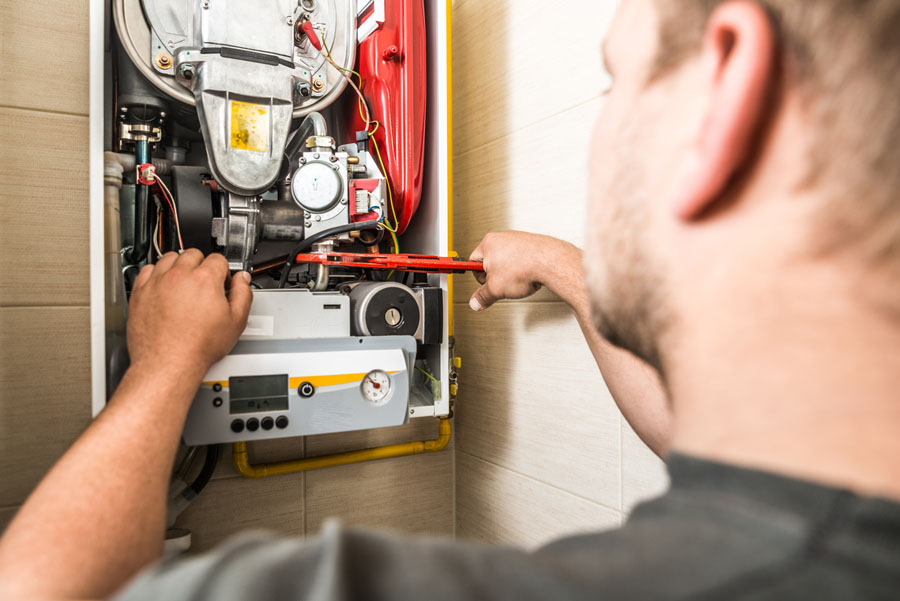
When a furnace starts then shuts off after a few seconds, the problem may involve a faulty flame sensor, ignition failure, a safety-control interruption, or an electrical issue. Restricted airflow and thermostat problems can also interrupt heating, although they may produce different shutdown patterns. Homeowners can safely check thermostat settings and accessible air filters, but internal furnace repairs require professional diagnosis.
In Jacksonville, FL, heating systems may remain unused during much of the year before cooler weather arrives. When a furnace suddenly begins turning on and off without heating the home, it can be difficult to know what is happening. At King of Home Solutions, we help homeowners identify startup failures, explain the likely causes, and recommend repairs that restore safe, consistent heating.
Quick Answer: Why Does My Furnace Start and Then Shut Off?
A furnace that starts and immediately shuts down may be responding to a problem detected during its startup sequence.
Modern gas furnaces use multiple controls to verify that the equipment can operate safely. If an important condition is not met, the furnace may stop the ignition process or shut off the burners.
The most common possibilities include:
- Flame sensor problems: The burners may ignite, but the control system cannot confirm that a flame is present.
- Ignition failure: A malfunctioning igniter or another ignition-related component may prevent normal combustion.
- Airflow restrictions: A clogged filter or other restriction may cause overheating after the furnace begins producing heat.
- Safety-control interruptions: Pressure switches, high-temperature limits, and other safety devices can prevent continued operation.
- Thermostat problems: Incorrect settings or unstable control signals may interrupt the heating request.
- Electrical or control-board failures: Faulty internal components may prevent the startup sequence from completing.
The timing of the shutdown can provide an important clue.
If the burners light and then shut off within several seconds, flame-sensing problems are one possibility.
If the furnace runs for several minutes before stopping, overheating or airflow restrictions may be more likely.
If the furnace never ignites, the issue may involve ignition controls, venting safety checks, or electrical components.
However, these patterns are clues rather than confirmed diagnoses.
Homeowners should not repeatedly restart a furnace that continues shutting down. Repeated failures may indicate a safety condition that requires professional attention.
What Happens During a Normal Furnace Startup?
Understanding the normal heating sequence makes it easier to recognize abnormal behavior.
A furnace does not simply receive a thermostat command and immediately begin blowing hot air.
It follows a controlled process designed to establish safe combustion and distribute heat.
Step 1: The Thermostat Requests Heat
When the indoor temperature drops below the selected setting, the thermostat sends a heating request to the furnace.
The furnace control system begins its startup sequence.
Step 2: The Furnace Performs Safety Checks
In a typical modern gas furnace, the control system checks certain operating conditions before allowing ignition.
These checks may involve venting, pressure switches, and other safety-related components.
The exact sequence depends on the manufacturer and model.
Step 3: The Inducer Motor Starts
Many gas furnaces use an inducer motor to help move combustion gases through the venting system.
A homeowner may hear a small motor starting before the burners ignite.
Step 4: The Ignition System Activates
The igniter begins the process of lighting the burners.
Some furnaces use hot-surface ignition, while others use different ignition systems.
Step 5: The Burners Ignite
Once the appropriate conditions are met, the furnace allows the gas burners to light.
The control system then verifies that a flame has been established.
Step 6: The Blower Delivers Warm Air
After the heat exchanger warms sufficiently, the circulating blower moves heated air through the ductwork.
The home gradually approaches the thermostat setting.
Step 7: The Heating Cycle Ends
When the requested temperature is reached, the thermostat ends the heating call.
The burners shut off, and the blower may continue briefly to move remaining heat through the system.
What If the Sequence Stops Early?
A shutdown can happen at different stages.
For example:
- The inducer may start, but ignition never occurs.
- The burners may light and shut off seconds later.
- The furnace may heat briefly before a safety control interrupts operation.
- The blower may continue even though the burners are no longer operating.
These differences help technicians determine which systems need closer examination.
Homeowners can describe the sounds and timing they notice without opening the equipment.
Can a Flame Sensor Cause Immediate Shutdown?
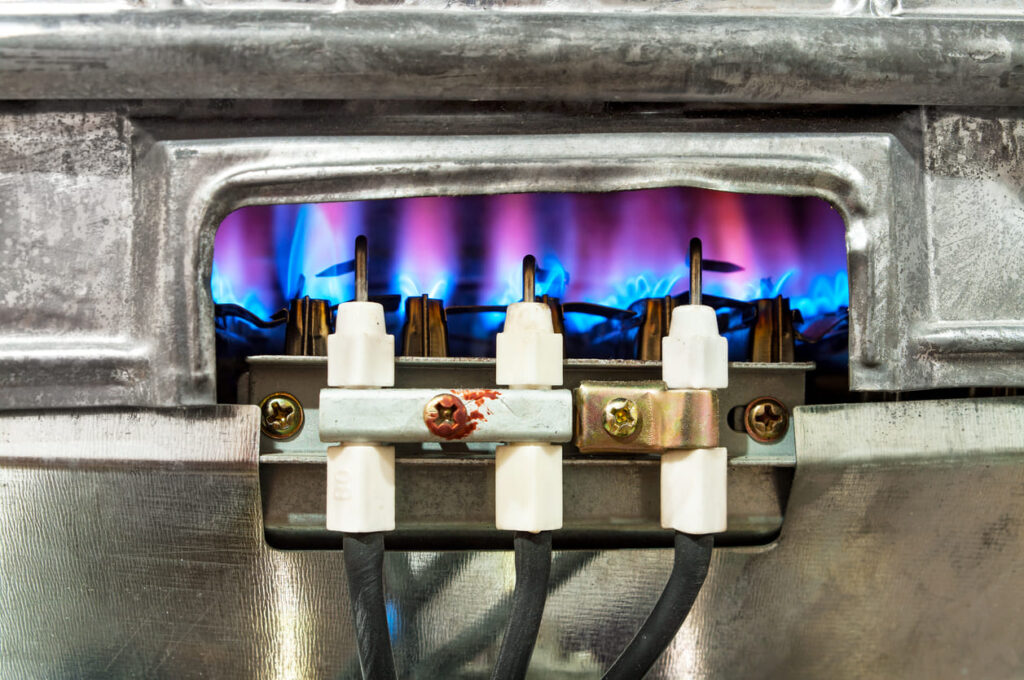
Yes. A flame-sensing problem is a common possible cause when a gas furnace ignites but shuts off almost immediately.
A flame sensor is part of the furnace’s combustion safety system.
Its purpose is to confirm that the burners have established a flame.
Why Flame Detection Matters
When the gas valve opens, the furnace must verify that combustion is occurring as expected.
If the system cannot confirm a flame, it must stop the gas supply.
This helps prevent unsafe gas accumulation.
What Happens When the Sensor Malfunctions?
The burners may ignite normally.
However, the control board may fail to receive the expected flame signal.
The furnace then shuts off the gas supply, often within several seconds.
This can create a familiar pattern:
- The thermostat requests heat.
- The furnace begins its startup sequence.
- The burners ignite.
- The flames disappear shortly afterward.
- The furnace may attempt another startup.
This pattern can point toward flame-sensing problems, but it does not prove the sensor itself is defective.
What Causes Flame-Sensing Problems?
Possible issues include:
- A contaminated flame sensor.
- A damaged sensor.
- Poor electrical grounding.
- Wiring problems.
- An unstable flame.
- A malfunctioning furnace control.
Can a Homeowner Clean the Flame Sensor?
Flame sensor inspection and cleaning should be performed by a qualified HVAC technician.
Although online tutorials may describe removing and cleaning the sensor, the procedure involves accessing internal combustion and electrical components.
Incorrect handling can damage parts or interfere with safe furnace operation.
What Happens During Professional Diagnosis?
A technician can inspect the sensor, evaluate the flame signal, check related connections, and determine whether cleaning, repair, or replacement is appropriate.
If the sensor is functioning correctly, further investigation may be needed.
A furnace that lights and shuts off within seconds is not automatically experiencing a flame sensor failure.
How Ignition Problems Can Interrupt the Heating Cycle
A furnace may begin its startup sequence without successfully igniting the burners.
To the homeowner, this can sound as though the system is trying to start but repeatedly gives up.
The exact cause may involve the igniter, gas delivery, control signals, or another part of the ignition sequence.
Failed Hot-Surface Igniter
Many modern gas furnaces use a hot-surface igniter.
The component heats to a temperature that allows combustion to begin when the furnace control permits gas flow.
If the igniter fails, the burners may not light.
The furnace may stop the attempt and initiate another sequence according to its controls.
Ignition Control Problems
The furnace’s control system coordinates the ignition process.
A faulty control component may prevent ignition from beginning or completing properly.
Gas Supply Problems
If fuel is unavailable or cannot be delivered correctly, the burners may fail to ignite.
However, homeowners should not attempt to diagnose internal gas valves or connections.
Pressure-Switch or Venting Problems
Many furnaces verify appropriate combustion-air and venting conditions before allowing ignition.
If these conditions are not satisfied, the control may prevent the burners from lighting.
The problem might involve venting, the inducer, a pressure-sensing component, or another condition.
What Might Homeowners Notice?
Possible symptoms include:
- A brief humming or motor sound.
- Clicking during an attempted startup.
- No noticeable warm air.
- Several attempts to begin heating.
- A furnace that eventually stops trying.
- A thermostat that continues requesting heat.
These observations may help identify which portion of the sequence is failing.
Why Repeated Restarting Is Not Recommended
Some furnaces enter a safety lockout after repeated unsuccessful ignition attempts.
This is an intended protective response.
Repeatedly switching the thermostat or furnace power off and on does not correct the underlying fault.
If the furnace repeatedly fails to ignite, professional service is appropriate.
Can Airflow Restrictions Trigger a Safety Shutdown?
Yes. Restricted airflow can cause a furnace to overheat and activate a protective shutdown.
However, airflow-related shutdowns often occur after the furnace has been heating for some time rather than within the first few seconds of ignition.
This distinction can help narrow the possibilities.
How Airflow Supports Furnace Operation
The furnace blower moves indoor air across the heat exchanger.
That air absorbs heat and travels through the home’s ductwork.
Proper airflow helps keep the furnace within its intended temperature range.
What Happens When Airflow Is Restricted?
If insufficient air passes through the equipment, heat can accumulate.
The furnace temperature may rise beyond the normal operating range.
A high-temperature limit control may then interrupt burner operation.
Dirty Air Filters
A severely clogged filter is one possible source of restricted airflow.
A filter that has collected excessive dust may reduce the volume of air passing through the system.
Blocked Return-Air Pathways
Furniture, storage boxes, or other objects blocking accessible return grilles may interfere with airflow.
Blower Problems
A malfunctioning blower motor or related component may prevent the system from moving enough air.
Ductwork Restrictions
Certain ductwork problems can also affect airflow.
These require professional evaluation when the cause is not obvious from ordinary homeowner-accessible areas.
What Does an Overheating Shutdown Look Like?
The furnace may:
- Produce warm air initially.
- Stop heating before reaching the thermostat setting.
- Continue running the blower after the burners shut off.
- Restart after cooling.
- Repeat the pattern.
This behavior should not be treated as normal.
Can Replacing the Filter Fix It?
If a dirty filter is contributing to restricted airflow, replacing it with the correct filter may help.
However, a furnace that continues shutting down should be professionally evaluated.
A repeated high-limit shutdown may indicate an unresolved airflow or equipment problem.
How Limit Switches and Other Safety Controls Affect Operation
Modern furnaces include several protective devices.
These controls are designed to prevent operation when certain unsafe or abnormal conditions are detected.
A furnace that stops shortly after startup may be responding to one of these controls.
High-Temperature Limit Switch
The high-limit switch helps protect the furnace from overheating.
If temperatures exceed the intended operating range, it may interrupt burner operation.
This type of shutdown often follows a period of heating rather than occurring immediately after ignition.
Pressure Switch
A pressure switch helps verify certain combustion-air or venting conditions on many gas furnaces.
If the expected condition is not established, the furnace may stop the ignition sequence.
Flame Safety Control
The flame-sensing system verifies that combustion is present when gas is being supplied.
If the flame cannot be confirmed, the furnace shuts off the gas valve.
Rollout Safety Switches
Certain furnaces include flame rollout safety switches.
These respond to abnormal conditions involving combustion or heat outside the intended burner area.
A rollout-related shutdown may indicate a serious problem requiring professional investigation.
Why Safety Controls Should Never Be Bypassed
A safety switch is not merely an inconvenient component that prevents the furnace from heating.
It may be responding to a hazardous condition.
Bypassing or forcing a safety device to remain closed can create serious risks.
What About Fault Codes?
Some furnaces display diagnostic codes through an accessible control interface or thermostat.
If a code can be viewed without removing an equipment panel, homeowners can record it.
However, error codes are starting points for diagnosis rather than complete repair instructions.
What Should a Technician Check?
A professional may evaluate the sequence of operation, safety-control signals, airflow, combustion conditions, and relevant electrical components.
The exact process depends on the equipment.
Replacing a safety switch without identifying why it activated may fail to address the real problem.
Can Thermostat Problems Cause Short Startup Cycles?
Yes. Thermostat settings or control problems can sometimes interrupt heating requests.
However, a furnace whose burners ignite and shut off almost immediately is not necessarily experiencing a thermostat problem.
That specific pattern often points toward the furnace’s startup or flame-verification sequence.
Incorrect Temperature Settings
If the thermostat reaches the selected temperature, it may stop requesting heat.
A system that runs briefly because the room is already warm may be operating normally.
Heating Mode Not Selected
The thermostat should be set to Heat when heating is needed.
An incorrect mode can prevent a normal heating request.
Programmed Schedules
Smart and programmable thermostats may adjust temperatures automatically.
An unexpected schedule change can make furnace operation appear inconsistent.
Thermostat Battery Problems
Some thermostats use replaceable batteries.
Weak batteries may cause display or control issues.
Control Communication Problems
Thermostat wiring, communication systems, or internal thermostat components may develop faults.
These problems can interrupt the heating command.
Thermostat Placement
A thermostat exposed to unusual heat sources or drafts may respond to temperatures that do not represent the rest of the home.
This can contribute to unusual cycling.
Safe Homeowner Checks
Homeowners can confirm:
- The thermostat is set to Heat.
- The temperature setting is appropriate.
- The schedule matches the intended operation.
- The display is working.
- Replaceable batteries are not depleted.
Internal wiring and control testing should be handled professionally.
At King of Home Solutions, our Thermostat Services include troubleshooting, calibration checks, repairs, and replacement when necessary.
What Signs Point to a More Serious Furnace Problem?
Not every brief furnace cycle indicates a major failure.
However, certain symptoms require additional caution.
Repeated Failed Ignition Attempts
A furnace that repeatedly tries to ignite without producing sustained heat may have an ignition or safety-control problem.
Burning Odors
A strong or persistent burning smell may indicate overheating or electrical trouble.
If the smell is unusual or does not resolve, stop operating the equipment and arrange professional evaluation.
Gas Odors
The smell of natural gas or another suspected fuel-gas leak requires immediate action.
Leave the building, avoid using switches or electrical devices inside, and contact the gas utility or emergency services from a safe location.
Carbon Monoxide Alarm Activation
A carbon monoxide alarm is an emergency warning.
Follow the alarm’s instructions, leave the building, and contact emergency services.
Do not continue operating the furnace.
Unusual Mechanical Noises
Loud banging, grinding, or scraping can indicate mechanical damage.
These sounds should not be ignored.
Repeated Breaker Trips
A breaker that trips repeatedly may indicate an electrical fault.
Homeowners should not repeatedly reset it or attempt internal electrical repairs.
Furnace Lockout
A furnace that stops attempting to heat after several failures may have entered a protective lockout.
The underlying cause needs attention.
Weak or No Heat
If the system repeatedly starts and stops without maintaining the indoor temperature, its operation is not meeting the heating demand.
Why Prompt Evaluation Matters
Some startup failures involve relatively small components.
Others may be connected to venting, combustion, or electrical conditions.
A professional diagnosis helps determine which type of problem is present.
What Can Homeowners Safely Check?
Homeowners can perform a few basic checks before calling for repair.
These steps do not require opening the furnace, handling gas components, or testing electrical circuits.
1. Check the Thermostat Mode
Confirm that the thermostat is set to Heat.
Make sure the temperature setting is above the current room temperature.
2. Review the Thermostat Schedule
If the thermostat is programmable or connected to an app, confirm that an automatic schedule is not unexpectedly ending the heating request.
3. Check Thermostat Batteries
If the thermostat uses standard replaceable batteries, install the correct replacements according to the manufacturer’s instructions.
4. Inspect the Air Filter
If the air filter is safely accessible and designed for homeowner replacement, check whether it is heavily clogged.
Replace it with the correct size and appropriate type when needed.
5. Check Accessible Vents
Make sure furniture, boxes, or other objects are not blocking supply and return grilles.
Do not dismantle ductwork or equipment.
6. Observe the Startup Pattern
Without opening the furnace, note:
- Whether a motor sound begins.
- Whether the system attempts to heat.
- Approximately how quickly it shuts off.
- Whether the blower starts.
- Whether the problem repeats.
- Whether the thermostat shows an alert.
7. Note Recent Power Problems
If the issue started after a power interruption or storm, share that information with the technician.
8. Review Accessible Thermostat Messages
Record any fault notifications that appear on a user-facing display.
Avoid removing furnace panels to access internal diagnostic lights.
What Should Homeowners Avoid?
Do not:
- Remove burner compartment panels.
- Handle gas valves or connections.
- Clean or replace flame sensors.
- Test igniters.
- Bypass pressure or limit switches.
- Touch live electrical components.
- Modify venting components.
- Repeatedly reset the furnace after failed starts.
- Attempt internal control-board repairs.
If the furnace continues shutting down after basic checks, a professional examination is the safest next step.
When Should You Stop Troubleshooting?
A furnace that repeatedly fails to complete startup should not be treated as a harmless inconvenience.
Some problems require immediate action.
Stop Immediately if Gas Is Suspected
If there is a gas odor, leave the area and follow emergency gas-safety procedures.
Do not attempt to inspect or repair the equipment.
Stop if a Carbon Monoxide Alarm Sounds
Leave the home and contact emergency services.
A carbon monoxide alarm should never be dismissed as a routine furnace problem.
Stop if Electrical Warning Signs Appear
Sparks, smoke, strong burning odors, or repeated breaker trips require professional attention.
Stop if the Furnace Repeatedly Fails to Ignite
Multiple unsuccessful attempts may indicate a problem with ignition or combustion safety controls.
Do not continue forcing restarts.
Stop if Safety Lockout Occurs
A lockout may indicate that the furnace has detected repeated operating failures.
The system needs appropriate diagnosis rather than repeated resetting.
Stop if the Equipment Makes Severe Mechanical Noises
Grinding, scraping, or loud abnormal noises may indicate mechanical damage.
Stop if the Home Cannot Maintain Safe Temperatures
Jacksonville winters are generally mild, but some cold nights can still create uncomfortable or unsafe indoor conditions.
Households with infants, older adults, or other vulnerable occupants should arrange suitable temporary heating or another safe location if the system cannot maintain an appropriate temperature.
Do not use ovens, outdoor grills, or fuel-burning equipment intended for outdoor use to heat the home.
Professional evaluation is the appropriate response when the furnace’s safety or operating condition is uncertain.
When to Call a Heating Technician
A heating technician should inspect the furnace when it repeatedly begins its startup sequence but shuts down before providing sustained heat.
The timing of the shutdown helps guide diagnosis, but it does not replace testing.
Call When the Burners Ignite and Immediately Go Out
This pattern may involve flame sensing, unstable combustion, or a control issue.
Call When the Furnace Never Ignites
Ignition components, safety checks, or fuel-related problems may be preventing startup.
Call When the Furnace Stops After Several Minutes
Airflow restrictions, overheating, or other protective controls may be involved.
Call When the Blower Runs but No Heat Develops
The furnace may be experiencing an ignition, control, or safety-related problem.
Call When Thermostat Settings Appear Correct
If the thermostat requests heat but the furnace cannot complete its startup sequence, further evaluation is necessary.
Call When the Problem Returns
An intermittent failure that repeatedly disappears and returns should still be investigated.
What Happens During Professional Diagnosis?
A technician may evaluate:
- Thermostat signals.
- Furnace startup sequence.
- Ignition and flame-sensing operation.
- Combustion and venting safety.
- Airflow and filter condition.
- Temperature limit controls.
- Relevant electrical components.
- Fault codes and equipment history.
The technician then determines the appropriate repair based on the findings.
At King of Home Solutions, we explain the problem and recommended work before completing approved repairs.
Furnace Repair in Jacksonville
Jacksonville homeowners may not run their furnaces as frequently as households in northern states.
However, heating equipment still needs to operate reliably when colder weather arrives.
A furnace that has remained inactive for months may reveal an ignition, control, or airflow problem during its first sustained heating cycle.
At King of Home Solutions, we provide heating system diagnosis and repair throughout Jacksonville and nearby communities.
Diagnosing Furnace Startup Problems
Our technicians examine the system’s startup behavior to determine why it cannot maintain a normal heating cycle.
Whether the problem involves flame sensing, ignition, airflow, or another control issue, we evaluate the relevant components before recommending repairs.
Ignition and Heating Repairs
Our Heating Repair services include diagnosing ignition problems, blower motor issues, thermostat faults, and other heating system failures.
Thermostat Troubleshooting
A thermostat that sends inconsistent signals can interfere with normal heating.
Our Thermostat Services cover calibration, communication issues, repairs, and replacements.
Clear Repair Recommendations
After identifying the cause, we explain the findings and available repair options.
A furnace that shuts down immediately does not automatically need replacement.
However, the correct repair depends on the age, condition, and specific failure of the equipment.
Local Heating Service
We serve Jacksonville and nearby communities, including Mandarin, Arlington, Riverside, San Marco, Jacksonville Beach, and other areas throughout Duval County.
Our team works with different types of heating systems and provides recommendations suited to the equipment installed in each home.
If your furnace starts then shuts off after a few seconds, we can help identify why the heating cycle is being interrupted.
FAQs About Furnaces That Shut Off After Starting
Why does my furnace start and shut off after three seconds?
A flame-sensing problem is one possible cause when the burners ignite and shut off within seconds. Ignition, combustion, or control issues can produce similar symptoms.
Can a dirty flame sensor cause my furnace to shut off immediately?
Yes. A contaminated or faulty flame sensor may prevent the furnace control from confirming that a flame is present. Professional testing is needed to verify the cause.
Why does my furnace click but never stay on?
Clicking may be associated with an ignition attempt or electrical control operation. The furnace may have an igniter, safety-control, or related startup problem.
Can a dirty air filter cause immediate furnace shutdown?
A severely clogged filter can contribute to overheating and safety shutdowns. However, this usually occurs after some heating rather than within the first few seconds of ignition.
Is it safe to keep restarting a furnace that shuts off?
Repeated restarting is not recommended when the furnace continues failing. Safety controls may be responding to an unresolved problem that requires professional diagnosis.
Can a thermostat make a furnace start and stop quickly?
Yes. Incorrect settings, unstable signals, or thermostat faults can interrupt heating. However, an immediate burner shutdown may indicate a furnace-side problem.
Does a furnace that shuts off after starting need replacement?
Not necessarily. Many startup problems can be repaired. Replacement depends on the equipment’s age, condition, repair costs, and overall reliability.
Should Jacksonville homeowners repair a furnace that only runs a few months a year?
Yes. Even occasional heating equipment needs safe, dependable operation. Repeated startup failures should be evaluated before continued use.
When the Furnace Won’t Stay On, King of Home Solutions Can Find Out Why
A furnace that begins heating and shuts down moments later is not operating as intended.
The cause may involve flame sensing, ignition, airflow, thermostat signals, or another safety-related condition.
While homeowners can check basic thermostat settings and accessible filters, internal furnace components require trained diagnosis.
At King of Home Solutions, we help Jacksonville homeowners identify why their furnaces fail to complete the startup sequence.
Our technicians inspect the system, evaluate the relevant controls, and recommend repairs based on the actual problem.
If the furnace repeatedly shuts down after ignition, fails to deliver heat, or enters a protective lockout, professional service can help prevent unnecessary guesswork.
Get Your Furnace Running Normally With King of Home Solutions
If your furnace starts then shuts off after a few seconds, contact us for professional heating repair in Jacksonville, FL.
Call (904) 865-4663 or visit our office at 5151-5 Sunbeam Road, Jacksonville, FL 32257.
Our team provides heating diagnostics, ignition troubleshooting, thermostat repairs, and other HVAC services for homeowners throughout the Jacksonville area.
Explore our Heating Repair Services or contact King of Home Solutions to request an appointment.
We identify what’s interrupting your heating cycle, explain the repair, and help restore dependable warmth to your home.
Recent News
Why North Florida Homes Are Switching to Heat Pumps in 2026

Top 5 Garage Door “Curb Appeal” Trends in Jacksonville: 2024 Edition
Braided Stainless Steel vs. Rubber Supply Lines: Is the “Flood Guard” Worth It?

5 Plumbing Upgrades That Can Increase a Jacksonville Home’s Resale Value