Serving The Jacksonville Area


Furnace Making a Buzzing Noise but Not Starting: What Does It Mean?
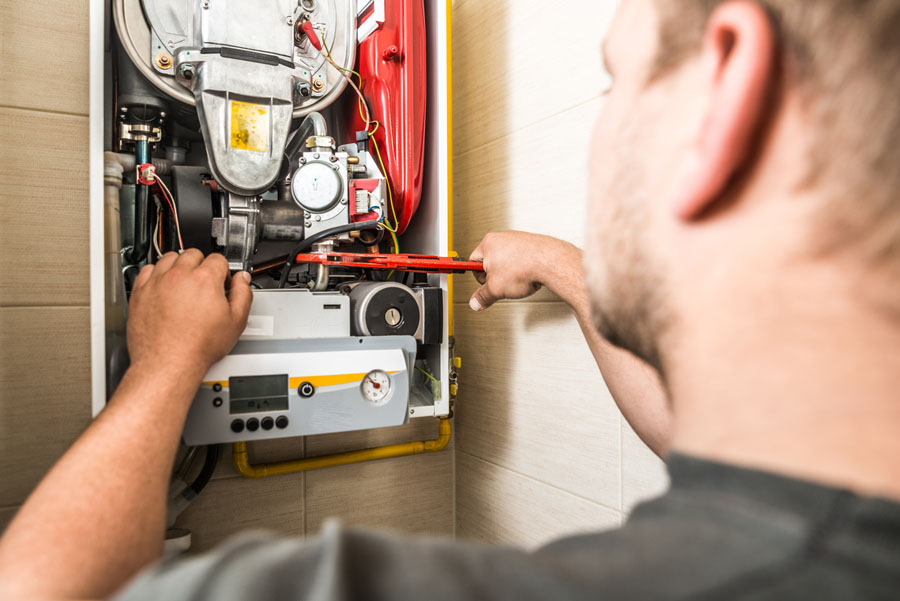
Furnace Making a Buzzing Noise but Not Starting: What Does It Mean?
A furnace buzzing but not starting may have a failing blower motor, faulty capacitor, malfunctioning relay, loose electrical connection, or another component preventing the heating system from completing its startup sequence. A brief hum can be normal for some equipment, but persistent buzzing without heat or airflow may indicate an electrical or mechanical problem that requires professional diagnosis.
In Orange Park, FL, furnaces may remain unused for much of the year before cooler weather arrives. When the heating system suddenly buzzes instead of starting, homeowners need to know which warning signs matter. At King of Home Solutions, we help identify furnace startup problems, explain the cause, and recommend appropriate repairs to restore safe, reliable heating.
Quick Answer: Why Is My Furnace Buzzing but Not Starting?
A furnace that buzzes but refuses to start may be receiving an electrical signal without successfully activating the component needed to begin heating.
The noise can originate from several parts of the system.
Common possibilities include:
- Failing blower motor: A motor may hum or buzz when it cannot start or operate correctly.
- Defective capacitor: On certain motor designs, a failed capacitor can prevent the motor from starting.
- Electrical transformer problems: A transformer may produce an unusually loud buzzing sound when damaged or improperly mounted.
- Faulty relays or contactors: Electrical switching components may buzz or chatter when they malfunction.
- Stuck mechanical components: A motor or related assembly that cannot rotate normally may produce a sustained humming sound.
- Control board problems: The furnace may receive the thermostat’s heating request but fail to complete the startup sequence.
- Inducer motor problems: A failing draft inducer may make noise before the furnace attempts ignition.
The important distinction is whether the furnace actually begins producing heat.
A low, steady operating hum may be part of normal equipment operation. However, buzzing accompanied by repeated failed starts, no warm airflow, or unusual electrical odors should not be ignored.
Homeowners can check the thermostat settings, inspect a safely accessible air filter, and observe whether the equipment responds.
They should never remove electrical panels, touch capacitors, or attempt to force a motor to start.
If the buzzing continues and the furnace does not run, professional service is the appropriate next step.
Where Can a Furnace Buzzing Noise Come From?
A furnace contains several electrical and mechanical components that operate during heating.
Some produce ordinary sounds. Others may generate an unusual buzz when a fault develops.
Identifying where the sound seems to originate can help a technician narrow the possibilities.
Near the Blower Compartment
The blower motor distributes heated air through the ductwork.
If the motor is struggling to start, a buzzing or humming sound may come from the lower or main equipment cabinet.
The exact location depends on the furnace design.
Near the Electrical Controls
Transformers, relays, and other electrical components may produce sounds when energized.
An unusually loud or persistent buzz can indicate a problem.
Near the Draft Inducer
Many gas furnaces use a smaller motor to support combustion venting before ignition.
If this motor cannot start correctly, the heating sequence may stop before the burners light.
Near the Ductwork
Loose metal panels or duct connections can vibrate.
This sometimes creates a buzzing or rattling sound.
However, duct vibration usually occurs while equipment is running and does not necessarily explain a complete startup failure.
Why the Sound’s Location Is Only a Clue
Noise travels through metal cabinets and ductwork.
A sound that appears to come from the blower compartment may originate from another nearby component.
Homeowners should not place their hands inside the furnace to locate it.
Instead, they can describe the sound and where it seems loudest when contacting a technician.
What Details Are Helpful?
Try to notice:
- Whether the sound begins immediately after the thermostat calls for heat.
- Whether it stops after a few seconds.
- Whether the blower produces airflow.
- Whether the furnace attempts to start repeatedly.
- Whether the noise is new or has become louder.
- Whether a thermostat error message appears.
These observations can help support a more efficient diagnosis.
Can the Blower Motor Cause Buzzing?
Yes. A malfunctioning blower motor is one possible explanation for a furnace that buzzes without starting normally.
The blower is responsible for moving conditioned air through the home’s ducts.
In many forced-air heating systems, the blower also operates during air conditioning.
This means the motor may experience substantial use throughout Orange Park’s long cooling season.
How a Blower Motor Normally Works
Once the furnace reaches the appropriate point in its heating cycle, the blower begins circulating air.
The motor drives a fan assembly that pushes air across the heat exchanger and through the supply ducts.
What Happens When the Motor Cannot Start?
A motor may receive power but fail to rotate normally.
Depending on its design and the nature of the failure, it may produce a humming or buzzing sound.
Possible underlying issues include worn motor components, electrical faults, or problems with associated controls.
Why the Motor Type Matters
Some older systems use permanent split capacitor motors.
Certain failures involving the motor’s capacitor can prevent normal startup.
Other systems use electronically commutated motors, commonly called ECM motors, with different electronic controls.
Those motors do not necessarily use the same external run capacitor arrangement.
Because motor designs vary, a buzzing furnace does not automatically need a capacitor replacement.
What Might Homeowners Notice?
Possible signs include:
- Little or no air coming from supply vents.
- A persistent hum near the indoor equipment.
- Unusual starting or stopping behavior.
- Heating that stops before the home warms.
- A furnace that enters a protective shutdown.
Can the Furnace Overheat Without the Blower?
Yes.
If a furnace produces heat without adequate airflow, temperatures can rise beyond the normal operating range.
Safety controls may shut off the burners.
A blower problem should therefore be addressed rather than ignored.
What Should Homeowners Avoid?
Never attempt to push, spin, or free a blower wheel manually.
Do not remove cabinet panels to inspect the motor.
Blower assemblies contain moving parts and electrical components that can cause injury.
A technician can determine whether the problem involves the motor, its power supply, or the controls responsible for operating it.
Can Electrical Components Cause a Furnace to Buzz?
Yes. Electrical problems can produce buzzing, humming, or chattering sounds.
Some furnace components generate a faint operating hum, but a loud new buzzing sound may indicate that something is wrong.
Transformer Problems
A transformer helps supply the lower-voltage power used by certain furnace controls.
Transformers may produce a slight hum during normal operation.
However, damaged components or mounting issues can cause an unusually loud buzz.
Loose Electrical Connections
A loose or damaged electrical connection may interfere with power delivery.
Certain electrical faults can also cause overheating, arcing, or other hazards.
These conditions require qualified testing.
Control Board Problems
The furnace control board coordinates the startup sequence.
If it cannot properly activate the necessary components, the system may fail to start.
The board itself or an associated electrical component may produce abnormal sounds.
Electrical Supply Problems
A furnace may not receive proper electrical power because of a circuit, connection, or equipment problem.
However, homeowners should not assume that a humming motor means the electrical supply is safe.
Why Burning Smells Matter
Buzzing accompanied by a burning-plastic smell, smoke, or visible sparks can indicate a serious electrical problem.
Stop using the equipment if it can be done safely.
If smoke or fire is present, seek emergency assistance.
What About a Tripped Breaker?
A breaker may trip because of an electrical fault or another problem.
Homeowners can visually inspect their electrical panel, but repeatedly resetting a breaker that trips again is unsafe.
A recurring trip requires professional evaluation.
Why Internal Testing Belongs to a Technician
Diagnosing electrical faults may require testing energized circuits.
Furnaces can contain hazardous voltage, and some components retain electrical energy after power is turned off.
Homeowners should not perform internal electrical measurements or attempt component replacement.
How Relays, Contactors, or Capacitors May Be Involved
Relays, contactors, and capacitors perform different functions, but problems with these components may interfere with furnace startup.
They should not be treated as interchangeable parts.
What Does a Relay Do?
A relay is an electrically operated switch.
In a furnace, relays may help control motors and other equipment functions.
A malfunctioning relay may fail to complete the intended switching action.
In some situations, rapid switching or unstable operation creates a chattering or buzzing sound.
What Is a Contactor?
A contactor is another type of electrical switching device.
Its use depends on the equipment design.
Some HVAC systems use contactors to control higher-power components.
A faulty contactor may prevent the intended equipment from operating.
What Does a Capacitor Do?
Certain furnace motors use capacitors to support starting or running.
If the capacitor fails, the associated motor may struggle to start or remain stationary while producing a hum.
Does Every Furnace Have the Same Capacitor?
No.
Different blower motors and inducer motors use different electrical designs.
Some have external capacitors, while others use electronic motor controls.
A technician must identify the motor type before determining which components require testing.
Why Buzzing Does Not Prove a Capacitor Failure
A capacitor problem can resemble a motor failure.
Electrical supply problems or control faults can create similar symptoms.
Replacing a capacitor without testing may not restore operation.
Are Capacitors Dangerous?
Yes.
Capacitors can store electrical energy even when the equipment is not operating.
They should never be handled, discharged, or replaced by homeowners.
What Does Professional Diagnosis Involve?
A trained technician may evaluate the component’s electrical condition, the motor’s operation, and relevant control signals.
The findings help determine whether the issue requires repair or replacement.
The objective is to identify the defective component without unnecessary guesswork.
Can a Stuck or Failing Motor Prevent Startup?
Yes. A motor that cannot rotate as designed may prevent a furnace from completing part of its startup sequence.
The affected motor matters because furnaces contain different types of motors.
Blower Motor Problems
A blower motor failure can prevent adequate air circulation.
The furnace may attempt to heat but eventually shut down because normal airflow is unavailable.
Draft Inducer Motor Problems
Many gas furnaces start their inducer motor before allowing burner ignition.
The inducer helps establish the combustion venting conditions required for safe operation.
If it cannot start, the furnace may stop the ignition sequence.
What Does a Stuck Motor Sound Like?
Depending on its design, a failing motor may produce:
- A sustained hum.
- A buzzing sound.
- Unusual vibration.
- Grinding or scraping.
- Repeated attempted starts.
These noises are not sufficient to identify the exact fault.
Can Dust Cause Motor Problems?
Dust and debris can contribute to equipment wear or obstruct certain mechanical components.
However, not every buzzing motor is dirty.
Electrical failures, bearing problems, or control issues may be involved.
Is It Safe to Leave the System Trying to Start?
No.
Repeated attempts may place additional stress on the affected component.
If the furnace continues buzzing without starting, stop attempting to operate it and arrange professional service.
Should a Homeowner Try to Free the Motor?
Never.
Do not insert tools into the blower compartment or attempt to rotate a fan manually.
Moving assemblies may start unexpectedly, and internal electrical components present additional hazards.
The motor and its controls should be evaluated by a qualified technician.
What Warning Signs Mean You Should Turn the System Off?
Not every furnace sound indicates an emergency.
However, certain symptoms suggest that continued operation may be unsafe.
Loud Buzzing With No Startup
A persistent, unusually loud buzzing sound accompanied by complete startup failure may indicate a motor or electrical fault.
Stop repeatedly requesting heat and contact a technician.
Burning or Melting Odors
A strong electrical or burning-plastic smell may indicate overheating.
Stop operating the equipment if it is safe to do so.
Smoke or Sparks
Visible smoke, sparks, or fire require immediate caution.
Leave the affected area and contact emergency services as appropriate.
Repeated Breaker Trips
A breaker that repeatedly trips may indicate a serious electrical fault.
Do not continue resetting it.
Gas Odors
A suspected gas leak requires immediate evacuation.
Do not operate electrical switches, phones, or appliances while inside the affected building.
From a safe location, contact the gas utility or emergency services.
Carbon Monoxide Alarm Activation
A carbon monoxide alarm must be treated as an emergency warning.
Leave the building, follow the alarm’s instructions, and contact emergency services.
Loud Grinding or Scraping
Severe mechanical sounds may indicate a damaged motor or moving component.
Continuing operation could worsen the problem.
Excessive Heat From the Cabinet
An unusually hot cabinet or signs of overheating require professional assessment.
Homeowners should not open panels or attempt to touch internal components.
No Heat During Unsafe Indoor Temperatures
Although Orange Park winters are relatively mild, cold nights can still create concerns for vulnerable occupants.
If indoor temperatures become unsafe, arrange an appropriately heated location while the system is repaired.
Never use outdoor grills, gas ovens, or other unvented combustion equipment as a substitute for home heating.
What Can Homeowners Safely Check?
When a furnace buzzing but not starting problem develops, a few basic checks can help eliminate obvious issues.
These tasks should remain limited to ordinary homeowner-accessible settings and equipment.
1. Confirm the Thermostat Is Set to Heat
Check that the thermostat is not set to Off or Cool.
Review the requested temperature and compare it with the current indoor temperature.
2. Check Whether the Thermostat Is Calling for Heat
If the room is already warmer than the selected setpoint, the furnace may not have a reason to start.
A small adjustment may help establish whether there is an active heating demand.
However, stop the test if abnormal buzzing begins.
3. Review the Thermostat Display
Some thermostats display equipment warnings or error messages.
Record any accessible notification.
4. Check Thermostat Batteries
If the thermostat uses replaceable batteries, change them according to the manufacturer’s directions when necessary.
5. Inspect the Air Filter
A heavily clogged filter can contribute to airflow problems.
If the filter is designed for homeowner replacement and is safely accessible, inspect and replace it with the correct type.
A new filter will not repair a failed motor or electrical component, but it can eliminate one common airflow concern.
6. Look at the Circuit Breaker Panel
Homeowners can visually check for a tripped breaker.
Repeated trips require professional evaluation.
Do not reset electrical protection repeatedly.
7. Observe the Startup Pattern
Without touching the equipment, notice:
- Whether buzzing begins immediately.
- Whether the furnace attempts ignition.
- Whether any air comes through the vents.
- How long the sound continues.
- Whether the system stops on its own.
- Whether the thermostat reports an error.
8. Note Recent Conditions
Tell the technician if the problem started after:
- A power outage.
- A thunderstorm.
- An extended period without heating use.
- A previous unusual noise.
- An intermittent startup problem.
What Homeowners Should Not Do
Avoid opening furnace panels, handling electrical components, checking capacitors, touching gas equipment, or trying to force motors to operate.
If the sound is persistent or accompanied by another warning sign, turn the thermostat off and arrange service.
The purpose of safe homeowner troubleshooting is to identify simple settings and gather observations, not to perform internal repairs.
Why Repeated Restart Attempts Can Be a Problem
A furnace that fails to start may tempt homeowners to keep changing the thermostat setting.
Sometimes, a homeowner switches the system off and back on repeatedly, hoping the buzzing will disappear.
However, repeated restarting is not an appropriate solution for an unresolved startup problem.
Electrical Components May Remain Under Stress
If a motor is struggling to start, repeated electrical demands may contribute to additional overheating or damage.
Safety Controls May Be Responding to a Fault
Certain furnaces stop operation when they detect an abnormal condition.
Repeatedly resetting the system does not eliminate the underlying cause.
Intermittent Problems Can Become Harder to Diagnose
A furnace may occasionally restart despite a developing component problem.
This does not mean the equipment is operating reliably.
A Temporary Restart Is Not a Repair
If the furnace begins working again but the buzzing returns later, professional evaluation is still appropriate.
When Should Testing Stop?
Stop requesting repeated heating cycles when:
- The buzzing continues without startup.
- The breaker trips.
- The furnace makes grinding or scraping noises.
- A burning smell develops.
- The system repeatedly shuts itself down.
Why Leaving the Furnace Off Can Help
Keeping a malfunctioning system out of operation may reduce the risk of additional damage while a technician evaluates the equipment.
Homeowners should follow the manufacturer’s instructions for normal user controls and avoid opening internal equipment.
When to Call a Heating Technician
Professional heating repair is appropriate when the furnace continues buzzing without successfully starting.
The noise may indicate a problem involving a motor, electrical component, or startup control.
A technician can identify the source through a structured evaluation.
The Blower Does Not Start
If the furnace hums but no air circulates, a blower motor or related electrical problem may be present.
The Furnace Buzzes Before Ignition
A problem involving the inducer motor or startup control may interrupt the ignition sequence.
The Sound Comes From the Electrical Control Area
A transformer, relay, contactor, or other electrical component may need evaluation.
The System Starts Intermittently
Occasional successful starts do not necessarily mean the issue has resolved.
An intermittent failure can become a complete breakdown.
The Furnace Repeatedly Shuts Down
A protective control may be responding to an unresolved condition.
Warning Signs Appear
Burning odors, abnormal heat, persistent electrical noises, or repeated breaker trips require prompt attention.
What Does a Technician Evaluate?
Depending on the equipment and symptoms, a professional may inspect:
- Thermostat signals.
- The heating startup sequence.
- Blower motor performance.
- Draft inducer motor operation.
- Capacitors on applicable motor designs.
- Relays and electrical switching components.
- Transformer and control-board operation.
- Wiring and electrical connections.
- Safety controls.
- Airflow and filter condition.
The exact process depends on the furnace design.
Is a Buzzing Furnace Always an Expensive Repair?
No.
Some problems involve replaceable components, while others require more extensive repairs.
The sound alone does not reveal the cost.
The technician must identify the cause, evaluate the overall condition of the system, and explain the available repair options.
Furnace Repair in Orange Park
Orange Park homeowners depend on reliable heating during Northeast Florida’s cooler months.
Although furnaces may not operate as frequently as they do in colder climates, heating equipment still needs to start safely and deliver consistent warmth.
Long periods of limited heating use can also make certain problems more noticeable when the system is needed again.
At King of Home Solutions, we provide professional heating diagnostics and repair services for homeowners in Orange Park and surrounding Northeast Florida communities.
Diagnosing Buzzing and Startup Failures
Our technicians inspect furnace operation to determine why the equipment is making unusual electrical or mechanical noises.
We evaluate the relevant components based on the actual symptoms rather than assuming the problem is a capacitor or motor.
Blower Motor Repairs
A failing blower motor can interrupt airflow and prevent comfortable heating.
Our team diagnoses blower and fan problems and recommends appropriate repairs or replacement when necessary.
Electrical and Control Troubleshooting
Some startup failures involve control boards, relays, transformers, or other electrical components.
We use professional diagnostic procedures to identify the cause.
Heating System Repairs
Our Heating Repair services address furnaces that fail to start, produce unusual noises, or experience other operating problems.
Preventive Heating Care
Routine inspections can help identify certain developing motor, airflow, and control concerns before they cause a complete shutdown.
Our Heating Maintenance services include performance evaluations, filter inspections, thermostat checks, and safety inspections.
Maintenance cannot prevent every unexpected failure, but it supports early identification of some equipment problems.
Serving Orange Park and Nearby Areas
We help homeowners throughout Orange Park, Fleming Island, Lakeside, Oakleaf Plantation, and surrounding Clay County communities.
Whether the furnace has started buzzing for the first time or has been struggling to start for several days, our team can evaluate the system and explain the appropriate next step.
FAQs About Furnace Buzzing and Startup Problems
Why is my furnace buzzing but not starting?
Possible causes include a failing blower motor, defective capacitor, electrical transformer problem, malfunctioning relay, or a control issue. Professional testing is needed to identify the cause.
Can a bad capacitor make a furnace buzz?
Yes. On certain motor designs, a failed capacitor can cause a motor to hum or buzz without starting. However, not every furnace uses the same capacitor arrangement.
Is a buzzing furnace dangerous?
It can be, particularly when buzzing is caused by electrical faults or a failing motor. Burning odors, smoke, sparks, or repeated breaker trips require immediate caution.
Why does my furnace hum but the blower does not turn on?
The blower motor may be unable to start because of a motor fault, capacitor problem, or electrical control issue. A technician can determine which component is responsible.
Can a transformer cause a furnace buzzing?
Yes. A transformer can produce an unusual buzzing sound if it is damaged or improperly mounted. The furnace may also have another electrical problem.
Should I keep resetting a furnace that buzzes?
No. Repeated restart attempts can place additional stress on malfunctioning components. If the furnace continues buzzing without starting, stop troubleshooting and arrange professional service.
Can a dirty filter cause a furnace to buzz?
A severely dirty filter can contribute to airflow restrictions and equipment strain, but it is not the only possible cause of buzzing. Motor or electrical problems may require separate repairs.
Does a buzzing furnace always need replacement?
No. Many buzzing-related startup problems involve components that can be repaired or replaced. The appropriate recommendation depends on the cause, furnace age, and overall equipment condition.
When the Furnace Buzzes but Won’t Start, King of Home Solutions Can Find the Cause
A furnace should start its heating cycle without persistent abnormal buzzing or repeated failed attempts.
If the equipment makes a humming or buzzing noise but refuses to operate, the problem may involve a motor, capacitor, relay, transformer, or another electrical or mechanical component.
Homeowners can safely check basic thermostat settings and accessible filters, but internal electrical testing and repairs should be left to trained professionals.
At King of Home Solutions, we help Orange Park homeowners identify heating startup failures and restore dependable operation.
Our technicians evaluate the equipment, explain the source of the problem, and recommend repairs based on the system’s condition.
Whether the blower motor is failing, a control component is malfunctioning, or another issue is preventing the furnace from starting, our team can determine what needs attention.
Stop the Buzzing and Restore the Heat With King of Home Solutions
If your furnace is buzzing but not starting, contact King of Home Solutions for professional heating repair in Orange Park, FL.
Call (904) 865-4663 to schedule service.
Our team provides furnace diagnostics, blower motor repairs, electrical troubleshooting, and heating system repair throughout Orange Park and nearby Clay County communities.
Explore our Heating Repair Services or Heating Maintenance Services to learn more.
We identify what’s causing the noise, explain your repair options, and help get your heating system operating safely again.