Serving The Jacksonville Area


The Jacksonville Homeowner’s Guide to the Floridan Aquifer
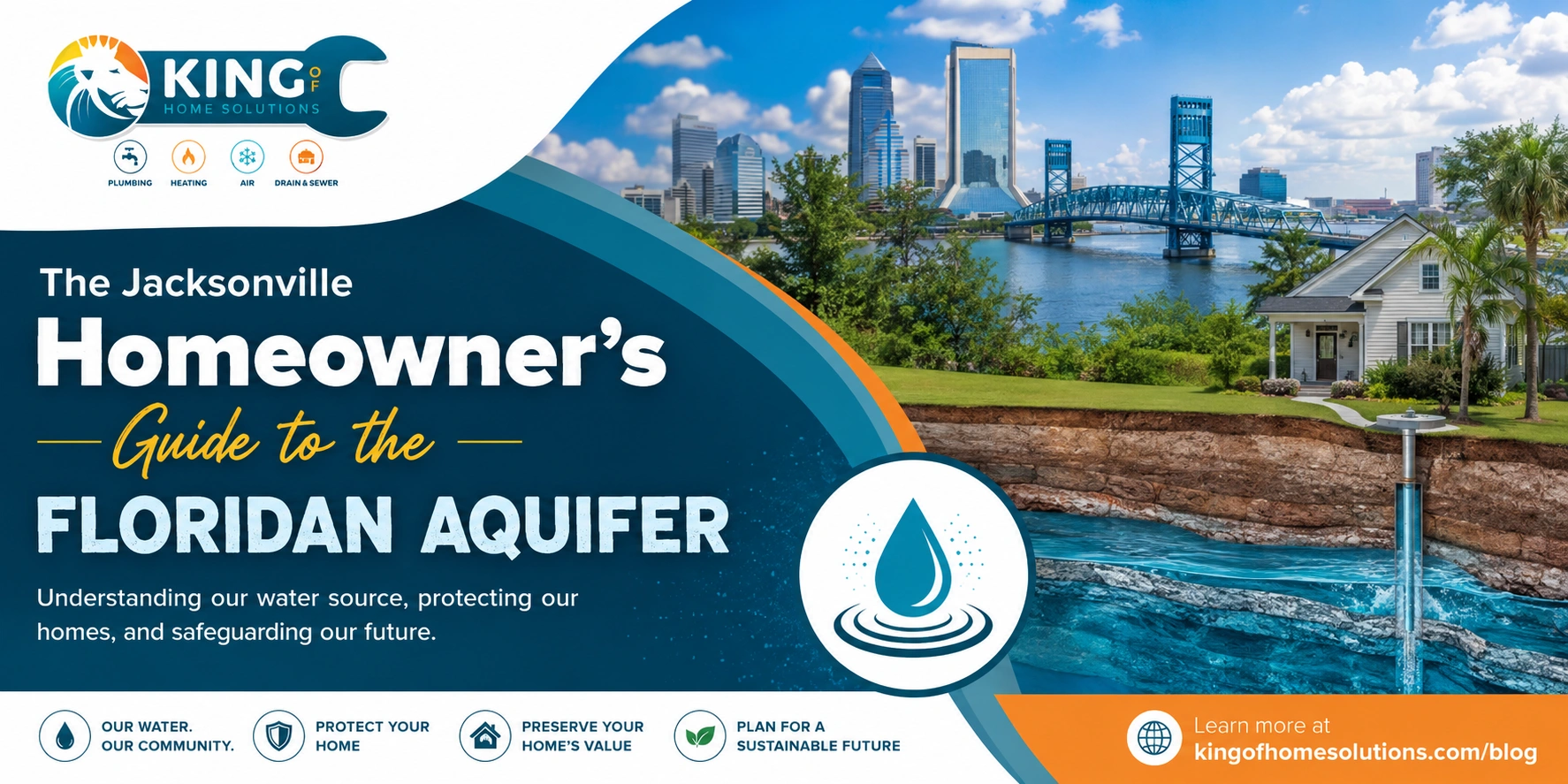
The Jacksonville Homeowner’s Guide to the Floridan Aquifer
Most Jacksonville homeowners never see the source of their water, yet it affects everything from plumbing lifespan and water quality to appliance performance and utility costs.
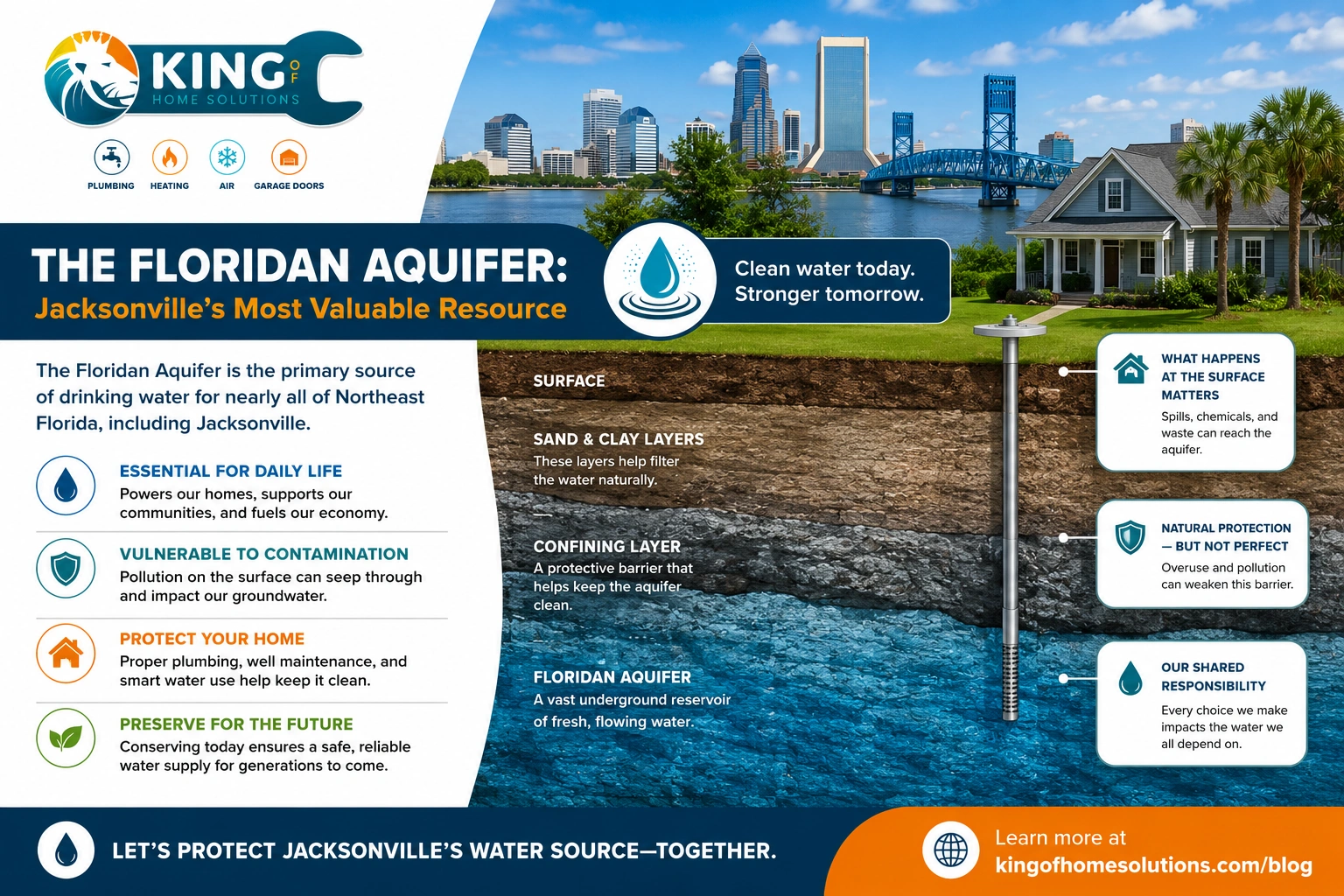
That source is the Floridan Aquifer one of the most productive groundwater systems in the world and the primary source of drinking water for Jacksonville and much of Northeast Florida.
Understanding how the aquifer works can help homeowners make smarter decisions about water treatment, plumbing maintenance, and long-term home protection.
Hard Water Damaging Your Home?
Stop mineral buildup before it causes costly plumbing and appliance repairs. Schedule your service today.
What Is the Floridan Aquifer?
The Floridan Aquifer is a massive underground system of porous limestone and dolomite that stretches beneath Florida and parts of Georgia, Alabama, and South Carolina.
Rainwater slowly filters through layers of soil and rock before entering the aquifer, where it is stored underground until municipalities and private wells pump it to the surface.
Jacksonville receives nearly all of its drinking water from this underground source.
In fact, the Floridan Aquifer supplies water to millions of people throughout the Southeast and is considered one of the most important freshwater resources in the United States.
Why Jacksonville Depends on Groundwater
Unlike many cities that rely on rivers, reservoirs, or lakes, Jacksonville’s drinking water comes primarily from wells drilled hundreds of feet into the Floridan Aquifer.
This provides several advantages:
- Naturally filtered water
- Reliable year-round supply
- Lower treatment costs compared to surface water
- Consistent water quality
However, groundwater also brings unique challenges for homeowners.
The minerals picked up as water moves through limestone formations directly affect the water coming out of your faucets.
Why Jacksonville Water Is Hard
The same limestone that stores water in the Floridan Aquifer also contributes dissolved minerals to the water supply.
These minerals include:
- Calcium
- Magnesium
- Carbonates
As a result, many Jacksonville homes experience water hardness levels that fall into the “hard” to “very hard” range.
Signs of hard water include:
- White scale buildup on faucets
- Spots on dishes and glassware
- Reduced soap lather
- Mineral deposits in water heaters
- Shorter appliance lifespan
For many homeowners, hard water is the first visible sign of the aquifer’s influence on their home’s plumbing system.
How the Aquifer Affects Your Plumbing
Hard water minerals don’t simply disappear after entering your home.
Over time, they accumulate inside pipes, fixtures, and appliances.
Common issues include:
Water Heater Scale Buildup
Mineral deposits collect on heating elements and tank surfaces, forcing water heaters to work harder and consume more energy.
Reduced Water Flow
Scale buildup inside plumbing lines can gradually restrict water movement.
Fixture Wear
Showerheads, faucets, and valves often develop mineral accumulation that affects performance.
Appliance Damage
Dishwashers, washing machines, and ice makers may experience shortened lifespans due to mineral deposits.
For older Jacksonville homes, these effects can compound over decades.
How Much Does a Slab Leak Repair Actually Cost in Jacksonville?
You wake up on a Saturday morning, shuffle into the kitchen for coffee, and notice something weird. The tile floor…
Read The BlogIs Jacksonville Water Safe to Drink?
Yes.
Municipal water drawn from the Floridan Aquifer undergoes treatment and testing to meet federal and state drinking water standards.
The aquifer itself naturally filters water as it moves through underground rock formations.
While homeowners may notice hardness, sulfur odors, or aesthetic concerns in certain areas, these issues do not necessarily indicate unsafe drinking water.
If you have concerns about water quality, a professional water test can identify:
- Hardness levels
- Iron content
- Sulfur compounds
- pH levels
- Total dissolved solids (TDS)
City Water vs. Well Water
Municipal Water
Most Jacksonville residents receive treated water supplied by local utilities.
Benefits include:
- Regular testing and monitoring
- Consistent pressure
- Regulatory oversight
However, hardness minerals often remain present after treatment.
Private Wells
Homes outside certain municipal service areas may rely on private wells that draw directly from the Floridan Aquifer.
Well owners are responsible for:
- Water testing
- Equipment maintenance
- Treatment system upkeep
Private wells may experience higher levels of hardness, iron, sulfur, or other naturally occurring minerals depending on location.
Should You Install a Water Softener?
For many Jacksonville homeowners, a water softener is one of the most effective ways to combat the effects of hard water.
A properly sized softener can:
- Reduce scale buildup
- Extend appliance life
- Improve soap performance
- Protect plumbing fixtures
- Improve water heater efficiency
Homes with hardness levels above 10 grains per gallon often see significant benefits from water softening systems.
Many areas of Jacksonville exceed that threshold.
Protecting the Floridan Aquifer
Because Jacksonville relies heavily on groundwater, protecting the aquifer is important for future water quality and availability.
Homeowners can help by:
- Conserving water whenever possible
- Repairing plumbing leaks promptly
- Properly disposing of chemicals and hazardous materials
- Following local fertilizer and landscaping guidelines
- Maintaining septic systems when applicable
Small actions across thousands of households help preserve the region’s most valuable natural resource.
The Bottom Line
The Floridan Aquifer is the hidden foundation of Jacksonville’s water supply. While it provides a reliable source of clean drinking water, it also contributes to the hard water conditions many homeowners experience.
Understanding how the aquifer affects your home’s plumbing can help you make informed decisions about water softeners, filtration systems, plumbing upgrades, and long-term maintenance.
For Jacksonville homeowners, protecting your plumbing starts with understanding where your water comes from and that journey begins hundreds of feet below ground in the Floridan Aquifer.
Hard Water Damaging Your Home?
Stop mineral buildup before it causes costly plumbing and appliance repairs. Schedule your service today.