Serving The Jacksonville Area

Water Heater Replacement in Jacksonville, FL
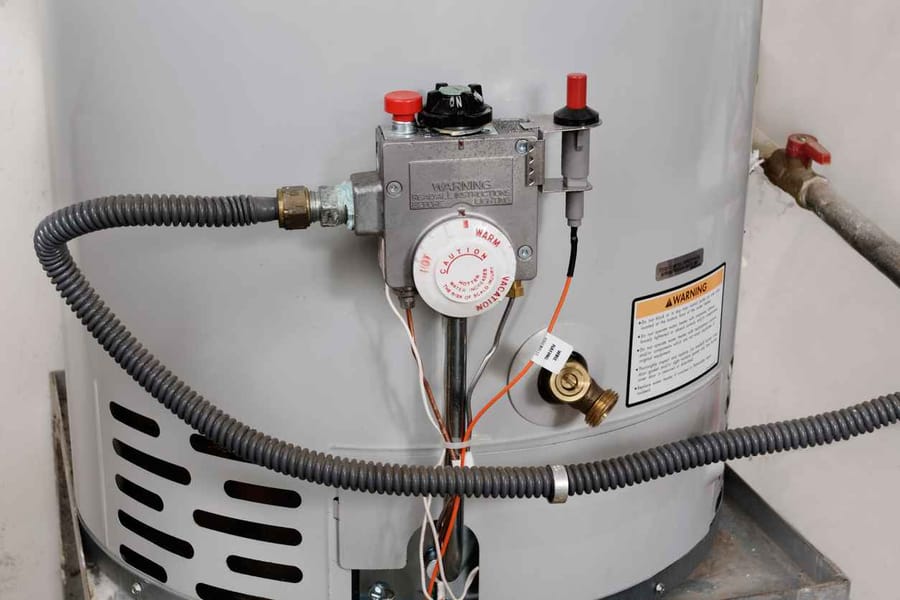
Water around the bottom of the tank, spreading rust, repeated breakdowns, and hot water that no longer lasts can all point to a water heater that is reaching the end of dependable service. Once the tank itself begins to fail, another repair may not provide the security or performance the household needs.
King of Home Solutions provides water heater replacement in Jacksonville, FL, for homeowners dealing with leaking, corroded, unreliable, or undersized equipment. Our residential plumbing team removes the failing unit, checks the installation area, and replaces it with a system suited to the home’s current needs.
A Safer Way to Retire a Failing Water Heater
Removal of leaking or deteriorated equipment
Replacement options for tank and tankless systems
Inspection of accessible connections and the exposed installation area
Respectful residential service from a trusted local teamStartup testing for heating, temperature, and visible leaks
4.9 ⭐
Google Rating
BBB
Accredited Business
Locally-Owned & Operated
Same-Day Service Available
Proudly Serving the Jacksonville Area
5151-5 Sunbeam Road Jacksonville, FL 32257
Call 904-865-4663
RELIABLE WATER HEATER REPLACEMENT BACKED BY HAPPY CLIENTS
See how our dependable water heater replacement services have helped local homeowners restore reliable hot water, comfort, and peace of mind.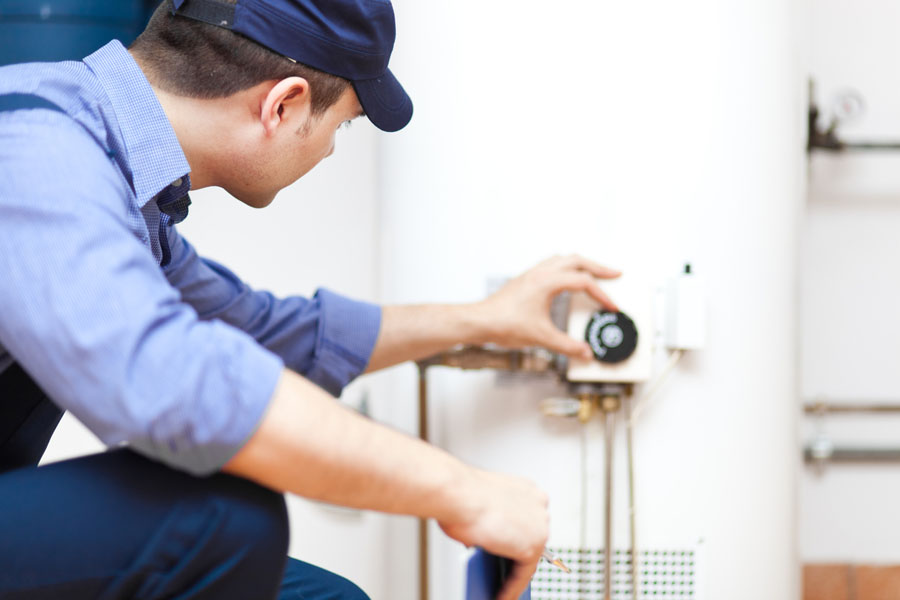

Has Your Water Heater Reached the Point of Replacement?
Some water heater problems are still worth repairing. A failed thermostat, heating element, valve, or ignition component may be corrected when the tank remains in sound condition.
The decision changes when the tank body leaks, corrosion reaches structural areas, or several failures begin happening close together.
A deteriorating water heater may continue producing hot water for a while, but that does not mean it is dependable. The next problem could be another loss of heat, a larger leak, or water damage around the unit.
This matters in Jacksonville homes where water heaters are often installed in garages, laundry areas, and interior closets. A slow leak may spread beneath storage, reach drywall, or damage nearby flooring before it becomes obvious.
Replacement removes the unreliable system and gives the homeowner an opportunity to address capacity, equipment type, accessibility, and connection concerns before another failure occurs.
What Water Heater Replacement Involves
Water heater replacement is the removal of an existing unit and the installation of a suitable new system in its place.
The process begins with confirming that replacement is the right recommendation. The technician evaluates the tank, visible corrosion, leak source, repair history, heating performance, and surrounding connections.
A direct replacement may use a similar system in the same location. Other homes may benefit from a larger tank, a smaller footprint, or a switch to tankless equipment.
The recommendation should reflect the condition of the old unit, the needs of the household, and what the existing setup can support.
Why Water Heaters Eventually Fail
Internal Tank Corrosion
Storage water heaters contain protective components designed to slow corrosion. Those protections do not last forever.
Once the tank lining or metal vessel begins to deteriorate, water may work its way through seams, weak spots, or the lower portion of the tank. Replacing exterior parts cannot restore a structurally damaged vessel.
Long-Term Sediment Accumulation
Material can collect at the bottom of a storage tank over time. Heavy buildup may reduce usable capacity, create rumbling sounds, and make the system work harder.
Flushing may help some units, but it cannot reverse damage that has already affected an aging tank.
Repeated Component Failures
A single repair does not always mean the entire water heater is failing. Several repairs over a short period may tell a different story.
If heating elements, thermostats, controls, burners, valves, or sensors continue failing, the unit may no longer be a dependable investment.
Aging Valves and Connections
Older water heaters often have worn fittings, corroded connectors, weakened shutoff valves, or damaged drain components around them.
Some of these parts can be replaced separately. Others become part of the replacement scope when the old unit is removed.
Increased Household Demand
A tank selected years ago may no longer support the household. More occupants, an added bathroom, larger fixtures, or different routines can lead to frequent hot water shortages.
Replacement provides an opportunity to correct the capacity problem rather than install another unit that is too small.
Warm, Crowded Installation Areas
Many Florida water heaters are installed in non-conditioned garages or tight closets. Heat and humidity do not automatically cause failure, but they can make surface rust, condensation, and slow leaks easier to overlook.
Stored items can also hide moisture until damage spreads beyond the unit.
Signs You May Need Water Heater Replacement
Water Is Leaking Through the Tank
Water near the heater may come from a valve or loose connection. Water leaking through the tank shell, bottom seam, or corroded body usually points to structural failure.
A tank-body leak is one of the clearest signs that replacement is needed.
Corrosion Is Spreading
A small amount of surface rust around one fitting may not require a new system. Rust extending across the base, seams, or tank body is more concerning.
Spreading corrosion should be evaluated before the unit develops a larger leak.
Repairs No Longer Last
A water heater that needs one repair after another may be costing more without becoming more reliable.
Replacement is worth considering when recent repairs involve multiple components or when the unit continues shutting down after service.
Hot Water Capacity Has Declined
If the household runs out of hot water during normal showers, laundry, or dishwashing, the system may have lost effective capacity or become too small for current use.
Installing a correctly selected replacement can restore dependable performance.
Rumbling and Popping Continue
Persistent rumbling or popping can be associated with internal buildup. Noise alone does not always require replacement, but it becomes more important when paired with poor heating, rust, leaking, or repeated repairs.The Surrounding Area Shows Water Damage
Damp flooring, swollen baseboards, peeling paint, rust marks, or moisture behind stored belongings may indicate that the unit has been leaking longer than expected.
Damage around the tank should be addressed before the replacement is installed.
The System Shuts Down Without Warning
Frequent resets, unpredictable temperatures, error codes, or repeated ignition failures may indicate that the unit is no longer dependable.
When these problems occur alongside tank deterioration, replacement may be the more practical choice.
Repair or Replace the Water Heater?
The most important question is whether one repair can reasonably restore dependable operation.
|
Repair May Still Make Sense |
Replacement Is More Likely |
|
The tank body is dry and structurally sound |
Water is leaking through the tank body |
|
One serviceable component has failed |
Several major components have failed |
|
Corrosion is minor and external |
Corrosion is spreading around seams or the base |
|
The unit was reliable before the current issue |
Breakdowns are becoming frequent |
|
The system still meets household demand |
The household regularly runs out of hot water |
|
Compatible parts are available |
Continued repairs are becoming difficult to justify |
The decision should not be based on age alone. Tank condition, repair history, capacity, corrosion, and safety concerns all matter.
A professional evaluation can help determine whether the system still has useful service life or whether replacement is the more responsible option.
What Can Happen When Replacement Is Delayed?
A clearly failing water heater rarely improves with time.
Delaying replacement may lead to:
- A larger or faster-moving leak
- Loss of hot water without warning
- Damage to drywall, flooring, or stored belongings
- Corrosion spreading into valves and connections
- Emergency replacement with less time to compare options
- Continued spending on short-term repairs
- More disruption to the household
Waiting may be especially risky when water is already appearing beneath the tank or corrosion is visible around the base.
Replacing the system before complete failure gives the homeowner more control over scheduling, equipment selection, and project planning.
What Should You Do if the Tank Is Actively Leaking?
An active water heater leak should be handled carefully because water may be near electrical, gas, or heated components.
When it is safe:
- Keep children and pets away from the area.
- Do not stand in water near electrical wiring or panels.
- Avoid removing access covers.
- Move boxes and other belongings away from spreading water.
- Shut off the accessible water supply only when it can be done safely.
- Stop using the unit if there is a gas odor, scorching, or damaged wiring.
- Request professional service promptly.
If water is coming through the tank body or spreading across the floor, do not rely on towels or a bucket as a long-term solution.
Call 904-865-4663 to request a water heater replacement evaluation.
How King of Home Solutions Replaces a Water Heater
The replacement process begins with confirming the failure and reviewing the installation area. The technician checks the tank, leak source, available space, utility connections, shutoff components, drainage, and household hot water needs.
Evaluating the Existing System
The old unit is assessed to confirm whether replacement is necessary. This prevents homeowners from replacing equipment that still has a reasonable repair option.
When replacement is appropriate, the technician reviews what type and size of system can be supported in the existing location.
Choosing a Suitable Successor
The replacement does not have to be identical to the old model.
The homeowner may compare:
- A similar storage tank
- A different tank capacity
- Gas or electric equipment where compatible
- A tankless conversion
- Options that provide better access or use less floor space
The available choices depend on the home’s utilities, fixture demand, and project scope.
Removing the Failed Unit
The old water heater is shut down, drained, disconnected, and removed.
Once it is out of the way, the exposed area can be checked for conditions that were previously hidden.
These may include:
- Damp or stained flooring
- Rusted fittings
- Corroded shutoff valves
- Damaged drain pans
- Swollen baseboards
- Water staining on nearby walls
- Moisture beneath stored items
Any condition that affects the new installation should be explained before the replacement is placed.
Installing the New System
The replacement equipment is positioned and secured before the required plumbing, energy, venting, drainage, and safety connections are completed.
The area should remain accessible for future inspection and maintenance.
Starting and Testing the Water Heater
After installation, the system is started and checked for:
- Proper heating
- Stable temperature
- Visible leaks
- Burner or element operation
- Tankless flow response where applicable
- Venting performance
- Safety and shutoff operation
The homeowner is then shown the main controls and receives basic care information.
Another Tank or a Tankless Replacement?
Homeowners replacing a failed water heater often choose between another storage tank and a tankless system.
Another Storage Tank May Be the Practical Choice When:
- The current location already supports a tank
- A simpler replacement is preferred
- Stored hot water fits the household routine
- Floor space is available
- Existing utilities support the selected model
- The homeowner wants a more predictable project scope
Capacity should still be reviewed. Replacing an undersized unit with another undersized unit will not solve recurring shortages.
A Tankless Replacement May Be Worth Considering When:
- The household wants on-demand heating
- Available floor space is limited
- Extended hot water use is common
- The property supports the required gas or electrical demand
- The homeowner understands that conversion work may be needed
- The selected unit can support simultaneous fixture use
A tankless conversion may involve changes to gas supply, electrical service, venting, condensate drainage, or mounting.
The better option depends on the home, not on a universal claim that one system is superior.
What Replacement Cannot Fix
A new water heater can solve an equipment failure, but it cannot correct every plumbing concern.
Low Water Pressure Throughout the Home
Low pressure may come from the incoming supply, a regulator, restricted piping, or another plumbing issue.
A new heater will not correct the source of a whole-home pressure problem.
Long Waits at Distant Fixtures
A new tank may heat water properly but still take time to deliver it to a distant bathroom.
Pipe length and layout often determine how long the wait lasts. Recirculation or piping changes may need to be considered separately.
Water Quality Problems Outside the Heater
Odor, staining, discoloration, or mineral concerns may originate in the water supply or household piping.
Replacement will not automatically solve a problem located elsewhere.
Demand Beyond the New Unit’s Capacity
New equipment can still underperform when it is undersized.
For example, a homeowner in St. Johns may replace an old tank after adding a large shower and soaking tub. Choosing the same capacity without considering the added demand could leave the household with continued shortages.
Replacement solves the failing-equipment problem. Proper sizing solves the capacity problem.
Water Heater Replacement for Jacksonville-Area Homes
Water heater replacement projects vary across Jacksonville because equipment may be installed in garages, laundry areas, interior closets, or compact utility spaces.
Garage units may be surrounded by storage that hides a slow leak. Once the old heater is removed, the exposed flooring and wall should be checked before new equipment is placed.
Closet installations can present different challenges. Door width, equipment dimensions, drainage, ventilation, and future service access may all influence the replacement.
Homes closer to the coast may also expose garage or exterior-adjacent equipment to humid or salt-influenced air. Visible metal connections should remain accessible for inspection.
King of Home Solutions serves homeowners across Jacksonville and nearby communities, including:
- St. Johns
- Nocatee
- Ponte Vedra
- World Golf Village
Residential service is also available throughout Duval, Clay, and St. Johns counties.
Why Homeowners Choose King of Home Solutions
Water heater replacement affects plumbing, gas or electrical connections, safety components, and the surrounding home.
King of Home Solutions provides:
- Licensed residential plumbing service
- Local service from a Jacksonville-based company
- Tank and tankless replacement options
- Evaluation before replacement is recommended
- Removal of the existing water heater
- Inspection of accessible connections and the exposed area
- Startup and performance testing
- Financing options for qualified homeowners
- A 4.9 Google rating from local customers
The goal is to remove unreliable equipment and complete a replacement that supports dependable household use.
Related Services
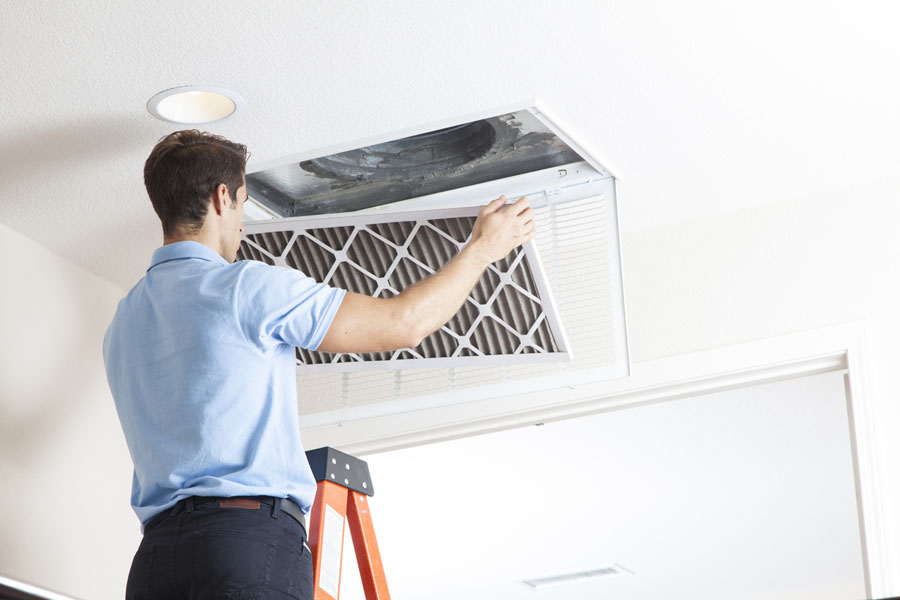
Whole-Home Air Filtration
Breathe Cleaner, Healthier Air Throughout Your Home
Dust, pollen, and airborne pollutants can circulate through your HVAC system and impact your family’s health without you even noticing.
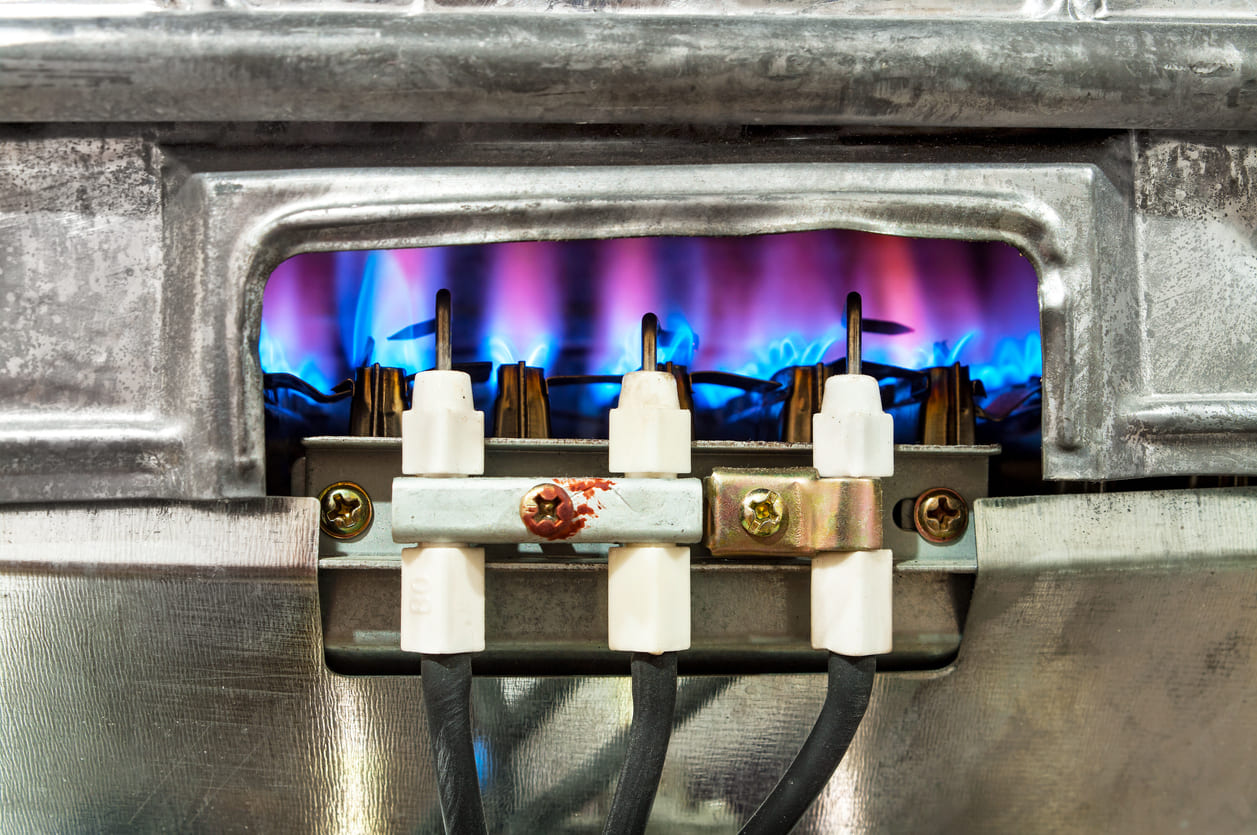
Gas Furnaces
Efficient Heating Starts With a Reliable Gas Furnace
When temperatures drop, a dependable furnace isn’t just a comfort—it’s a necessity.
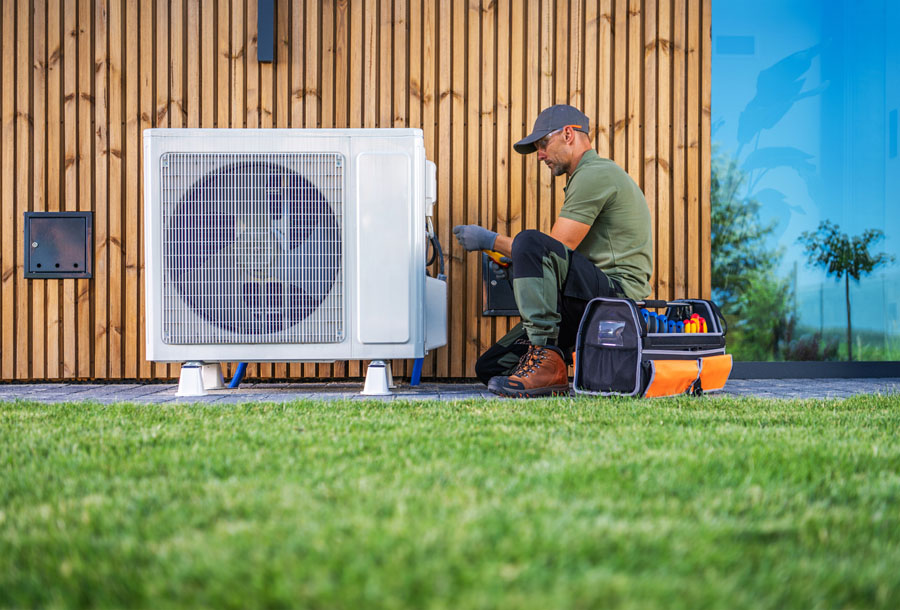
AC Installation
Expert AC Installation for Lasting Comfort in Your Home
A dependable air conditioning system is key to staying comfortable during Jacksonville’s long, hot summers—and when it’s time for an upgrade, you need a team you can rely on.
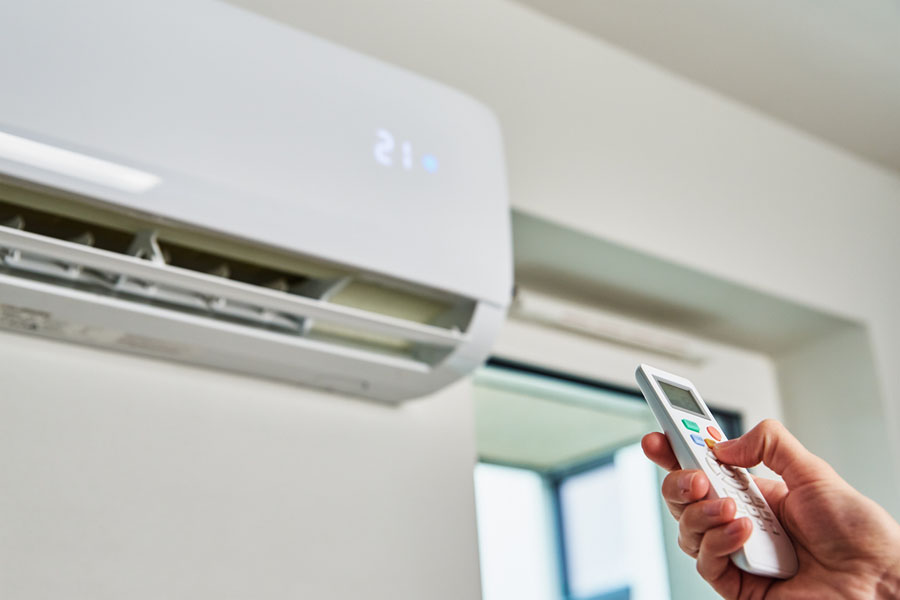
Ductless
Flexible Heating and Cooling With Ductless Mini-Split Systems
Ductless HVAC systems are a smart solution for homeowners who want customizable comfort without the need for traditional ductwork.

Frequently Asked Questions

Replace the Failing Tank Before the Next Breakdown
A leaking or unreliable water heater can leave the household without hot water and put nearby walls, floors, and belongings at risk. King of Home Solutions helps Jacksonville homeowners remove failing equipment, review practical replacement options, and restore dependable hot water with a properly completed system change. Call 904-865-4663 or schedule online to arrange a water heater replacement evaluation.