Serving The Jacksonville Area

Water Heater Installation in Ponte Vedra, FL
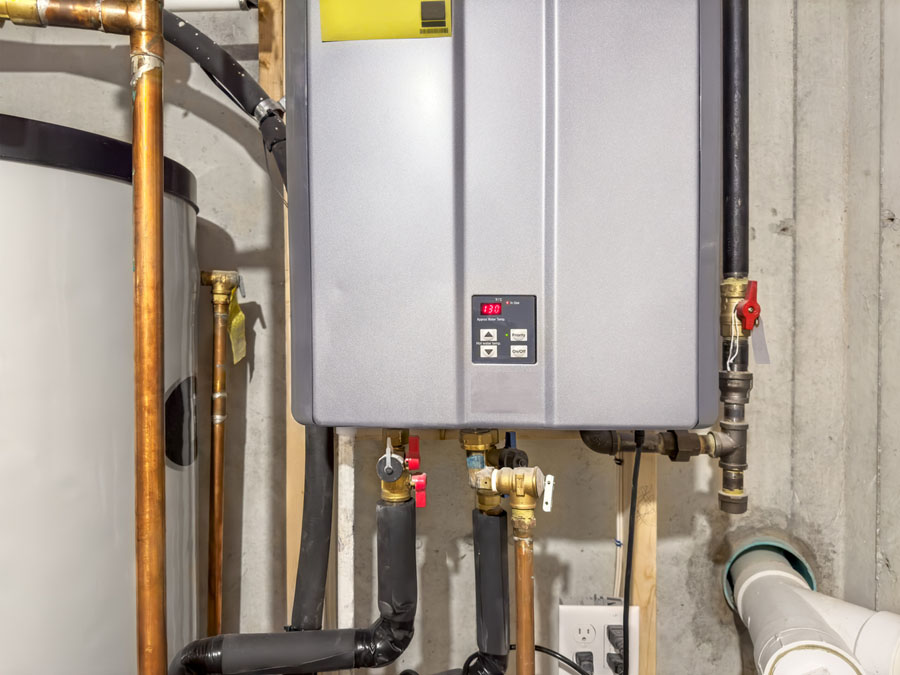
A water heater that no longer keeps up with showers, laundry, and daily cleaning can make routine tasks frustrating. King of Home Solutions provides water heater installation in Ponte Vedra, FL for homeowners replacing outdated equipment, changing system types, or planning for different hot-water needs.
The best choice depends on more than tank size. We look at household demand, available space, fuel or electrical service, existing plumbing, venting where applicable, and how the home actually uses hot water before recommending a system.
4.9 ⭐
Google Rating
BBB
Accredited Business
Locally-Owned & Operated
Same-Day Service Available
Proudly Serving the Jacksonville Area
5151-5 Sunbeam Road Jacksonville, FL 32257
Call 904-865-4663
Reliable Water Heater Installation Backed by Happy Clients
See how our dependable water heater solutions have helped local customers stay cool, comfortable, and confident.

What Should a New Water Heater Be Sized to Handle?
A new water heater should match how your household uses hot water during normal and peak periods.
For a tank system, stored capacity matters because the unit has to supply enough heated water before recovery catches up. For a tankless system, flow rate matters because the unit must heat water as several fixtures may be running at the same time.
Useful planning questions include:
- How many people regularly live in the home?
- How many showers may run close together?
- Is laundry often done while someone is bathing?
- Does the dishwasher run during other hot-water use?
- Are there large tubs or high-flow fixtures?
- Has household demand changed since the current unit was installed?
Choosing equipment around realistic use helps avoid an undersized system that runs out too quickly or a system selected without considering how the home actually operates.
Signs It May Be Time to Install a New Water Heater
Water heater installation is often planned before the current unit stops producing hot water entirely.
Common reasons to consider a new system include:
- Hot water runs out faster than it used to
- Temperature changes are becoming more frequent
- The tank is leaking
- Repairs are becoming more common
- Household demand has outgrown the current system
- A remodel or addition changes hot-water needs
- You want to compare tank and tankless options
If the unit has an isolated, repairable problem and still meets household demand, water heater repair may be the more appropriate starting point.
Tank Capacity and Tankless Flow Are Not the Same Decision
Tank and tankless systems are sized differently.
A traditional tank water heater stores a set volume of hot water. Capacity, recovery rate, and peak household demand all affect whether the system can keep up.
A tankless water heater does not store the same reserve. It heats water as it passes through the unit, so expected flow through showers, faucets, appliances, and other fixtures matters.
That means a tankless system should not be chosen simply because a homeowner wants “unlimited” hot water. Every tankless unit has a maximum output, and simultaneous use can exceed that capacity if the system is not selected correctly.
Our North Florida water heater buyer’s guide provides additional guidance on comparing system types.
Gas or Electric: What Does Your Existing Setup Support?
The home’s available energy source can shape the installation more than the equipment label alone.
Electric Water Heaters
Electric systems depend on the home’s electrical service and the requirements of the selected unit.
A straightforward electric tank replacement may use the existing setup when it is compatible. A different system, especially certain tankless models, may require additional electrical capacity or circuit changes.
Gas Water Heaters
Gas units require the appropriate fuel supply and may also need suitable venting, combustion-air provisions, and other installation considerations depending on the equipment.
Switching from electric to gas, or from gas to electric, can involve more than replacing the water heater itself.
That is why utility compatibility should be reviewed before the equipment is ordered.
Tank or Tankless: Which One Fits the Home Better?
Neither option is automatically right for every household.
A Tank Water Heater May Fit When:
- The current setup already works well with a tank
- Stored capacity meets normal household demand
- A simpler replacement is preferred
- Available space supports the unit
- The homeowner wants familiar operation and recovery behavior
A Tankless Water Heater May Fit When:
- Floor space is limited
- On-demand heating matches the household’s usage pattern
- The home can support the required gas or electrical needs
- Simultaneous flow has been evaluated properly
- The planned installation location allows service access
The decision should account for both equipment performance and installation scope.
What Changes When You Convert From Tank to Tankless?
A tankless conversion is not always a direct swap.
Depending on the chosen system, the project may require changes to gas supply, electrical service, venting, condensate handling, water lines, or mounting location.
The old tank may have worked with connections that are not appropriate for the new unit.
That does not mean conversion is impractical. It means the supporting work should be understood before installation begins.
This is one reason we evaluate the existing setup first instead of selecting a tankless unit based only on equipment size or marketing claims.
Where the Water Heater Is Installed Can Affect the Project
Equipment location affects installation and future service.
We consider:
- Available space
- Maintenance access
- Water-line routing
- Electrical or gas connections
- Venting where required
- Drainage where applicable
A unit that fits physically may still be difficult to service. Tankless equipment also needs adequate access and compatible supporting connections.
How We Plan the Installation
We begin by reviewing the current unit, its location, existing connections, and the reason for replacement.
Next, we compare household demand with the capacity or flow requirements of the proposed system and confirm that the home’s electrical service, gas supply, venting, drainage, and available space are suitable.
After installation, we test operation and review basic controls and maintenance considerations.
When a Like-for-Like Replacement May Not Be the Best Choice
Replacing the old unit with the same type and size can be convenient, but it is not always the best decision.
A different approach may make sense when:
- Household size has changed
- Hot water regularly runs out
- A bathroom or addition has been added
- The old unit was undersized
- The current location creates access problems
- The homeowner wants to change fuel type
- Tankless conversion is being considered
Avoid copying old sizing.
When Water Heater Installation Will Not Solve the Problem
A new water heater will not correct every hot-water complaint.
Other plumbing issues can cause:
- Long waits for hot water at distant fixtures
- Low water pressure
- Fixture-specific temperature problems
- Plumbing leaks
- Recirculation problems
- Damaged hot-water piping
For example, if one shower takes a long time to receive hot water while nearby fixtures work normally, the heater may be producing hot water correctly.
Long pipe runs can also create delays even when the new water heater is properly sized.
These situations may require a different plumbing solution rather than larger equipment.
Water Heater Installation in Ponte Vedra Homes
Ponte Vedra and nearby St. Johns County include both established homes and newer development, so water-heater layouts, equipment locations, and utility configurations can vary from property to property.
That makes individual assessment more useful than assuming one system type works best across the area.
A newer home may already have equipment and utility provisions designed around a particular system. An established property may have older connections, previous plumbing changes, or an installation location that deserves closer review during replacement.
For water heater installation in Ponte Vedra, FL, we focus on the home’s actual hot-water demand, existing plumbing, available energy source, space, and conversion requirements before choosing equipment.
Water Heater Installation Near Ponte Vedra
We provide water heater installation in Ponte Vedra and nearby communities including Fruit Cove, Julington Creek Plantation, Ponte Vedra Beach, and St. Augustine.
If you live elsewhere nearby, contact us to confirm whether your address is within our current service areas.
Need something else in Ponte Vedra? We also offer water heater repair in Ponte Vedra, leak detection in Ponte Vedra, and sewer line repair in Ponte Vedra.
Helpful Water Heater Resources
Heat Pump Outdoor Unit Runs but No Heat Comes From the Vents
If your heat pump outdoor unit is running but no heat is coming from the vents, the problem may be...

Why Your Toilet Makes a Hissing Sound When Nobody Is Using It
A toilet hissing when not in use usually means water is entering the tank when it should have stopped. Common...
Furnace Making a Buzzing Noise but Not Starting: What Does It Mean?
A furnace buzzing but not starting may have a failing blower motor, faulty capacitor, malfunctioning relay, loose electrical connection, or...

Why North Florida Homes Are Switching to Heat Pumps in 2026
Your Jacksonville air conditioner is 14 years old. The technician gives you the bad news: the compressor is failing, the...

Top 5 Garage Door “Curb Appeal” Trends in Jacksonville: 2024 Edition
Drive through Jacksonville neighborhoods and one exterior feature is becoming harder to ignore. The garage door. On many Florida homes,...
Braided Stainless Steel vs. Rubber Supply Lines: Is the “Flood Guard” Worth It?
Behind your washing machine are two small hoses most homeowners rarely think about. One carries hot water. One carries cold...

Water Heater Installation FAQs
Related Plumbing Services

Garbage Disposal
Kitchen Cleanup Made Easier With Reliable Disposal Service
A broken or jammed garbage disposal can quickly disrupt daily kitchen routines and cause unwanted messes.

Kitchen Plumbing
Plumbing Solutions That Keep Kitchens Running Smoothly
The kitchen is one of the busiest areas in any home—and when plumbing issues arise, everything comes to a halt.

Faucets and Fixtures
Fresh Fixtures, Better Function, Expertly Installed
Faucets and fixtures may seem like small details, but they play a big role in both the look and functionality of any bathroom.
Tankless Water Heaters
Modern Comfort Starts With a Tankless Upgrade
Tired of running out of hot water? Tankless water heaters provide an energy-efficient solution that delivers hot water exactly when you need it—no waiting, no waste.

Start Your Ponte Vedra Water Heater Installation
Your next water heater should match the way your household actually uses hot water and the plumbing and utility setup already serving the home. We can compare tank and tankless options, review capacity or flow requirements, and explain any supporting work before installation begins. Call (904) 364-1862 or fill out our contact form to schedule water heater installation in Ponte Vedra.