Serving The Jacksonville Area


Leak Detection in Ponte Vedra, FL
A higher water bill, recurring dampness, or the sound of water moving when every fixture is off can signal a hidden plumbing problem. King of Home Solutions provides leak detection in Ponte Vedra, FL for concealed supply leaks, slab-related concerns, fixture leaks, and unexplained moisture around the home.
We focus first on whether the moisture is actually coming from plumbing and, if it is, which part of the system is involved. That helps narrow the leak location before unnecessary walls, ceilings, or flooring are opened.

4.9 ⭐
Google Rating
BBB
Accredited Business
Locally-Owned & Operated
Same-Day Service Available
Proudly Serving the Jacksonville Area
5151-5 Sunbeam Road Jacksonville, FL 32257
Call 904-865-4663
Reliable Leak Detection Backed by Happy Clients
See how our dependable leak solutions have helped local customers stay cool, comfortable, and confident.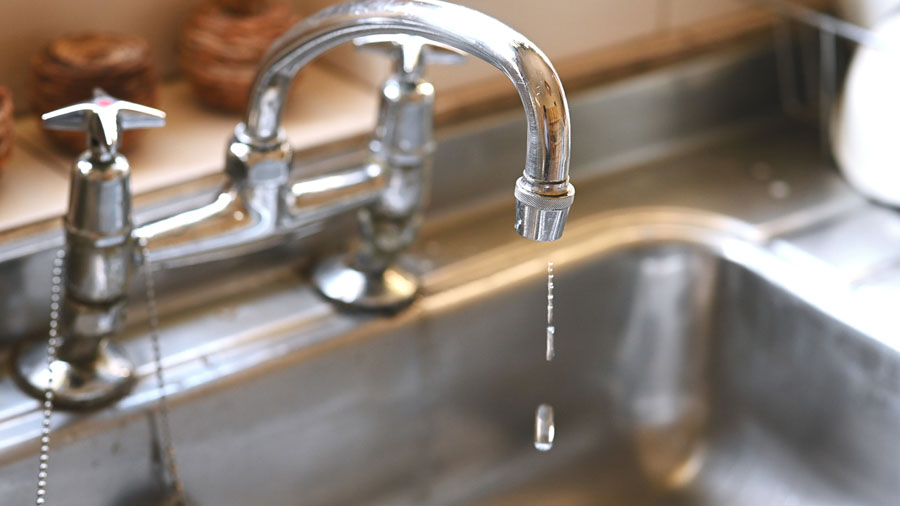

What Leak Detection Needs to Determine
Leak detection should determine where water is coming from and what part of the plumbing system is responsible.
A leak may involve:
- A fixture or visible connection
- A concealed pipe inside a wall or ceiling
- A hot-water line
- A cold-water supply line
- Piping below flooring or a concrete slab
- An appliance connection
- Another source that only appears to be plumbing-related
Our full leak detection and repair service covers hidden-leak location and targeted plumbing repair.
Signs That Point Toward a Hidden Plumbing Leak
Hidden leaks often reveal themselves through secondary symptoms rather than an obvious stream of water.
Watch for:
- An unexplained increase in water use
- Damp or stained walls, ceilings, or flooring
- Peeling paint or damaged drywall
- Musty odors around a recurring damp area
- Water sounds when fixtures are off
- Warm or unusually damp flooring
- Moisture that keeps returning in the same place
One clue rarely identifies the exact location by itself.
Water can travel along framing, flooring, or other building materials before becoming visible. The visible wet spot may not be directly beside the failed pipe.
Different Leak Patterns Point to Different Starting Points
Understanding the pattern can make diagnosis more efficient.
One Fixture or Cabinet Area
Moisture under a sink, beside a toilet, or near an appliance often starts with visible connections, valves, hoses, seals, or nearby piping.
If the source is obvious, extensive detection may not be necessary.
Wall or Ceiling Moisture
A damp wall or ceiling can involve concealed plumbing, but the visible stain may be some distance from the actual failure.
The nearby fixtures, piping route, and timing of the moisture all matter.
Warm or Damp Flooring
A warm area can be one clue when a concealed hot-water line is involved.
It does not confirm a slab leak, but it can guide further testing.
Unexplained Whole-Home Water Use
If water use continues with fixtures off, a pressurized supply leak deserves investigation.
What Commonly Causes Plumbing Leaks?
Failing Connections and Valves
Supply connections, shutoff valves, and fittings can loosen, wear, or deteriorate over time.
A visible leak may be easy to trace. A concealed fitting can create damage before the failure becomes obvious.
Pipe Damage or Deterioration
A pipe can develop a crack, pinhole, failed joint, or other defect.
One failure may need a targeted repair. Several leaks can raise questions about overall piping condition.
Fixture and Appliance Connections
Faucets, toilets, washing machines, refrigerators, and other water-connected equipment can leak at hoses, seals, valves, or supply lines.
Rule these out before assuming a concealed pipe has failed.
Pressure-Related Stress
High pressure can place additional stress on plumbing components and connections.
Pressure should be measured rather than assumed to be the reason for a leak.
Movement or Wear Around Concealed Pipe
Piping routed through walls, floors, and slabs can be affected by movement, friction, or long-term wear.
The failure still needs to be located before repair is chosen.
How We Narrow Down a Concealed Leak
We begin with the symptom and the plumbing around it.
Visible fixtures, valves, supply lines, and accessible connections are checked first. If the leak is still concealed, testing can focus on the most likely area rather than opening large sections of the home.
Depending on the situation, King of Home Solutions may use acoustic leak detection, infrared imaging, and moisture evaluation.
The objective is to identify the affected line or area and create a targeted repair plan.
What Acoustic and Infrared Testing Can Show
Different tools provide different information.
Acoustic equipment can help identify sound associated with water escaping from a pressurized pipe.
Infrared imaging can show temperature differences across building materials. Those patterns may help identify areas that deserve closer investigation, especially when a hot-water line or moisture is suspected.
Neither method proves the full diagnosis by itself.
Sound needs context, and temperature variation can have causes other than a plumbing leak. Tool readings are most useful when compared with the building layout, visible conditions, and plumbing behavior.
Why the Water Meter Is a Useful Clue
The water meter can help show whether water may still be moving through the plumbing when normal use has stopped.
If you suspect a hidden supply leak:
- Turn off faucets and water-using appliances.
- Make sure toilets and irrigation are not actively using water.
- Observe whether the meter continues to register flow.
- Note the result for the plumber.
Continued movement can support further testing.
It does not reveal the leak location, and other water-using systems may need consideration. Treat the meter as a clue rather than a complete diagnosis.
When a Slab-Related Leak Needs Different Investigation
Piping below a concrete slab is not accessible in the same way as a fitting under a sink.
Possible clues can include unexplained water use, damp flooring, water sounds, or warmth associated with a concealed hot-water line.
The purpose of slab leak detection is to narrow the affected area before deciding how the pipe should be repaired or rerouted.
King of Home Solutions provides slab leak detection and repair when the evidence points below the foundation.
Plumbing Leak or Rainwater? Why the Difference Matters in Ponte Vedra
Ponte Vedra receives periods of heavy rain, so damp building materials do not automatically mean a water pipe is leaking.
Moisture that appears only after storms may point toward roof, exterior, drainage, or building-envelope issues instead of plumbing.
By contrast, dampness that appears regardless of weather, changes with fixture use, or corresponds with unexplained water consumption may justify plumbing investigation.
For leak detection in Ponte Vedra, FL, separating storm-related moisture from plumbing water is important before walls or flooring are opened unnecessarily.
When Leak Detection Is Not Enough
Locating the leak is only one step.
Additional work may be needed when the problem involves:
- A damaged section of supply pipe
- A failed valve or fixture connection
- A leak beneath a slab
- Multiple failures in aging piping
- Water damage requiring separate restoration
- A broader piping problem that makes repeat leaks likely
If failures are occurring in several parts of the home, a single spot repair may not address the larger issue.
That is when broader plumbing services or future repiping evaluation may be appropriate.
What to Do Before We Arrive
Look for obvious water sources without taking plumbing apart.
Check under sinks, around toilets, near appliances, around the water heater, and at visible shutoff valves.
If water is actively spreading and you can safely access the home’s main shutoff, stopping the flow can limit further damage.
Avoid cutting into drywall or flooring just because moisture appears in one area.
Also note:
- When the dampness appears
- Whether weather affects it
- Whether fixture use changes it
- Whether the water meter shows unexplained use
- Whether the area feels warm
- Whether the problem is constant or intermittent
Leak Detection Near Ponte Vedra
We provide leak detection in Ponte Vedra and nearby communities including Sawgrass, St. Johns, Fruit Cove, and World Golf Village.
If you live elsewhere nearby, contact us to confirm whether your address is within our current service areas.
Need something else in Ponte Vedra? We also offer sewer line repair in Ponte Vedra, repiping in Ponte Vedra, and drain cleaning in Ponte Vedra.
Helpful Leak Detection Resources
Heat Pump Outdoor Unit Runs but No Heat Comes From the Vents
If your heat pump outdoor unit is running but no heat is coming from the vents, the problem may be...

Why Your Toilet Makes a Hissing Sound When Nobody Is Using It
A toilet hissing when not in use usually means water is entering the tank when it should have stopped. Common...

Furnace Making a Buzzing Noise but Not Starting: What Does It Mean?
A furnace buzzing but not starting may have a failing blower motor, faulty capacitor, malfunctioning relay, loose electrical connection, or...

Why North Florida Homes Are Switching to Heat Pumps in 2026
Your Jacksonville air conditioner is 14 years old. The technician gives you the bad news: the compressor is failing, the...

Top 5 Garage Door “Curb Appeal” Trends in Jacksonville: 2024 Edition
Drive through Jacksonville neighborhoods and one exterior feature is becoming harder to ignore. The garage door. On many Florida homes,...

Braided Stainless Steel vs. Rubber Supply Lines: Is the “Flood Guard” Worth It?
Behind your washing machine are two small hoses most homeowners rarely think about. One carries hot water. One carries cold...

Leak Detection FAQs
Related Plumbing Services
Toilets
Dependable Toilet Repairs and Installations Done Right
A malfunctioning toilet can disrupt the flow of the entire household—especially when leaks, clogs, or flush issues strike without warning.

Slab Leaks
Professional Solutions for Complex Foundation Leaks
Slab leaks are one of the most serious plumbing issues a homeowner can face, often developing quietly beneath the home’s concrete foundation.
Leak Detection and Repair
Find the Leak.
Water Heaters
Hot Water When You Need It, Service You Can Trust
A reliable water heater is essential for daily comfort—from warm showers to clean dishes and laundry.

Find the Source of Your Ponte Vedra Plumbing Leak
Unexplained water use, recurring dampness, or water sounds behind a wall can point to very different problems. We can narrow down the leak location, explain what the findings mean, and identify the most appropriate repair path without treating every wet area like the same plumbing failure. Call (904) 364-1862 or fill out our contact form to schedule leak detection in Ponte Vedra.