Serving The Jacksonville Area



Heat Pump Stuck in Defrost Mode? Signs Something Is Wrong
Heat Pump Stuck in Defrost Mode? Signs Something Is Wrong
A heat pump stuck in defrost mode may have a faulty temperature sensor, malfunctioning defrost control board, restricted outdoor airflow, or another system problem preventing normal heating. Most heat pumps complete defrost in approximately 5–15 minutes, although the exact timing depends on the model and operating conditions. If the system repeatedly defrosts without heating the home or never returns to normal operation, professional diagnosis is recommended.
In Saint Johns, FL, cooler mornings combined with humidity can create conditions where frost forms on outdoor heat pump coils. A brief defrost cycle is normal, but ongoing or excessive defrosting can affect indoor comfort. At King of Home Solutions, we help homeowners identify abnormal heating behavior, determine the cause, and make the necessary repairs to restore reliable operation.
Quick Answer: Why Is My Heat Pump Stuck in Defrost Mode?
A heat pump enters defrost mode to remove frost from its outdoor coil during heating operation.
When the system works properly, this process happens automatically and lasts only as long as necessary according to its controls.
If defrost continues unusually long or repeats excessively, something may be interfering with the normal sequence.
Potential causes include:
- Faulty defrost sensor: Incorrect temperature readings may cause the system to initiate or continue defrost at the wrong time.
- Defrost control board problems: Failed controls may prevent the system from correctly starting or ending a cycle.
- Restricted outdoor airflow: Blocked or dirty coils can contribute to excessive frost accumulation.
- Outdoor fan problems: A malfunctioning fan can interfere with normal heating operation and contribute to coil icing.
- Refrigerant-related issues: Certain system faults can cause abnormal coil temperatures and frost buildup.
- Reversing valve problems: A malfunction may interfere with switching between heating and defrost operation.
However, a homeowner should not assume the heat pump is malfunctioning simply because the outdoor fan stops or steam rises from the unit.
Both can occur during normal defrost.
The most important questions are whether the frost clears, normal heating resumes, and the home maintains the requested temperature.
If these conditions are not met, a professional inspection is the appropriate next step.
How Heat Pump Defrost Mode Normally Works
A heat pump provides heating by transferring heat from outdoor air into the home.
Even when outdoor temperatures feel chilly, the air can still contain usable heat.
During heating operation, the outdoor coil absorbs that heat.
However, the coil can become colder than the surrounding air.
When moisture in the air reaches the cold coil, frost may form.
Why Frost Develops
Frost is more likely during certain combinations of low temperatures and humidity.
In Saint Johns, a damp morning with temperatures in the 30s or low 40s may create favorable conditions for outdoor coil frost.
This does not automatically mean the equipment has a problem.
What the Heat Pump Does About Frost
Most conventional air-source heat pumps use a reversing process to warm the outdoor coil.
During defrost, the system temporarily redirects heat toward that coil.
This melts accumulated frost so outdoor airflow and normal heating performance can be restored.
What Homeowners May Notice
Normal defrost behavior can include:
- The outdoor fan stopping temporarily.
- A change in the sound of the compressor.
- A brief whooshing or hissing noise.
- Steam rising from the outdoor unit.
- Water dripping beneath the equipment.
- Indoor heating temporarily decreasing.
Some systems activate auxiliary heat during defrost to help maintain indoor comfort.
Others may slow or stop the indoor fan.
The exact sequence varies by equipment design.
What Happens After Defrost?
Once the control determines that defrost is complete, the heat pump should return to normal heating.
The outdoor fan resumes operation, and the system continues working toward the thermostat setting.
Defrost mode is a protective function, not a malfunction by itself.
A problem becomes more likely when the system cannot finish the process or repeatedly enters defrost without producing enough heat.
How Long Should a Normal Defrost Cycle Last?
Many heat pumps complete a typical defrost cycle in approximately 5–15 minutes.
However, this is a general reference range rather than a universal rule.
The correct timing depends on the manufacturer, model, control strategy, and operating conditions.
Why Some Cycles Are Shorter
When only a light layer of frost has developed, the equipment may clear it relatively quickly.
Systems with demand-based controls can also adjust defrost operation according to detected conditions.
Why Some Cycles Take Longer
Colder outdoor temperatures, moisture levels, and the amount of accumulated frost may influence the duration.
However, a heat pump should not remain in defrost indefinitely.
How Often Should Defrost Happen?
There is no single schedule that applies to every system.
Some controls use timing combined with temperature measurements.
Others use demand-based strategies to determine when defrost is necessary.
Frequency can change significantly as the weather changes.
When Should Homeowners Become Concerned?
An individual cycle lasting slightly longer than expected does not automatically indicate failure.
However, concern is justified when:
- Defrost repeatedly lasts much longer than the equipment’s normal cycle.
- The outdoor unit never seems to return to heating.
- The system reenters defrost after only a brief period of normal operation.
- The house temperature continues falling.
- Heavy frost remains after repeated defrost attempts.
The manufacturer’s operating instructions are the best reference for the particular unit.
If the heat pump cannot restore normal heating, the problem should be professionally diagnosed.
Signs the Heat Pump Is Staying in Defrost Too Long
A heat pump stuck in defrost mode often produces symptoms beyond an unusual thermostat display.
The system’s overall behavior provides useful clues.
The Outdoor Fan Remains Off for an Extended Period
A stopped outdoor fan is often normal during defrost.
However, if the fan never resumes during a continued heating demand, the system may have an operating problem.
The cause could involve defrost controls, the fan itself, or another component.
The Thermostat Continues Showing Defrost
Some thermostats or connected system controls display a defrost message.
A temporary indication is normal.
A persistent indication accompanied by poor heating may require attention.
Not every thermostat uses the same messages, so homeowners should consult the manufacturer’s instructions.
Heating Does Not Return
During defrost, the system temporarily redirects heat away from normal indoor heating.
If comfortable airflow never resumes, the home may begin losing temperature.
This is one of the clearest reasons to request service.
Defrost Happens Repeatedly
A system that switches into defrost again and again with very little heating between cycles may have a sensor, control, airflow, or refrigerant-related problem.
Ice Continues Building Up
The purpose of defrost is to remove frost.
If the outdoor coil remains heavily iced despite repeated cycles, the system is not accomplishing that purpose.
The Heat Pump Makes Unusual Noises
Brief changes in sound can be normal.
However, persistent grinding, harsh mechanical noises, or repeated abnormal startup sounds deserve professional evaluation.
Energy Use Appears Unusually High
Excessive defrosting can interfere with efficient heating.
In certain systems, auxiliary heat may operate more frequently to maintain comfort.
However, an increase in electricity usage alone does not confirm a defrost problem.
Multiple symptoms should be considered together.
Can a Defrost Sensor Cause the Problem?
Yes. A faulty sensor can interfere with the heat pump’s ability to determine when defrost should begin or end.
Heat pump defrost controls rely on information about operating conditions.
Depending on the model, temperature sensors and other control inputs help determine whether frost removal is necessary.
What Does a Defrost Sensor Do?
A sensor may monitor the outdoor coil temperature or another relevant operating condition.
The system uses that information as part of its defrost logic.
What Happens When the Sensor Reports Incorrect Information?
A damaged sensor may send readings that do not accurately reflect the coil’s temperature.
Depending on the control design, the heat pump could:
- Initiate defrost unnecessarily.
- Remain in defrost longer than expected.
- Fail to initiate defrost when needed.
- Display a fault message.
- Operate inconsistently during heating.
Does Every Heat Pump Use the Same Sensor?
No.
Different manufacturers use different sensor arrangements and defrost algorithms.
A technician must refer to the appropriate equipment information.
How Is a Sensor Problem Diagnosed?
A qualified HVAC technician can evaluate sensor readings, electrical characteristics, and the control system’s response.
Testing may involve electrical measurements and access to internal components.
These are not appropriate homeowner troubleshooting tasks.
Can Homeowners Replace a Defrost Sensor?
Sensor replacement should be handled by a trained professional.
Accessing the sensor may require opening electrical or equipment panels.
An incorrect replacement or improper installation can also interfere with system operation.
Why Accurate Diagnosis Matters
A heat pump that keeps defrosting does not automatically have a bad sensor.
Control problems, outdoor airflow issues, or other operating faults may create similar symptoms.
Replacing a sensor without confirming the fault may leave the original problem unresolved.
How Control Board Problems Affect Defrost Cycles
The defrost control board coordinates important parts of the heat pump’s frost-removal process.
Depending on the equipment, it receives sensor information and manages the sequence used to initiate and end defrost.
What Does the Board Control?
Its responsibilities may include determining when defrost is required and coordinating signals to related equipment components.
Some systems combine defrost functions with a broader electronic control board.
What Can Go Wrong?
A control board may develop problems involving electrical components, damaged connections, or incorrect processing of operating signals.
These issues can create inconsistent system behavior.
Signs of Possible Control Problems
Potential symptoms include:
- Repeated defrost cycles without obvious frost.
- Defrost that does not appear to end.
- Failure to initiate defrost despite heavy icing.
- Unexpected equipment shutdowns.
- Fault messages on compatible controls.
- Heating that does not resume normally.
These symptoms do not prove the board itself has failed.
Could the Reversing Valve Be Involved?
Yes.
The reversing valve changes refrigerant flow direction as the system transitions between operating modes.
If the valve or its controls malfunction, the heat pump may have difficulty switching modes.
However, a reversing valve failure is not the same as a defective control board.
A technician must determine which component is responsible.
Why Repeated Resets Are Not the Answer
Turning equipment off and back on may temporarily clear certain messages, but it does not repair a failed control component.
Repeated resets can also make an intermittent problem harder to diagnose.
Homeowners should avoid forcing the system through repeated restart attempts.
What Professional Diagnosis Involves
Our technicians evaluate the control signals, sensor inputs, and equipment response to determine whether the fault involves the board or another component.
The objective is to identify the actual cause rather than replace expensive parts unnecessarily.
Can Outdoor Coil or Airflow Problems Trigger Excessive Defrosting?
Yes. Outdoor airflow problems can contribute to unusual frost accumulation and poor defrost performance.
The outdoor unit must move air across its coil to exchange heat with the surrounding environment.
When that process is restricted, the heat pump may struggle to operate normally.
Dirty Outdoor Coils
Dust, debris, and other buildup can reduce the effectiveness of heat transfer.
Depending on conditions, this may contribute to abnormal operating temperatures and icing.
Leaves and Landscaping
Shrubs, leaves, and outdoor objects can obstruct airflow around the equipment.
Homeowners should maintain the manufacturer’s recommended clearance.
Outdoor Fan Malfunctions
The outdoor fan moves air across the coil during normal heating.
If it cannot run correctly, the heat pump may experience abnormal operating conditions.
Refrigerant Problems
Low refrigerant charge or other refrigeration-cycle faults can change coil temperatures and contribute to abnormal frost formation.
These problems require professional testing.
Why More Frost Means More Defrosting
When the coil accumulates frost faster than expected, the equipment may need to defrost more frequently.
However, a system that repeatedly freezes despite defrosting may have an unresolved operating problem.
What Can Homeowners Safely Observe?
From outside the equipment, homeowners can check for:
- Leaves or loose debris around the unit.
- Shrubs growing too close to the cabinet.
- Objects blocking airflow.
- Heavy frost that remains after defrost.
- Unusual outdoor fan behavior.
Homeowners should not remove equipment panels, bend coil fins, or attempt internal cleaning.
If the unit is heavily iced, do not chip away the ice or pour hot water over electrical and refrigeration components.
A technician can determine whether coil condition, fan performance, refrigerant operation, or another issue requires attention.
What Is Normal Steam or Frost During Defrost?
One of the most alarming sights for a homeowner is a cloud rising from the outdoor heat pump on a cold morning.
It can look surprisingly dramatic.
However, visible vapor during defrost is often normal.
Why Does Steam Appear?
During defrost, the outdoor coil warms and melts accumulated frost.
Moisture may become visible as a white cloud of water vapor in cold surrounding air.
The appearance can resemble smoke, especially when the outdoor temperature is low.
Is Dripping Water Normal?
Yes.
Water may drip beneath the unit as frost melts.
The drainage pattern depends on the equipment installation and surrounding conditions.
Why Does the Outdoor Fan Stop?
Many systems stop the outdoor fan during defrost to help warm the coil.
The fan should return to normal operation when the cycle ends.
What About Hissing or Whooshing Sounds?
Brief changes in sound may occur as refrigerant flow changes.
These sounds are not automatically signs of failure.
How Much Frost Is Normal?
A light coating of frost on the outdoor coil can occur in cold, humid weather.
The important distinction is whether the frost clears during normal operation.
When Is Frost a Problem?
Warning signs include:
- Thick ice that continues growing.
- Ice remaining after repeated defrost attempts.
- Ice physically obstructing the outdoor fan.
- Defrost cycles that never restore normal heating.
- Mechanical noises caused by ice contacting moving parts.
When Is Vapor Not Normal?
White vapor that appears briefly during defrost may be harmless.
However, dark smoke, a burning odor, electrical arcing, or visible equipment damage requires immediate caution.
If smoke or fire is suspected, stop operating the system if safe and seek emergency assistance.
Homeowners should not assume every cloud is normal steam.
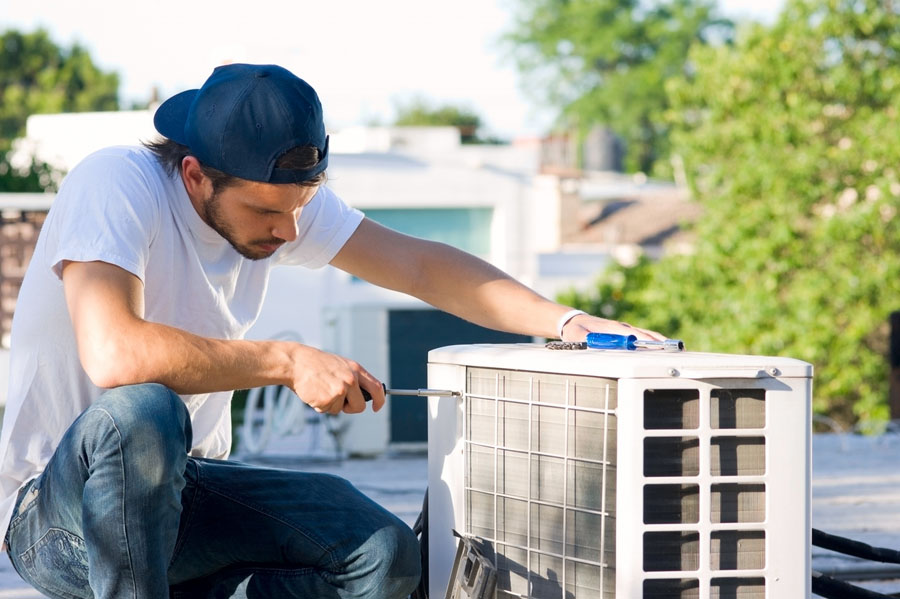
What Can Homeowners Safely Check?
If the heat pump appears to be defrosting too often or for too long, several basic observations can help.
These checks should not involve electrical testing, refrigerant handling, or opening equipment panels.
1. Confirm the Thermostat Is Set to Heat
Check that the thermostat is requesting heating and has not accidentally been switched to cooling or another mode.
2. Review the Thermostat Display
Some thermostats indicate when the heat pump is in defrost.
Others display a fault code or notification.
Record the exact wording of any message.
3. Observe the Cycle Duration
If it is safe to do so, note approximately when the defrost cycle begins and when normal heating resumes.
A short video or written record may be useful for the technician.
4. Check Whether the Home Warms Up
The system should return to heating after normal defrost.
If indoor temperatures continue falling, the problem may require professional attention.
5. Inspect the Air Filter
A dirty indoor air filter can affect heat pump performance.
If the filter is designed for homeowner replacement, inspect it and install the appropriate replacement when needed.
6. Look Around the Outdoor Unit
From a safe distance, check for leaves, vegetation, or objects blocking airflow.
Loose debris outside the unit may be removed when the equipment is off and the area is safe.
Avoid touching fans, coils, wiring, or other equipment components.
7. Observe Ice Buildup
Notice whether frost clears during defrost or continues accumulating.
Do not attempt to remove ice with tools or hot water.
8. Listen for Unusual Sounds
Brief changes in sound may be normal.
Persistent grinding, scraping, or loud mechanical noises should be reported to a technician.
What Homeowners Should Not Attempt
Do not:
- Open electrical service panels.
- Test or replace defrost sensors.
- Handle control board wiring.
- Manually operate a reversing valve.
- Bypass safety switches.
- Open refrigerant connections.
- Add refrigerant.
- Force the outdoor fan to move.
- Repeatedly reset a malfunctioning system.
These tasks involve hazards and require professional training.
The purpose of homeowner checks is to gather useful information, not perform internal equipment repairs.
When Does Abnormal Defrost Operation Need Repair?
A heat pump does not need service simply because it occasionally enters defrost mode.
However, several conditions suggest that the system requires professional diagnosis.
Defrost Lasts Much Longer Than Normal
If the system remains in defrost beyond its expected operating duration and does not resume heating, a fault may be present.
The exact threshold depends on the manufacturer and model.
The System Defrosts Repeatedly Without Heating
Frequent defrosting with little time spent heating the home may indicate an abnormal operating condition.
The Outdoor Coil Remains Covered in Ice
Repeated unsuccessful attempts to remove frost suggest a problem.
The Outdoor Fan Does Not Resume
If the outdoor fan remains inactive after defrost should have ended, it may have a motor, control, or electrical fault.
Heating Performance Drops Significantly
A system that cannot maintain the thermostat setting may be spending too much time defrosting or experiencing another heating problem.
The Thermostat Displays an Error
A persistent fault code or equipment warning should be evaluated according to the manufacturer’s guidance.
Unusual Mechanical Sounds Develop
Harsh grinding, repeated banging, or other abnormal noises can indicate a mechanical problem.
Electrical Warning Signs Appear
Burning odors, sparks, smoke, or repeatedly tripping breakers require prompt attention.
Do not continue operating equipment that shows electrical damage.
Why Prompt Repair Matters
When defrost operation is abnormal, the heat pump may lose heating capacity and experience unnecessary operating stress.
The underlying problem could involve a relatively small sensor or control component, but it may also be connected to other equipment issues.
Professional testing determines the appropriate repair.
Heat Pump Repair in Saint Johns
Saint Johns homeowners rely on heat pumps for both heating and cooling.
Although Northeast Florida does not experience the prolonged freezing conditions found farther north, chilly and humid mornings can still create frost on outdoor heat pump coils.
A normal defrost cycle helps the system continue heating efficiently.
However, repeated or prolonged defrosting can make the home uncomfortable and indicate a problem that needs attention.
At King of Home Solutions, we provide heat pump diagnosis and repair for homeowners throughout Saint Johns and surrounding Northeast Florida communities.
Diagnosing Abnormal Defrost Cycles
Our technicians inspect system operation and evaluate the components that control heating and defrost.
Depending on the symptoms, the diagnostic process may involve reviewing sensor readings, control signals, outdoor fan operation, and refrigerant-system performance.
Identifying the Actual Cause
A system that repeatedly enters defrost does not automatically need a new control board.
Our team evaluates the equipment before recommending replacement parts or repairs.
Repairing Heat Pump Components
Our Heat Pump Repair services address problems involving controls, refrigerant-related performance, reversing valves, and other components that can affect heating operation.
Helping Prevent Related Problems
Routine maintenance can help identify certain issues involving airflow, coil condition, and equipment performance.
Our Heat Pump Maintenance services support system inspections and preventive care.
Maintenance cannot prevent every sensor or control failure, but it provides an opportunity to identify developing concerns.
Serving Saint Johns and Nearby Communities
We help homeowners in Saint Johns, Julington Creek, Fruit Cove, Nocatee, World Golf Village, and surrounding areas.
Whether the outdoor unit remains heavily iced or the system repeatedly interrupts heating, our team can determine why the equipment is not operating as expected.
FAQs About Heat Pump Defrost Mode
How long should a heat pump stay in defrost mode?
Many heat pumps complete defrost in approximately 5–15 minutes. However, the correct duration depends on the model and operating conditions. Repeatedly prolonged cycles warrant professional evaluation.
Why does my heat pump keep going into defrost mode?
Repeated defrosting may be caused by frost-producing weather, faulty sensors, control problems, restricted outdoor airflow, or refrigeration-system faults. A technician can determine whether the frequency is abnormal.
Is it normal for the outdoor fan to stop during defrost?
Yes. Many heat pumps intentionally stop the outdoor fan during defrost. The fan should resume normal operation after the cycle is complete.
Can a bad defrost sensor make a heat pump run continuously in defrost?
A faulty sensor can interfere with defrost timing or termination on certain systems. However, control boards and other component failures can create similar symptoms.
Why is steam coming from my heat pump during defrost?
Visible water vapor may appear when frost melts from the outdoor coil. Brief steam or mist during defrost can be normal.
Can a heat pump become stuck in defrost mode because of low refrigerant?
Refrigerant-related problems can contribute to abnormal coil temperatures, icing, and heating performance. However, low refrigerant is not the only possible cause and should be confirmed by a qualified technician.
Should I turn off my heat pump if it keeps defrosting?
If defrost repeatedly fails to finish, heavy ice continues accumulating, or abnormal noises develop, stop operating the system and contact a technician. Follow manufacturer guidance and avoid repeated resets.
Does a heat pump need defrost mode in Florida?
Yes. During chilly, humid weather, frost can form on the outdoor coil even in Northeast Florida. Automatic defrost helps remove that buildup during heating operation.
When Defrost Won’t End, Let King of Home Solutions Restore the Heat
A brief defrost cycle is part of normal heat pump operation.
Steam rising from the outdoor unit, a temporary pause in heating, or a stopped outdoor fan does not automatically mean something is wrong.
However, a heat pump stuck in defrost mode can interrupt indoor comfort and point to problems involving sensors, controls, outdoor airflow, or other system components.
At King of Home Solutions, we help Saint Johns homeowners understand why their heat pumps are not returning to normal heating operation.
Our technicians diagnose equipment behavior, identify the cause of abnormal defrosting, and recommend repairs based on the condition of the system.
If your outdoor unit remains covered in ice, repeatedly enters defrost, or fails to warm your home after the cycle should be complete, professional service can help determine the next step.
Get Your Heat Pump Back to Heating With King of Home Solutions
Don’t let repeated defrost cycles leave your Saint Johns home uncomfortable.
Call King of Home Solutions at (904) 865-4663 to schedule professional heat pump diagnostics and repair.
Our team serves Saint Johns and nearby communities throughout Northeast Florida.
Explore our Heat Pump Repair Services or contact us to request an appointment.
We identify the problem, explain your options, and help restore dependable heating when your system needs attention.