Serving The Jacksonville Area

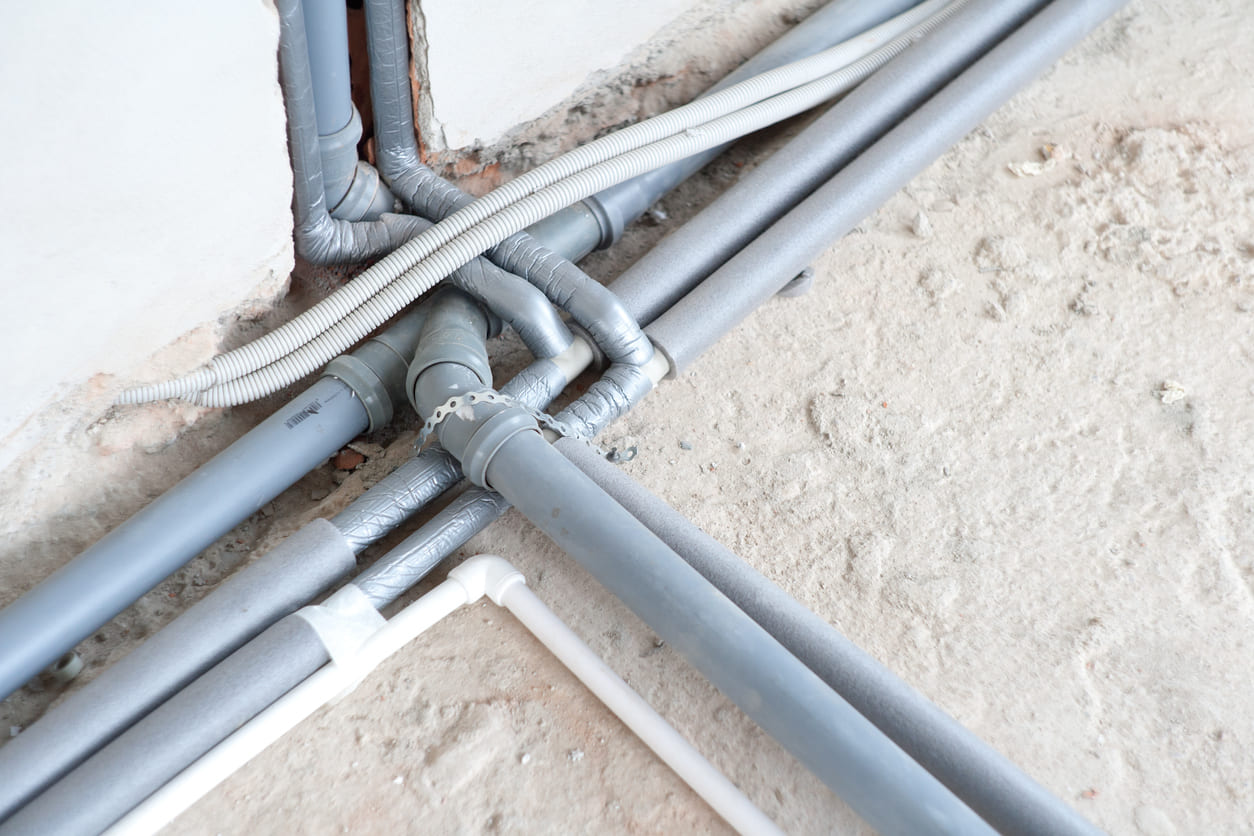
Repiping in Ponte Vedra, FL
One plumbing leak may call for a simple repair. Repeated leaks in different rooms, declining flow at several fixtures, or visible corrosion across multiple lines can point to a larger supply-pipe problem. King of Home Solutions provides repiping in Ponte Vedra, FL when aging or unreliable water lines need planned replacement instead of another isolated patch.
We look at leak history, pipe material, pressure, fixture performance, access, and the condition of the lines that would remain before recommending a partial or whole-home repipe.
4.9 ⭐
Google Rating
BBB
Accredited Business
Locally-Owned & Operated
Same-Day Service Available
Proudly Serving the Jacksonville Area
5151-5 Sunbeam Road Jacksonville, FL 32257
Call 904-865-4663
Reliable Repiping Backed by Happy Clients
See how our dependable repiping solutions have helped local customers stay cool, comfortable, and confident.

When Do Repeated Repairs Point Toward Repiping?
Repiping becomes worth discussing when plumbing problems stop behaving like isolated failures.
Signs that deserve a broader evaluation include:
- Leaks developing in unrelated areas of the home
- Corrosion appearing on several exposed pipes or fittings
- Water flow dropping across multiple fixtures
- Pressure changing sharply when another fixture starts
- Discolored water appearing from more than one tap
- Repeated wall or ceiling access for new pipe repairs
- Older pipe sections failing while newer sections remain sound
One leak does not prove the entire house needs new piping. The wider failure pattern matters more.
Our main repiping service explains the broader replacement options available.
What Does a Repiping Project Actually Replace?
Residential repiping focuses on the pressurized hot and cold water distribution lines that serve fixtures and appliances.
Depending on the approved scope, new piping may serve:
- Kitchen and bathroom faucets
- Showers and tubs
- Toilets
- Washing machines
- Dishwashers
- Refrigerators
- Hose connections
- Water heaters
- Other water-fed fixtures
Repiping does not automatically replace drains, sewer piping, fixtures, water heaters, or appliances. Those are separate systems unless related connection work is specifically included.
Why Supply Piping Can Become Unreliable
Corrosion and Material Deterioration
Metal piping can deteriorate internally or externally. Visible rust, staining, deposits, or repeated pinhole leaks can be warning signs, especially when failures appear in several areas.
Pressure Stress
Excessive or unstable pressure can add stress to pipes, valves, fittings, hoses, and fixture connections.
Replacing supply lines will not correct an unresolved pressure problem, so pressure should be measured and addressed separately when needed.
Previous Repairs and Mixed Pipe Materials
Homes that have been remodeled or repaired over time may contain several generations of piping.
A newer addition may have serviceable lines while older branches elsewhere continue to fail.
Restricted Interior Flow
Corrosion or buildup inside older piping can reduce usable flow. When low flow affects several fixtures, the supply piping may deserve broader evaluation.
Partial Repipe or Whole-Home Repipe: What Scope Makes Sense?
This is the main decision on a repiping project.
A Partial Repipe May Make Sense When:
- Failures are limited to one defined area
- Other supply lines are newer and remain serviceable
- One material is failing while another section is performing normally
- Leak history is concentrated in one branch or zone
- New piping can connect reliably to the lines that stay in service
A partial repipe may address one bathroom group, one wing, or another clearly defined section. Older lines outside the project remain in service, so their age, material, and leak history still matter.
A Whole-Home Repipe May Make Sense When:
- Leaks occur across several branches
- The same deteriorating material runs throughout the home
- Restriction or corrosion affects multiple fixture groups
- Previous repairs have become frequent
- Remaining older lines would be difficult to access later
- One coordinated replacement is more practical than repeated openings
The scope should match the overall distribution system, not just the newest leak.
PEX or Copper: What Should Homeowners Compare?
King of Home Solutions offers PEX and copper options for repiping projects.
PEX
PEX is flexible, which can make routing through walls, ceilings, attics, closets, and utility areas practical. It still requires proper sizing, support, protection, and installation.
Copper
Copper is rigid and can be practical where layout, access, and installation conditions support it. Complex routes may require more fittings than flexible piping.
Neither material is automatically best for every house. Layout, access, budget, project scope, and homeowner preference all matter.
How Mixed Piping Changes the Repipe Decision
Some homes contain original plumbing, newer additions, and previously replaced branches. A repipe does not necessarily mean every newer line should be removed. Serviceable sections may remain when they are compatible with the new layout and are not contributing to recurring failures.
How We Plan Repiping Around an Occupied Home
We begin by reviewing fixture locations, leak history, pipe materials, pressure concerns, previous repairs, and available routing paths.
The work plan identifies which lines will be replaced, where new piping can run, what areas require access, and how fixtures will reconnect.
Important planning points include:
- Wall, ceiling, cabinet, attic, or utility access
- Water shutoff timing
- New hot and cold line routes
- Pipe sizing
- Fixture reconnection
- Testing after installation
- Finish restoration responsibilities
Water service may be interrupted during portions of the work, so the shutdown plan should be clear before installation begins.
What Should You Expect From Wall and Ceiling Access?
Repiping usually requires access to concealed lines.
That can mean controlled openings in drywall, ceilings, cabinets, or other finishes near routing changes and fixture groups.
Before work starts, the scope should clearly state which access openings are expected and who is responsible for restoring drywall, paint, tile, insulation, cabinetry, or other finishes afterward.
Plumbing replacement and finish restoration are not always handled under the same scope. This also helps reduce surprises once walls or ceilings open.
When Repiping Will Not Fix the Problem
Repiping replaces supply lines. It will not solve every low-pressure, leak, or plumbing complaint.
Another service may be more appropriate when:
- Low pressure comes from the utility supply
- A pressure regulator is failing
- One fixture has a clogged aerator or showerhead
- A single valve or fitting is leaking
- Drain or sewer piping is causing backups
- A water heater is creating the problem
- A concealed leak still needs to be located
When the main question is where water is escaping, leak detection and repair may be the better first step.
Will Repiping Improve Low Water Pressure?
Sometimes, but only when restricted supply piping is the cause.
If several fixtures have weak flow because old pipe interiors have narrowed, replacing those lines may improve delivery.
Repiping will not correct inadequate municipal pressure, a regulator problem, or a restriction limited to one faucet or showerhead.
Identify the cause before treating low pressure as a reason for whole-home replacement.
Repiping in Ponte Vedra Homes
Ponte Vedra and surrounding St. Johns County include newer, established, and remodeled homes where plumbing age and routing can vary within the same property.
One property may have uniform piping; another may contain original lines plus newer branches.
For repiping in Ponte Vedra, FL, that history matters because the best project may be a complete replacement or a targeted scope that preserves serviceable sections.
Water lines may run through walls, ceilings, attics, garages, slabs, or utility spaces, so routing should reflect the actual building.
What Should Be Clear Before You Approve a Repipe?
Before work begins, make sure the proposal explains:
- Whether the project is partial or whole-home
- Which existing lines will remain
- Which pipe material is proposed
- Where new routes will run
- Which rooms require access
- How water shutoffs will be handled
- Which fixtures will be reconnected
- What testing is included
- What finish restoration is included or excluded
A clear scope makes proposals easier to compare.
Repiping Near Ponte Vedra
We provide repiping in Ponte Vedra and nearby communities including Fruit Cove, Palm Valley, Sawgrass, and Nocatee.
If you live elsewhere nearby, contact us to confirm whether your address is within our current service areas.
Need something else in Ponte Vedra? We also offer drain cleaning in Ponte Vedra, water heater installation in Ponte Vedra, and water heater repair in Ponte Vedra.
Helpful Repiping Resources
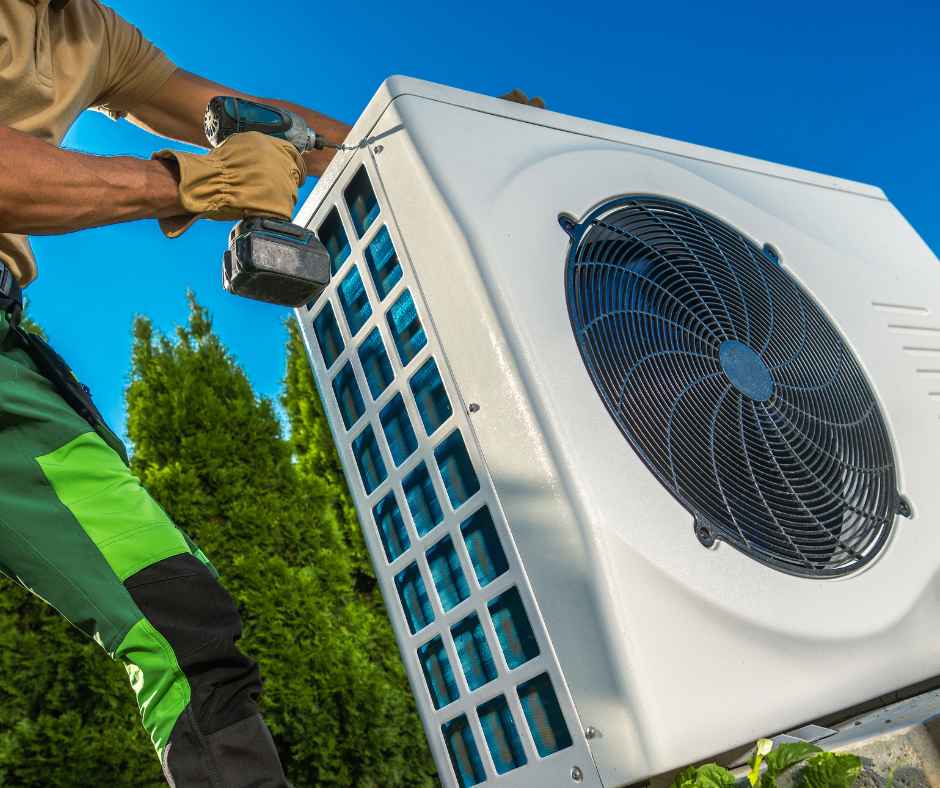
Heat Pump Outdoor Unit Runs but No Heat Comes From the Vents
If your heat pump outdoor unit is running but no heat is coming from the vents, the problem may be...

Why Your Toilet Makes a Hissing Sound When Nobody Is Using It
A toilet hissing when not in use usually means water is entering the tank when it should have stopped. Common...
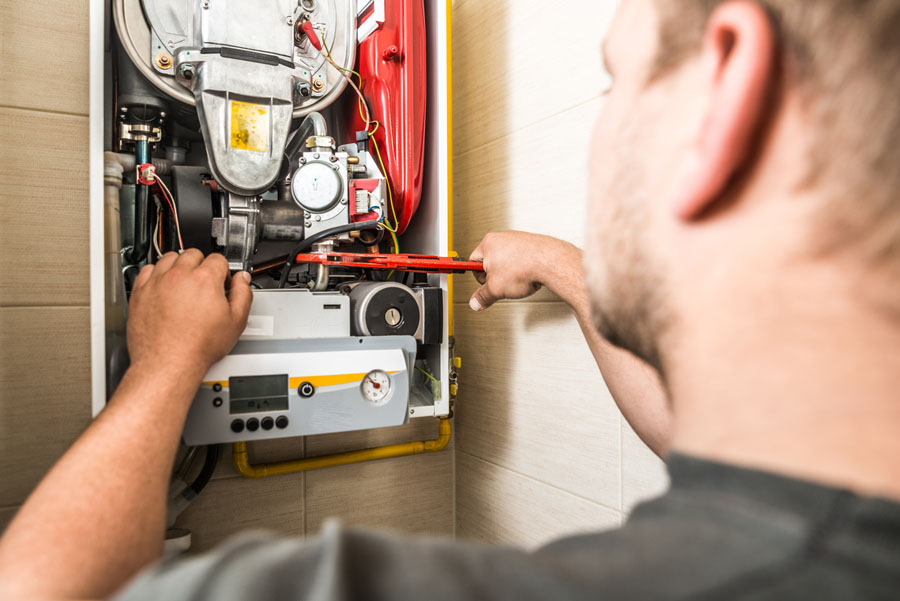
Furnace Making a Buzzing Noise but Not Starting: What Does It Mean?
A furnace buzzing but not starting may have a failing blower motor, faulty capacitor, malfunctioning relay, loose electrical connection, or...

Why North Florida Homes Are Switching to Heat Pumps in 2026
Your Jacksonville air conditioner is 14 years old. The technician gives you the bad news: the compressor is failing, the...

Top 5 Garage Door “Curb Appeal” Trends in Jacksonville: 2024 Edition
Drive through Jacksonville neighborhoods and one exterior feature is becoming harder to ignore. The garage door. On many Florida homes,...
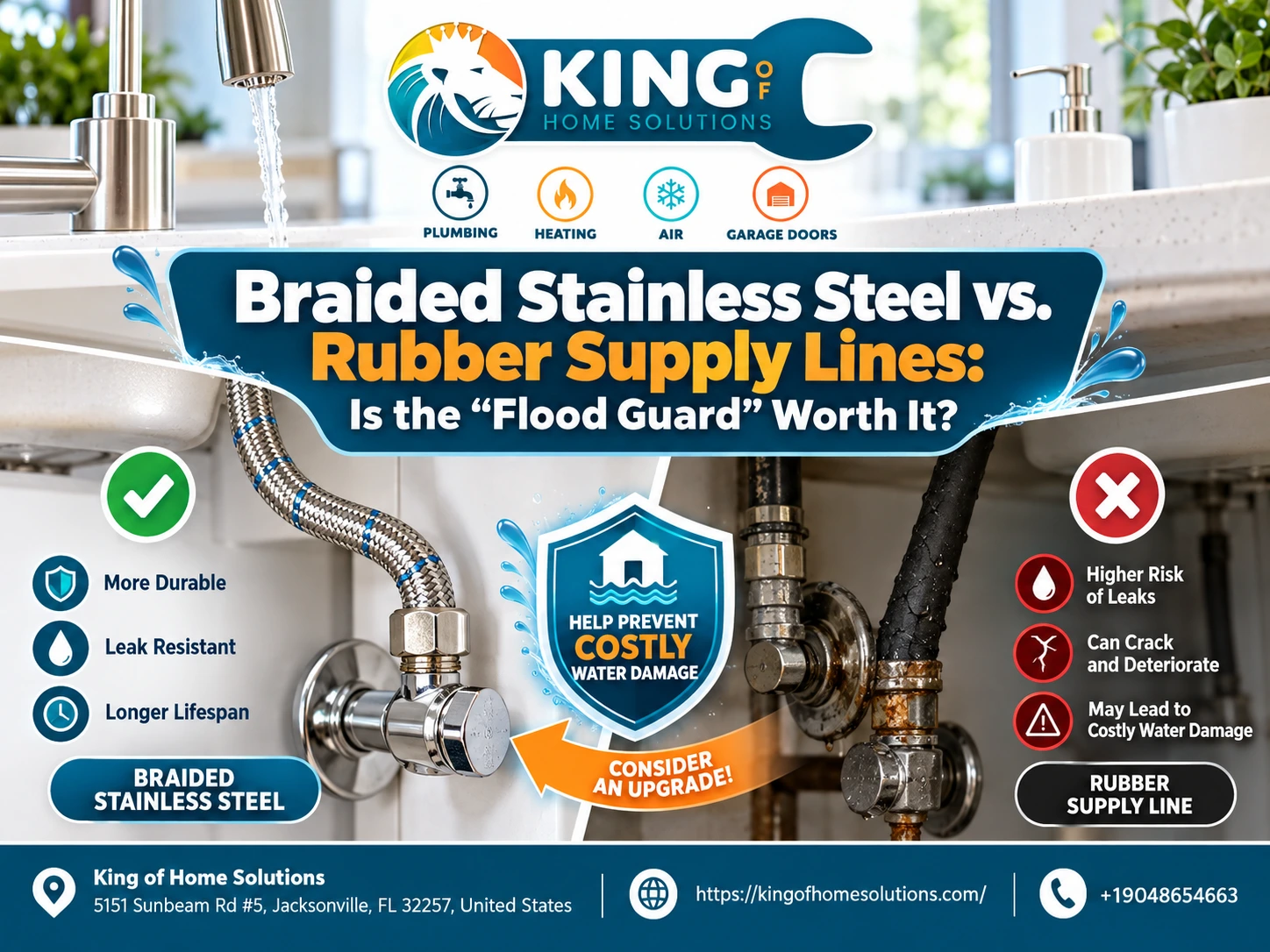
Braided Stainless Steel vs. Rubber Supply Lines: Is the “Flood Guard” Worth It?
Behind your washing machine are two small hoses most homeowners rarely think about. One carries hot water. One carries cold...

Repiping FAQs
Related Plumbing Services

Plumbing
Plumbing issues rarely appear at a convenient time.

Faucets and Fixtures
Fresh Fixtures, Better Function, Expertly Installed
Faucets and fixtures may seem like small details, but they play a big role in both the look and functionality of any bathroom.
Water Heater Maintenance
Protect Your Hot Water With Preventative Maintenance
Your water heater works hard every day—but without regular maintenance, it can wear down faster, use more energy, and become prone to unexpected breakdowns.
Tankless Water Heaters
Modern Comfort Starts With a Tankless Upgrade
Tired of running out of hot water? Tankless water heaters provide an energy-efficient solution that delivers hot water exactly when you need it—no waiting, no waste.

Start Your Ponte Vedra Repiping Project
Repeated leaks, widespread corrosion, or weak flow across several fixtures can point to a supply system that needs more than another spot repair. We can evaluate the existing piping, compare partial and whole-home options, explain material and routing choices, and define the access, shutoff, testing, and restoration responsibilities before work begins. Call (904) 364-1862 or fill out our contact form to schedule a repiping assessment in Ponte Vedra.