Serving The Jacksonville Area

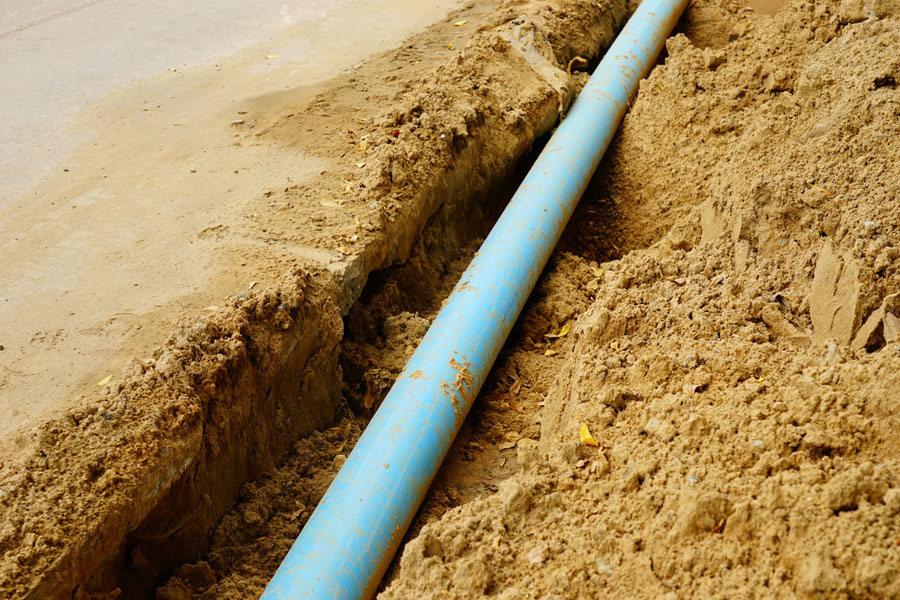
Sewer Line Repair in Ponte Vedra, FL
Repeated backups, wastewater rising through a lower shower, or a toilet that gurgles when another fixture drains can point to more than a simple clog. King of Home Solutions provides sewer line repair in Ponte Vedra, FL when inspection shows cracks, offsets, bellied sections, root entry, collapse, or other structural problems in the main line.
The repair decision should come from the condition of the pipe itself. We use drainage patterns, previous service history, accessible cleanouts, and camera findings to determine what failed, how much of the line is affected, and whether a localized repair or a larger replacement is justified.
4.9 ⭐
Google Rating
BBB
Accredited Business
Locally-Owned & Operated
Same-Day Service Available
Proudly Serving the Jacksonville Area
5151-5 Sunbeam Road Jacksonville, FL 32257
Call 904-865-4663
Reliable Sewer Line Repair Backed by Happy Clients
See how our dependable sewer line solutions have helped local customers stay cool, comfortable, and confident.

When Does a Drainage Problem Point to the Main Sewer Line?
One slow sink or tub usually starts with a local drain problem.
A main sewer line serves multiple fixtures, so symptoms affecting different areas of the home deserve closer attention.
Watch for:
- Several drains slowing at the same time
- Toilets gurgling when another fixture empties
- Wastewater rising through a shower or floor drain
- Main-line backups that return after cleaning
- Sewage odors near drains or outdoors
- Soft or unusually wet ground along a buried line
- Camera findings showing cracks, offsets, roots, standing water, or collapse
What Can Physically Damage a Sewer Line?
Root Entry Through Cracks or Joints
Roots can enter through cracks, separated joints, or deteriorated connections where moisture is present.
Removing the roots may restore flow, but it does not close the opening that allowed them into the pipe. When camera findings show a damaged joint or crack, repair may be needed to address the entry point.
Bellied or Settled Sections
A sewer line needs consistent slope so wastewater can move away from the home.
If a section settles, a low spot can hold water, paper, and solids. Cleaning may clear an immediate blockage, but it cannot correct the sag itself.
Cracks, Breaks, and Offset Joints
Buried piping can crack, split, or move out of alignment.
The right repair depends on the location, length, and severity of the damaged section and whether the surrounding pipe remains serviceable.
Deteriorated Pipe
Older or damaged piping can become rough, weakened, deformed, or structurally unreliable.
One limited defect may support a localized repair. Widespread deterioration can make a larger replacement more practical.
Why Camera Findings Should Guide the Repair
A sewer camera helps show whether the line is structurally sound after flow has been restored.
That matters because two homes can have the same backup symptoms but very different pipe conditions.
Camera findings may reveal:
- Root entry points
- Cracked pipe
- Separated or offset joints
- Standing water
- Bellied sections
- Heavy deterioration
- A collapsed segment
- A line that is intact but still needs cleaning
The purpose is not simply to prove that a problem exists. It is to document what kind of defect is present and how much of the line is affected.
Cleaning or Repair: What Does the Line Actually Need?
Drain cleaning and sewer repair solve different problems.
Cleaning may be enough when grease, debris, soft buildup, or another removable obstruction is restricting a pipe that remains structurally sound.
Repair becomes more likely when a physical defect keeps creating the same problem.
Cleaning May Be Enough When:
- Pipe walls remain intact
- The obstruction can be removed
- Flow returns normally afterward
- No significant standing water remains
- No major crack, offset, or collapse is visible
- The blockage does not return quickly
Repair May Be Needed When:
- A crack or failed joint allows roots or soil inside
- A section has collapsed
- A belly repeatedly holds wastewater
- Pipe alignment has failed
- Structural damage extends beyond one blockage
- Backups keep returning after proper cleaning
Our drain cleaning service is the better fit when buildup is the primary problem and the pipe itself remains sound.
How We Decide Between a Localized Repair and a Larger Replacement
The camera inspection should show not only the defect but also the condition of the pipe around it.
A localized repair can make sense when:
- Damage is limited to one section
- The surrounding pipe remains in usable condition
- Slope and alignment are acceptable beyond the defect
- There are no repeated failures along the rest of the line
- Access to the damaged section is practical
A larger replacement may deserve consideration when:
- Deterioration affects several areas
- Multiple offsets or bellies are present
- The line has collapsed in more than one location
- Repeated repairs have already been needed
- The remaining pipe is unlikely to provide reliable service
The repair scope should match the documented condition, not simply the most visible symptom.
That comparison keeps the repair focused on documented pipe damage while preserving sound sections that do not need unnecessary replacement or excavation.
What Site Conditions Can Change the Repair Plan?
Buried sewer work depends on more than the pipe defect.
The repair scope can also be affected by:
- Pipe depth
- Cleanout access
- Driveway or patio crossings
- Landscaping
- Nearby utilities
- Fences or structures
- Branch connections
- The location of the damaged segment
A shallow section in open soil may be easier to access than a deeper section below a hardscape area.
Why Bellied Sewer Lines Keep Causing Trouble
A belly is a low section in the sewer line where wastewater can collect instead of continuing downhill.
That standing water can allow paper and solids to settle in the same area repeatedly.
Snaking or hydro jetting may restore flow temporarily if buildup forms there, but cleaning cannot restore the original slope of the pipe.
When camera footage shows a pronounced belly tied to repeated backups, repair planning should focus on correcting the affected section rather than repeatedly clearing the same low point.
Why Root Removal May Not Be the Final Fix
The important question is how the roots entered.
If roots are present but the pipe remains structurally intact, cleaning may address the obstruction.
If roots are entering through a crack, failed joint, or separated connection, removing them does not repair that opening. The same path may allow roots to return.
Camera findings help distinguish those situations.
When Sewer Line Repair Is Not the Right Service
Another solution may be more appropriate when:
- The problem affects only one fixture
- Grease or debris is the only obstruction
- The main line is structurally sound
- Interior branch piping is the actual problem
- A private septic system is causing the backup
- The issue is beyond the private sewer line
Sewer Line Repair in Ponte Vedra Homes
Ponte Vedra and surrounding St. Johns County include newer development and established properties, so sewer-line materials, routing, depth, previous repairs, and access conditions can vary from home to home.
Periods of heavy rainfall can make an existing drainage problem more noticeable when surrounding soil becomes saturated. Rain alone does not prove that a buried pipe is broken.
For sewer line repair in Ponte Vedra, FL, the important evidence is what the line inspection shows: a crack, offset, belly, root entry point, collapse, or another documented structural defect.
Site conditions also matter. Landscaping, patios, driveways, utility locations, and pipe depth can affect how a repair is approached once the damaged section is identified.
What to Do When Wastewater Starts Backing Up
When several fixtures are backing up, stop adding more water to the drainage system.
Avoid running showers, washing machines, dishwashers, or other high-volume fixtures until the problem is assessed.
Keep people and pets away from wastewater.
If the backup follows heavy rain, note the timing. If the property uses a private septic system, mention that as well because it changes the diagnostic path.
Sewer Line Repair Near Ponte Vedra
We provide sewer line repair in Ponte Vedra and nearby communities including Julington Creek Plantation, Ponte Vedra Beach, St. Augustine, and Orangedale.
If you live elsewhere nearby, contact us to confirm whether your address is within our current service areas.
Need something else in Ponte Vedra? We also offer repiping in Ponte Vedra, drain cleaning in Ponte Vedra, and water heater installation in Ponte Vedra.
Helpful Sewer Line Resources
Heat Pump Outdoor Unit Runs but No Heat Comes From the Vents
If your heat pump outdoor unit is running but no heat is coming from the vents, the problem may be...
Why Your Toilet Makes a Hissing Sound When Nobody Is Using It
A toilet hissing when not in use usually means water is entering the tank when it should have stopped. Common...
Furnace Making a Buzzing Noise but Not Starting: What Does It Mean?
A furnace buzzing but not starting may have a failing blower motor, faulty capacitor, malfunctioning relay, loose electrical connection, or...

Why North Florida Homes Are Switching to Heat Pumps in 2026
Your Jacksonville air conditioner is 14 years old. The technician gives you the bad news: the compressor is failing, the...

Top 5 Garage Door “Curb Appeal” Trends in Jacksonville: 2024 Edition
Drive through Jacksonville neighborhoods and one exterior feature is becoming harder to ignore. The garage door. On many Florida homes,...

Braided Stainless Steel vs. Rubber Supply Lines: Is the “Flood Guard” Worth It?
Behind your washing machine are two small hoses most homeowners rarely think about. One carries hot water. One carries cold...

Sewer Line Repair FAQs
Related Plumbing Services
Drain Cleaning
Clear Clogs Fast With Professional Drain Cleaning
A slow or backed-up drain is more than an inconvenience.
Toilets
Dependable Toilet Repairs and Installations Done Right
A malfunctioning toilet can disrupt the flow of the entire household—especially when leaks, clogs, or flush issues strike without warning.
Sewer Lines
Sewer Line Problems Solved With Precision and Speed
Sewer line issues can quickly become serious: causing backups, unpleasant odors, and even property damage if left untreated.
Water Heater Maintenance
Protect Your Hot Water With Preventative Maintenance
Your water heater works hard every day—but without regular maintenance, it can wear down faster, use more energy, and become prone to unexpected breakdowns.

Book Your Sewer Line Repair in Ponte Vedra
Repeated backups, wastewater rising through lower fixtures, or camera findings showing pipe damage deserve a repair plan based on the actual defect. We can identify what is wrong, explain how much of the line is affected, and recommend the next step based on pipe condition and site access. Call (904) 364-1862 or fill out our contact form to schedule sewer line repair in Ponte Vedra.