Serving The Jacksonville Area

Sewer Line Repair in St. Augustine, FL
One clogged drain and a recurring whole-house backup are not the same plumbing problem. When several drains slow down together, toilets begin gurgling, sewage odors persist, or a main-line blockage returns after cleaning, the condition of the sewer pipe itself may need to be evaluated.
Our sewer line repair work in St. Augustine starts with finding out whether the line is obstructed or physically damaged. King of Home Solutions uses the history of the problem, available access, and sewer-camera findings where appropriate to determine what the pipe actually needs before discussing repair or replacement.

4.9 ⭐
Google Rating
BBB
Accredited Business
Locally-Owned & Operated
Same-Day Service Available
Proudly Serving the Jacksonville Area
5151-5 Sunbeam Road Jacksonville, FL 32257
Call 904-865-4663
Reliable Sewer Line Repair Backed by Happy Clients
See how our dependable sewer line solutions have helped local customers stay cool, comfortable, and confident.

When Sewer Problems Go Beyond a Routine Clog
A main sewer line carries wastewater from multiple fixtures away from the home. When that line becomes damaged, displaced, heavily obstructed, root-affected, or collapsed, the symptoms can involve more than one bathroom or drain.
Problems that may require sewer-line repair include:
- Cracked or broken pipe sections
- Offset or separated joints
- Root intrusion through damaged areas
- Corroded or deteriorated pipe
- Low sections that hold wastewater
- Severe blockage combined with pipe damage
- Partial or complete collapse
A backup by itself does not confirm structural damage. Heavy buildup or foreign material can also restrict a main line, which is why we look at the condition inside the pipe before recommending repair.
Signs the Main Sewer Line Deserves a Closer Look
One slow sink or tub is usually different from a whole-house drainage problem. A main-line issue becomes more likely when symptoms affect several fixtures or keep returning.
Call us if you notice:
- Multiple drains slowing or backing up around the same time
- Wastewater rising into a tub, shower, or floor drain
- Toilets bubbling when another fixture is used
- Persistent sewage odors from multiple areas
- A blockage that comes back soon after drain cleaning
- Wastewater or unusual wet areas near the sewer route
- Repeated drainage problems without an obvious fixture-level cause
What Can Cause a Sewer Line to Fail or Keep Backing Up?
Different sewer problems can produce similar symptoms, so we avoid blaming one cause without evidence.
Root Entry Through a Defect
Roots can enter through cracks, failed joints, or other openings. Once inside, they can catch debris and contribute to recurring blockages.
Aging or Deteriorated Pipe
Some pipe materials can weaken, corrode, crack, or lose structural integrity over time. Property age alone does not tell us the line is bad, so the condition still needs to be inspected.
Pipe Movement or Alignment Problems
Sections can shift or joints can separate. A low area can also hold wastewater and solids instead of allowing them to move consistently through the line.
Installation or Grade Issues
If a sewer section has poor alignment or slope, waste may not flow as intended. A camera evaluation can help show whether that is contributing to repeated problems.
Foreign Material or Severe Buildup
Grease, wipes, debris, or other material can create a significant blockage. If the pipe itself is structurally sound, cleaning may still be the right service.
Why a Sewer Camera Inspection Helps Separate a Clog From Pipe Damage
Several main-line problems can feel the same inside the home. Gurgling toilets, slow drains, or backups can happen with heavy buildup, root intrusion, a separated joint, or a collapsed section.
A sewer camera helps us see what is happening inside the pipe.
When access and line conditions allow, we feed a high-definition camera through the sewer line. The inspection may reveal buildup, roots, cracks, joint separation, standing water, deterioration, or a collapsed area. Locator equipment can also help identify where an observed defect is positioned from above ground.
Sometimes the line needs to be cleared before the camera can provide a useful view. A heavily obstructed pipe can block visibility, so cleaning may be part of the diagnostic process rather than the final solution.
The camera can also show whether a line appears structurally intact after cleaning or whether there is a defect that explains why the same blockage keeps returning.
If your main line keeps backing up after cleaning, our team can inspect the pipe and help determine whether you are dealing with another clog or actual pipe damage.
How We Evaluate a Recurring Sewer-Line Problem
We follow a step-by-step process instead of jumping straight to replacement.
We start with the history.
We ask which fixtures are affected, how often backups happen, whether the line has been cleaned before, and how quickly the symptoms returned.We check available access.
Cleanouts and other access points help us determine how the line can be inspected or cleared.We look inside the pipe.
Where conditions allow, camera inspection helps us review the line and identify the location and severity of visible defects.We assess the surrounding pipe.
A single damaged section is different from a line with several failed areas or widespread deterioration.We explain the options.
The repair plan depends on what the camera findings, access, pipe condition, and site conditions show.
Drain Cleaning vs. Sewer Line Repair
Professional drain cleaning removes buildup and obstructions so wastewater can move through the line again. It may be enough when the pipe remains structurally sound.
Sewer line repair addresses confirmed physical defects.
If cleaning restores normal flow and inspection shows the pipe is usable, repair may not be necessary. If the line contains a crack, collapse, separated joint, significant low section, or another defect, cleaning alone cannot correct that structural problem.
This distinction is especially important when the same main-line blockage keeps coming back.
How We Choose the Right Sewer Repair Method
Once we know what is wrong, the next question is how much of the line actually needs work.
Targeted Repair
A localized repair may be appropriate when one section is damaged but the surrounding pipe remains in good condition. The defect length, depth, location, and access all affect whether this approach makes sense.
Conventional Replacement
Traditional excavation may be the better option when the line is collapsed, badly misaligned, difficult to access another way, or damaged across a larger section. Open access also allows the failed pipe to be removed and replaced directly.
Trenchless Sewer Repair
King of Home Solutions offers trenchless methods where the line and property are suitable. These options can reduce the amount of continuous excavation required.
We consider the pipe's alignment, remaining structural condition, branch connections, depth, access points, defect type, and the length of affected pipe before recommending trenchless work.
Not every sewer line is a trenchless candidate. The repair method follows the condition of the pipe, not a one-size-fits-all preference.
You can learn more on our sewer line services page.
When a Localized Repair Is No Longer Practical
A small repair only makes sense when the rest of the line is worth preserving.
Broader replacement may be more practical when the camera shows widespread deterioration, several failed sections, a major collapse, repeated failures along the same route, extensive root entry through multiple defects, or a long grade problem.
We also look at whether repairing one spot is likely to leave another known weak section immediately beside it.
The goal is to choose a scope that matches the condition of the affected line.
Sewer Line Situations We See Around St. Augustine
St. Augustine properties can present different sewer-access and inspection situations, so we look at the property itself rather than relying on age alone.
Older or Previously Remodeled Properties
On older homes or properties that have been expanded, previous repairs and additions can affect how the sewer line is routed and where cleanouts are located. We pay attention to pipe material, visible previous work, access, and how newer sections connect to the existing line.
Homes With Mature Landscaping
Large trees or established landscaping near the sewer route can be relevant, but nearby roots alone do not prove the cause of a backup. What matters is whether the camera shows roots entering through a damaged joint, crack, or other defect.
Newer St. Johns County Homes
Newer construction can still develop sewer problems. Foreign material, an isolated installation issue, a displaced connection, or a localized defect can create recurring backups even when the overall system is relatively new.
Problems That Appear After Heavy Rain
Wet ground or standing water outside does not automatically mean the sewer lateral has failed. We compare the timing of the problem with fixture behavior, backup patterns, and what the camera shows inside the line.
Sewer Line Repair in St. Augustine and Nearby Communities
Our plumbing team serves St. Augustine and nearby St. Johns County communities including St. Johns, Fruit Cove, Julington Creek Plantation, Nocatee, and Palm Valley.
If you are nearby but do not see your community mentioned, contact King of Home Solutions and we can confirm service availability for your address.
Helpful Resources

Electrolysis: The Teal-Green Growth “Eating” Your Jacksonville Copper Pipes
You open the cabinet beneath the sink and notice something strange around a copper pipe. A joint that used to...

Cost of a “Smart Garage” Upgrade in Jacksonville
You’re halfway to work when the question hits you: “Did I close the garage door?” For many Jacksonville homeowners, that...

Review: LiftMaster vs. Genie Garage Door Openers 2024 Edition
Your old garage door opener finally gives up. Now you have a decision to make. Do you buy a LiftMaster,...

Cast Iron vs. PVC: The Sewer Line Showdown for Older Jacksonville Homes
You find the perfect older Jacksonville house. Original hardwood floors. Mature oaks. A shaded front porch. The kind of character...

Top 5 HVAC “Scams” Jacksonville Homeowners Should Watch For
Your air conditioner stops cooling on a 94-degree Jacksonville afternoon. The house is getting hotter by the minute. The humidity...
Why Your Kitchen Sink Has “Low Pressure” but the Shower Is Fine
You turn on the kitchen faucet and get a weak stream. Then you walk into the bathroom, turn on the...

Sewer Line Repair FAQs
Related Plumbing Services
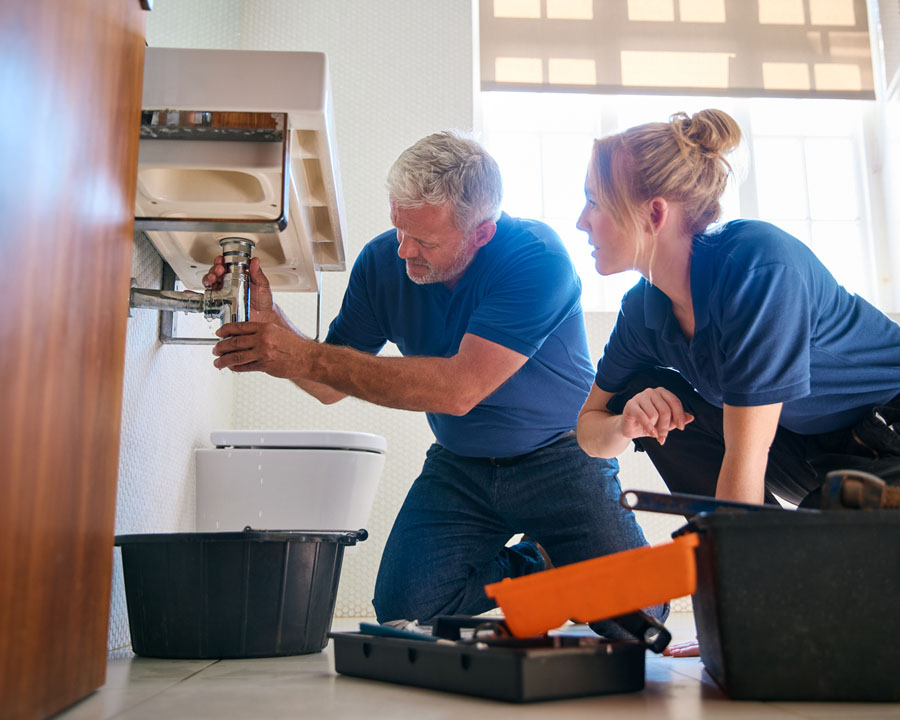
Bathroom Plumbing
Professional Plumbing for Every Bathroom in the Home
Bathrooms rely on well-functioning plumbing for comfort, hygiene, and efficiency—so when something goes wrong, it needs expert attention.
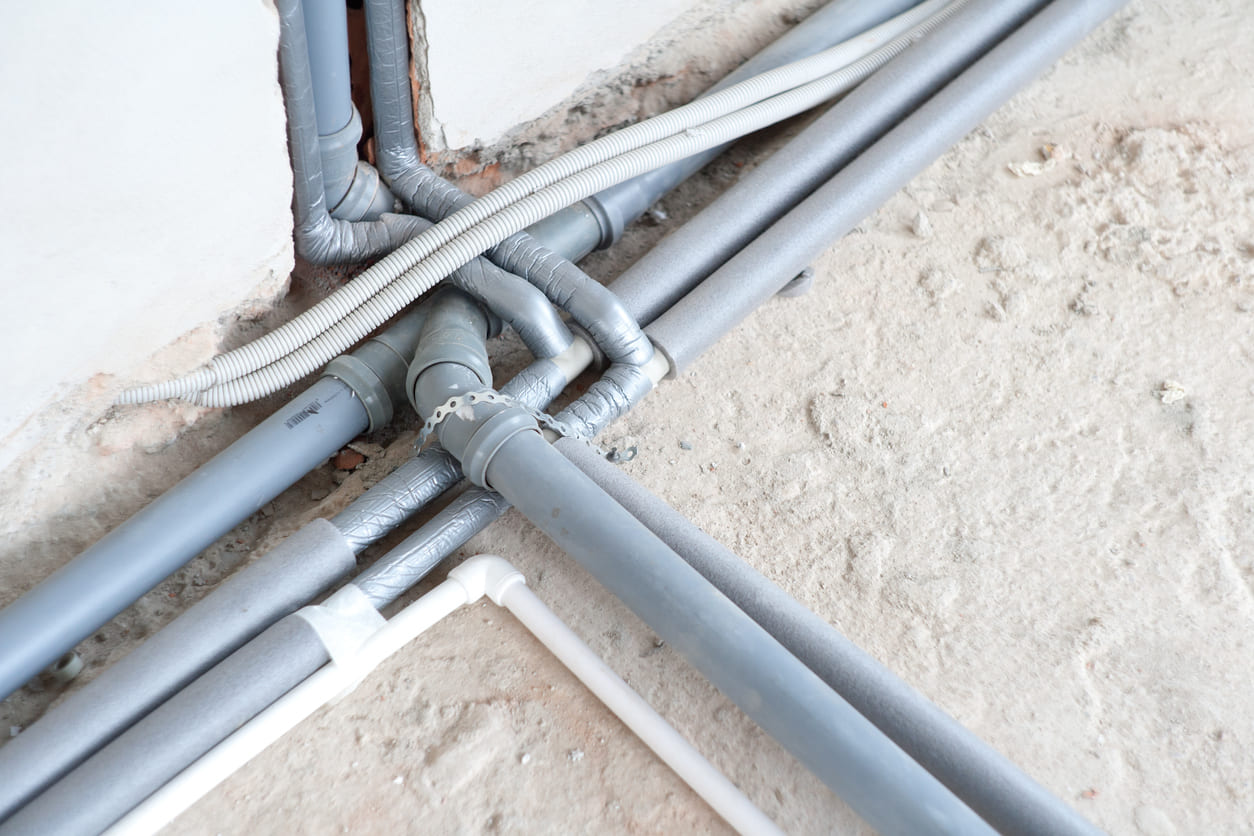
Repiping
Restore Water Flow and Reliability With Whole-Home Repiping
Old, corroded, or leaking pipes can cause everything from low water pressure to costly water damage—and repiping is often the most effective solution.

Drain Cleaning
Clear Clogs Fast With Professional Drain Cleaning
A slow or backed-up drain is more than an inconvenience.
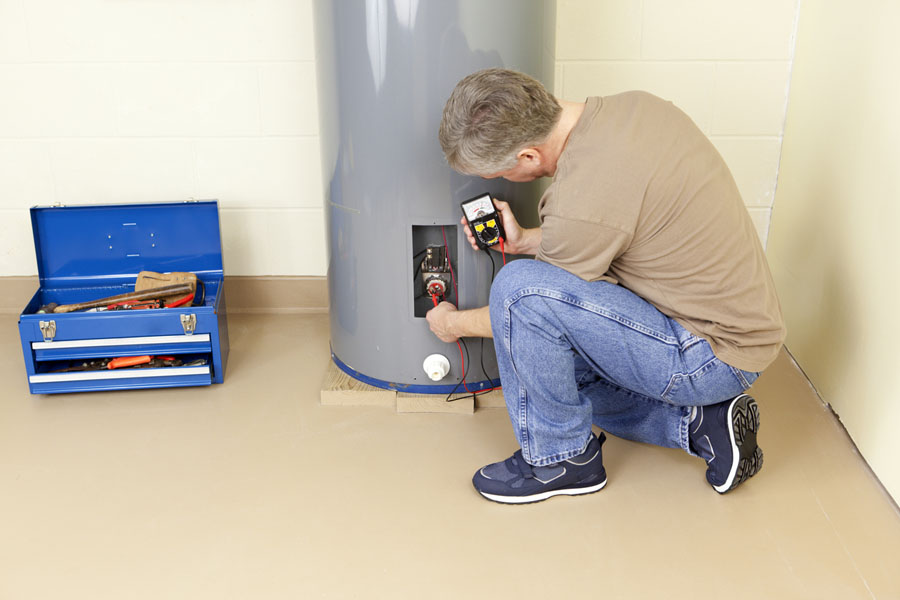
Water Heater Repair
No Hot Water? Here’s What’s Likely Happening
When a standard tank water heater stops working, the disruption is immediate.

Request a Sewer Line Evaluation in St. Augustine
Recurring backups or multiple slow drains? Contact King of Home Solutions today to request a sewer line evaluation in St. Augustine.