Serving The Jacksonville Area

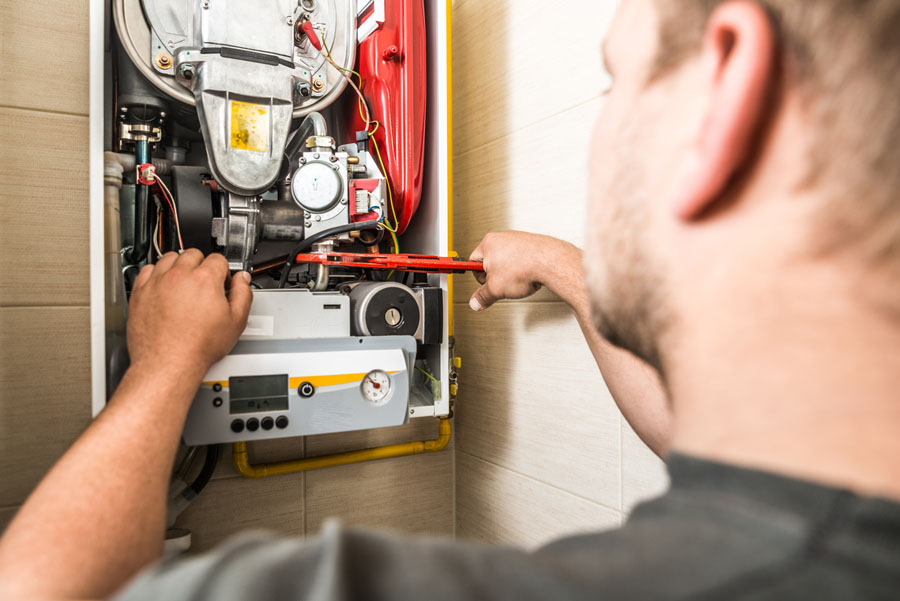
Furnace Repair in St. Augustine, FL
If your furnace will not produce heat, keeps shutting off, has trouble igniting, or is moving very little air, the problem should be diagnosed before it gets worse. St. Augustine may have mild winters compared with colder regions, but a furnace failure still becomes noticeable quickly when a seasonal cold front moves through.
King of Home Solutions provides furnace repair in St. Augustine, FL for homes that use furnace-based heating.
Not every local property has a furnace. Many Northeast Florida homes rely on heat pumps instead, so the first step is confirming the equipment type and identifying what is actually preventing the home from heating properly.
4.9 ⭐
Google Rating
BBB
Accredited Business
Locally-Owned & Operated
Same-Day Service Available
Proudly Serving the Jacksonville Area
5151-5 Sunbeam Road Jacksonville, FL 32257
Call 904-865-4663
Reliable Furnace Repair Backed by Happy Clients
See how our dependable furnace solutions have helped local customers stay cool, comfortable, and confident.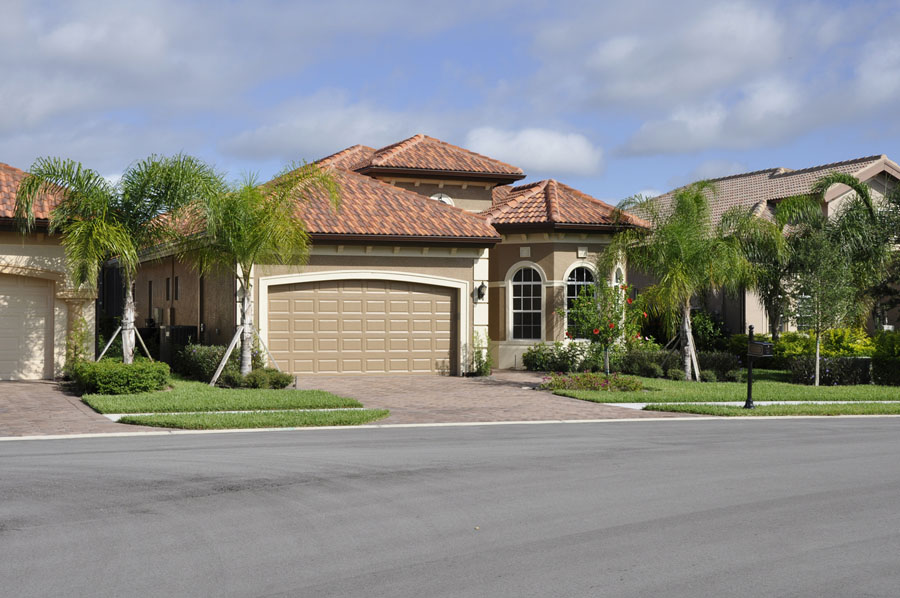

Furnace Repair for St. Augustine Homes
St. Augustine homes use several types of heating systems.
Heat pumps are common because they provide both heating and cooling, while some properties use furnace-based heat paired with separate air conditioning.
For those homes, furnace problems can involve ignition, controls, blowers, electrical components, airflow, thermostats, or safety devices.
If your home uses a heat pump rather than a furnace, heat pump repair in St. Augustine is the more relevant service. If you are unsure which heating system you have, our broader heating repair in St. Augustine page can help guide you toward the right service.
What Does a Furnace Repair Visit Include?
A furnace repair appointment should begin with diagnosis, not guesswork.
The technician may:
- review when and how the problem started
- confirm thermostat response
- inspect relevant ignition and heating components
- evaluate blower operation and airflow
- check electrical controls and connections
- review applicable safety devices
- identify the failed or abnormal component
- explain the recommended repair
- test the furnace after approved work is completed
The goal is to determine why the furnace is not operating correctly before parts are replaced.
Common Furnace Problems We Repair
No heat
The furnace may fail to start at all or may run without producing enough heat.
Ignition trouble
The equipment may attempt to start but fail to complete a normal heating cycle.
Short cycling
The furnace starts and stops repeatedly instead of running through a normal cycle.
Weak airflow
Warm air may be produced, but very little reaches the rooms.
Unusual noises
Grinding, buzzing, rattling, squealing, or repeated clicking can signal mechanical or electrical trouble.
Strange smells
Persistent burning, electrical, or fuel-related odors should be taken seriously.
Thermostat response problems
The thermostat may call for heat without the furnace responding correctly.
Common Causes of Furnace Problems
Different failures can produce similar symptoms, which is why diagnosis matters.
Ignition or control failure
Modern furnaces depend on controls that manage startup and normal heating operation.
A failed ignition component, control board, or related device may prevent the furnace from starting or cause it to shut down early.
Blower or motor problems
The furnace may generate heat normally but fail to move enough conditioned air if the blower motor or its controls are not working properly.
Airflow restrictions
Dirty filters, blocked returns, or duct restrictions can interfere with proper furnace operation and distribution.
Thermostat or electrical faults
Loose wiring, control-board problems, failed relays, or thermostat communication issues can interrupt normal heating cycles.
King of Home Solutions' Circuit Boards resource explains how HVAC control boards help manage startup, shutdown, blower operation, heating cycles, and safety functions.
Safety-control shutdown
Furnaces include controls designed to stop operation when certain conditions are abnormal.
If a safety device repeatedly shuts the system down, the underlying problem should be diagnosed rather than bypassed.
Why Furnace Ignition and Safety-Control Problems Require Professional Diagnosis
A furnace does more than create warm air.
The startup sequence may involve electrical controls, ignition components, airflow, temperature limits, and safety devices working in the proper order.
That means a furnace that repeatedly attempts to ignite and shuts off may not have a simple ignition problem. A safety control may be responding to another issue.
Homeowners can safely check basic items such as thermostat settings, open vents, and the condition of the air filter.
Internal gas, ignition, combustion, electrical, and safety-control work should be left to qualified technicians.
If you smell gas, notice persistent burning or electrical odors, or the furnace repeatedly trips electrical protection, stop operating the equipment and arrange professional service.
Why Furnace Problems May Appear When Cooler Weather Arrives
A furnace may receive very little use through much of St. Augustine's warm season.
When cooler weather arrives, the equipment is suddenly expected to complete full heating cycles again.
That change can reveal issues that were not noticeable while the furnace was idle, such as:
- unreliable ignition components
- weakened electrical controls
- blower problems
- dirty filters
- thermostat faults
Seasonal startup does not automatically damage a furnace. It may simply be the first time an existing problem becomes obvious.
Our Furnace Repair Process
Review the symptoms.
We start with what you have noticed, such as no heat, short cycling, weak airflow, unusual noise, or ignition trouble.Inspect the relevant components.
The technician checks the furnace parts connected to the complaint.Identify the cause.
The objective is to find the actual fault rather than replacing parts based only on symptoms.Explain the repair.
The recommended work and pricing are reviewed before approved repairs begin.Verify operation.
After repair, the furnace is tested again for heating performance, airflow, controls, and normal startup.
Furnace Repair vs. Furnace Replacement
A furnace does not need to be replaced simply because something failed.
Repair may make sense when:
- the problem is isolated
- the furnace has otherwise been reliable
- heating performance was good before the failure
- major components remain in reasonable condition
- the repair makes sense for the overall equipment condition
Replacement deserves consideration when:
- major failures keep returning
- severe corrosion or deterioration is present
- safety-related problems cannot be corrected practically
- sizing or comfort problems have persisted for years
- another large repair would still leave several major concerns unresolved
The question is not only whether the failed part can be replaced. It is also what that repair restores and what condition the rest of the furnace is in.
If replacement becomes the more practical option, visit furnace installation in St. Augustine.
King of Home Solutions' Homeowner's Guide to Furnace Repair also provides more detail on repair-versus-replacement decisions.
What Furnace Repair Cannot Fix Alone
Repair can restore failed furnace components, but it cannot correct every comfort problem.
Damaged ductwork: Leaking or disconnected ducts can lose heat before it reaches the living space.
Poor insulation: A home that loses heat quickly may remain uncomfortable even when the furnace is operating correctly.
Improper sizing: Repair cannot change a furnace that is fundamentally too large or too small for the property.
Severe deterioration: Extensive corrosion or an unsafe, obsolete setup may require a broader system evaluation.
For example, an older St. Augustine home may have a furnace that tests correctly but still develops cold rooms during a passing cold front. If leaking ducts and outdoor-air infiltration are responsible, replacing furnace components will not solve the underlying comfort problem.
Furnace Repair in St. Augustine's Seasonal Climate
Furnace repair in St. Augustine has a different context from service in regions where furnaces operate continuously for months.
Local heating demand is more seasonal, so problems may first appear when equipment returns to use during a cold front.
Older properties may also have aging ducts, altered layouts, insulation gaps, or newer HVAC equipment working within an older building envelope.
For homes with greater coastal exposure, moisture and salt-containing air may also contribute to corrosion on HVAC components and electrical connections over time.
The repair should fit the actual furnace and property rather than assuming every no-heat complaint has the same cause.
Why King of Home Solutions Stands Out for Furnace Repair
When a furnace stops working properly, we focus first on finding the actual cause of the problem. Our technicians troubleshoot ignition issues, blower problems, thermostat faults, airflow concerns, controls, and related electrical components before recommending a repair.
We serve St. Augustine and surrounding St. Johns County communities, work on major HVAC brands, and provide upfront repair pricing before approved work begins. If the furnace can be restored reliably with a practical repair, that is the direction we recommend. We can also support the system afterward with preventive heating maintenance.
Furnace Repair in Nearby Communities
King of Home Solutions also provides heating service in nearby St. Johns County communities including World Golf Village, Palm Valley, Nocatee, Picolata, and St. Johns.
Homeowners elsewhere near St. Augustine can contact the team to confirm service availability.
Helpful Furnace Repair Resources
The “Mandarin Slab” Problem: Why 1980s Jacksonville Homes Are Failing Now
You bought the house because you liked what everybody likes about Mandarin. The mature trees. The brick exterior. The established...
Fiberglass vs. Steel Entry Doors for Jacksonville Beach Homes
You replace the front door. It looks perfect. Then a few years of Jacksonville Beach weather get involved. Salt air...
Why Your Garage Door “Sweats” in August — and How to Stop It
You walk into the garage one August morning and the inside of the garage door is wet. Not a little...
Best “Salt-Resistant” Outdoor Finishes for Plumbing and HVAC
You live near Jacksonville Beach and install a brand-new outdoor AC unit. Two summers later, the cabinet screws are turning...
Air Purifiers vs. Whole-Home Scrubbers for Jacksonville Allergy Seasons
If you live in Jacksonville, allergy season can feel less like a season and more like a rotating schedule. Tree...
Why Your “Hurricane-Proof” Garage Door Is Actually Vibrating
You paid extra for a reinforced garage door. It has heavier panels, additional struts, stronger tracks, upgraded hardware, and maybe...

Frequently Asked Questions About Furnace Repair
Related Heating Services
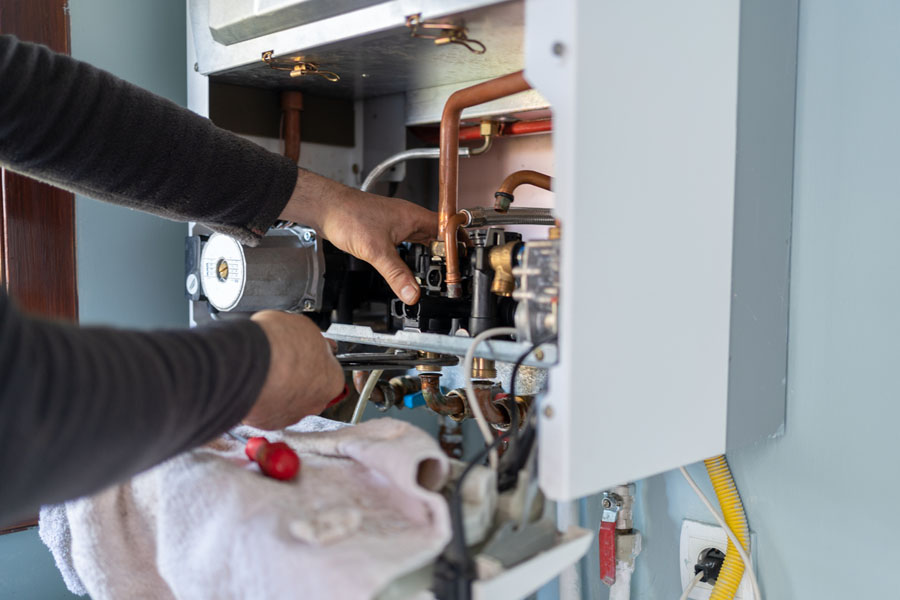
Heating Installation
Expert Heating Installation Services for Year-Round Comfort
Installing a new heating system is one of the most important investments you can make in your home’s comfort and energy efficiency.
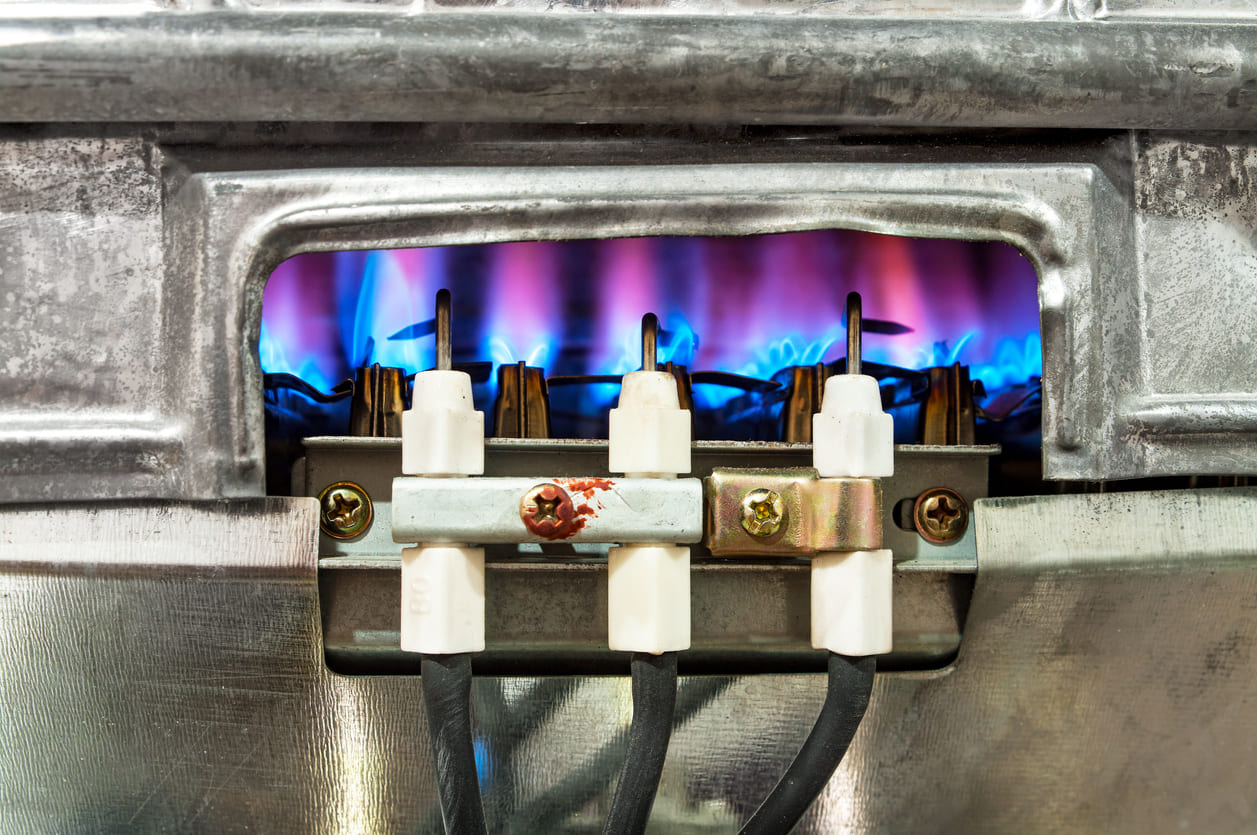
Gas Furnaces
Efficient Heating Starts With a Reliable Gas Furnace
When temperatures drop, a dependable furnace isn’t just a comfort—it’s a necessity.

Ductwork Services
Your ductwork, though not often thought of during your day-to-day life, plays a major role in how comfortable and efficient your home feels.
Heating Repair
Quick, Reliable Heating Repairs You Can Count On
A broken heating system can quickly turn your home into an uncomfortable space—especially when the temperatures drop unexpectedly.

Request Furnace Repair in St. Augustine
If your furnace will not start, produces little or no heat, keeps shutting down, or has developed unusual sounds or smells, the next step is determining exactly what has failed. King of Home Solutions can inspect the furnace, ignition components, controls, blower, airflow, and related safety devices to identify the problem and explain the appropriate repair. The goal is to restore dependable heating without treating every furnace problem as a reason to install new equipment. Call 904-865-4663 or request service online to schedule furnace repair in St. Augustine, FL.