Serving The Jacksonville Area

Water Heater Repair in St. Augustine, FL
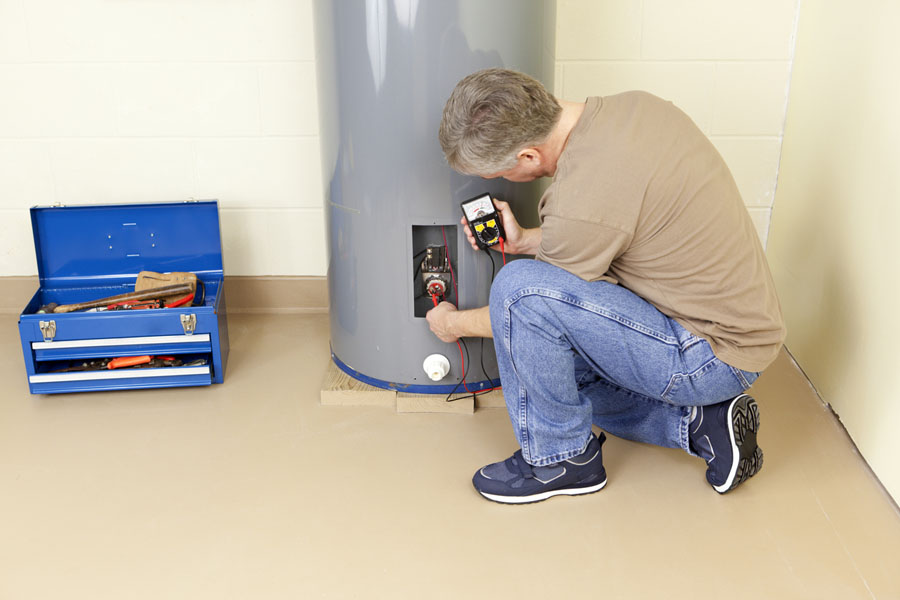
No hot water, a shower that turns cold halfway through, water gathering near the tank, or a new rumbling sound can all point to a water heater problem. The important question is not just what the symptom is, but what is causing it.
At King of Home Solutions, we provide professional water heater repair in St. Augustine, FL, for homeowners dealing with temperature changes, leaks, unusual noises, slow recovery, and underperforming tank-style systems. Our plumbers inspect the equipment, test the components involved, and explain whether the problem is repairable before recommending a larger change.
4.9 ⭐
Google Rating
BBB
Accredited Business
Locally-Owned & Operated
Same-Day Service Available
Proudly Serving the Jacksonville Area
5151-5 Sunbeam Road Jacksonville, FL 32257
Call 904-865-4663
Reliable Water Heater Repair Backed by Happy Clients
See how our dependable water heating solutions have helped local customers stay cool, comfortable, and confident.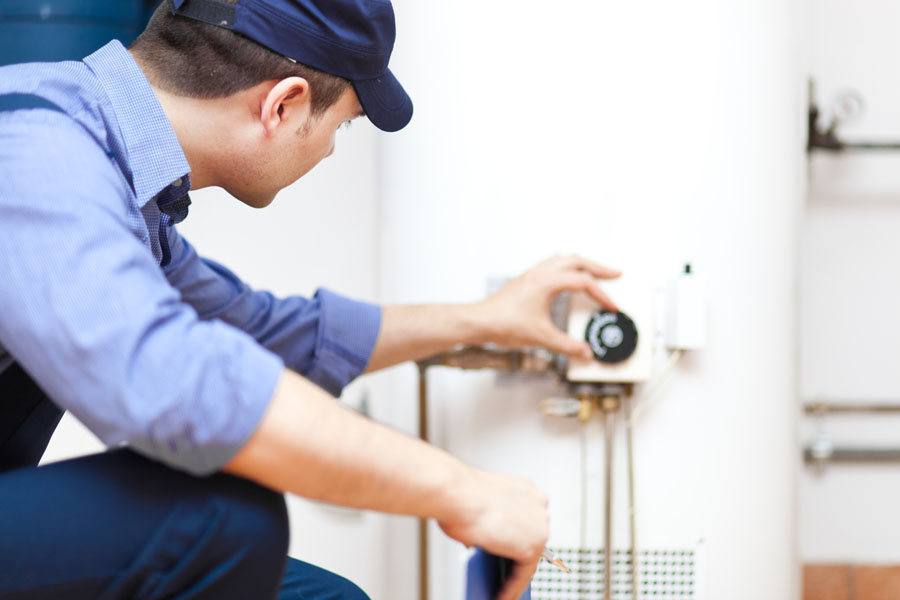

How We Diagnose a Water Heater That is Not Working Right
Water heater repair starts with finding the source of the problem. Similar symptoms can come from different components, so we do not rely on one sign alone.
On electric tank water heaters, our plumbers may check heating elements, thermostats, electrical supply, and related controls. On gas tank systems, we may inspect the burner, ignition system, gas control, and venting components.
We also check visible valves, fittings, supply connections, and the tank condition where accessible. If water is present around the heater, we look for the source rather than assuming the tank itself has failed.
For homes with tankless equipment, King of Home Solutions also provides dedicated tankless water heater services.
Warning Signs Your Water Heater Needs Attention
A water heater does not have to stop working completely before it needs service. Contact us if you notice:
- No hot water at any fixture
- Water that gets warm but never reaches the expected temperature
- Hot water running out noticeably faster than before
- Temperature changing during normal use
- Popping, rumbling, or other unfamiliar noises
- Water around the tank, fittings, or nearby floor
- Repeated shutdowns or unreliable operation
These symptoms help us decide where to start testing, but they are not a diagnosis by themselves.
What Common Water Heater Problems Can Cause These Symptoms?
Failed Heating Elements
Electric tank water heaters rely on internal heating elements. If one fails, the system may produce little hot water, recover slowly, or fail to heat properly.
Thermostat or Control Issues
A thermostat or control problem can interfere with temperature regulation and leave the water too cool or inconsistent.
Burner or Ignition Problems
Gas-fired systems depend on burner, ignition, and gas-control components. These should be inspected professionally rather than treated as a DIY repair.
Sediment or Mineral Accumulation
Material can collect inside some tank water heaters over time and may contribute to noise or reduced performance. We inspect the unit before deciding whether buildup is part of the problem.
Valve, Fitting, or Connection Leaks
Water near the heater can come from a valve, fitting, supply connection, nearby pipe, or the tank itself. Finding the source matters because some leaks are repairable while a leaking storage tank is a different problem.
Electrical Supply Problems
A tripped breaker or loss of power can stop an electric water heater from operating. Repeated breaker trips should be professionally evaluated.
No Hot Water vs. Inconsistent Hot Water: What the Symptoms May Indicate
No hot water and inconsistent hot water are different starting points for diagnosis.
When there is no hot water at all, we may check whether the unit has power or gas and whether the heating or ignition system is operating.
When water heats but does not stay consistent, we may look at temperature controls, heating capacity, recovery performance, and whether one part of the system is working while another is not.
Hot water that disappears much faster than it used to is another clue. The heater may still be running, but not at its normal capacity.
The symptom tells us where to start. Testing tells us what actually needs repair.
Our Repair Process: Find the Failure, Then Fix the Right Problem
We start with what changed.
We ask whether the problem happened suddenly or gradually, whether every hot-water fixture is affected, and whether the unit has leaked or made unusual sounds.We inspect and test the system.
Our plumbers check the components most likely to be involved based on the symptom and type of water heater.We explain what we found.
Once we isolate the problem, we discuss the failed component, the condition of the rest of the heater, and whether repair makes practical sense.We complete the approved repair and retest.
After the repair, we check operation again to make sure the water heater is responding properly.
You can also review our main water heater services page for an overview of the systems we service.
Water Heater Repair vs. Replacement: How We Decide
Repair is often reasonable when the failure is limited to a serviceable component and the rest of the water heater is in usable condition.
Before recommending repair, we consider:
- Whether the storage tank is still sound
- Whether the same problem has happened before
- Whether the required part is practical to obtain
- Whether another condition contributed to the failure
- Whether the unit has multiple signs of deterioration
- Whether the repair is likely to restore dependable operation
Replacement becomes a more practical discussion when the tank itself is leaking, corrosion is significant, failures are recurring, parts are obsolete, or the equipment has a safety concern that cannot be corrected appropriately.
If a new system becomes the better option, our water heater installation service covers equipment selection and installation.
Not sure which direction makes sense? Our plumbers can inspect the system and explain the practical options before you decide.
A Leak Near the Water Heater Does Not Always Mean the Tank Failed
Seeing water around a water heater can be alarming, but the source matters.
Water may come from a supply connection, valve, fitting, nearby plumbing line, or another component around the unit. Some of these issues may be repairable without replacing the water heater.
A leak from the storage tank is different. Once the tank body has failed, replacing an external fitting will not solve the problem.
If moisture appears to come from surrounding plumbing instead of the heater, our leak detection and repair service may be the better fit.
When Another Repair Is Not the Right Answer
Repair has limits. We may recommend moving away from another repair when:
- The storage tank itself is leaking
- Significant corrosion affects the tank or critical components
- The unit has developed repeated failures
- A required component is obsolete or incompatible
- The equipment has a safety problem that cannot be corrected properly
- Overall deterioration makes another repair unlikely to provide dependable service
The goal is to avoid putting money into a repair that does not address the condition of the whole system.
Safe Things You Can Check Before Calling
For an electric water heater, you can check whether the applicable breaker has tripped. If it trips again after being reset, stop resetting it and schedule service.
If the thermostat setting is visible without removing electrical panels, confirm that it has not been changed accidentally.
If you see water, look from a safe distance for the general area where it seems to be coming from.
Do not remove electrical covers, work on wiring, disassemble gas controls, bypass safety devices, or attempt burner repairs.
Water Heater Issues We Watch for in St. Augustine Homes
St. Augustine homes can present different repair conditions depending on where the equipment is installed and how the household uses it.
Garage-Installed Water Heaters
For units in garages, we look at visible fittings, valves, connections, and the tank exterior in addition to the heating problem itself. Heat and humidity can make the installation environment different from a conditioned utility space.
Homes Closer to the Coast
Where equipment or metal components are more exposed to salt-laden air, visible corrosion deserves additional attention. We do not assume coastal exposure caused a failure, but we consider it when assessing the unit.
Busy Households
A water heater may still operate but recover more slowly than it once did. In homes where showers, laundry, and dishwashing happen close together, reduced performance can become noticeable quickly. We check whether the issue is repairable or whether household demand has changed.
We do not assume one water hardness or mineral profile based on a St. Augustine address. Any buildup concern should be based on what is actually present.
Water Heater Repair in St. Augustine and Nearby Communities
Our team serves St. Augustine and nearby St. Johns County communities including St. Johns, Nocatee, Palm Valley, Fruit Cove, and Julington Creek Plantation.
If you are nearby and do not see your community mentioned, contact King of Home Solutions and we can confirm service availability for your address.
Helpful Water Heater Resource
The “Mandarin Slab” Problem: Why 1980s Jacksonville Homes Are Failing Now
You bought the house because you liked what everybody likes about Mandarin. The mature trees. The brick exterior. The established...

Fiberglass vs. Steel Entry Doors for Jacksonville Beach Homes
You replace the front door. It looks perfect. Then a few years of Jacksonville Beach weather get involved. Salt air...

Why Your Garage Door “Sweats” in August — and How to Stop It
You walk into the garage one August morning and the inside of the garage door is wet. Not a little...
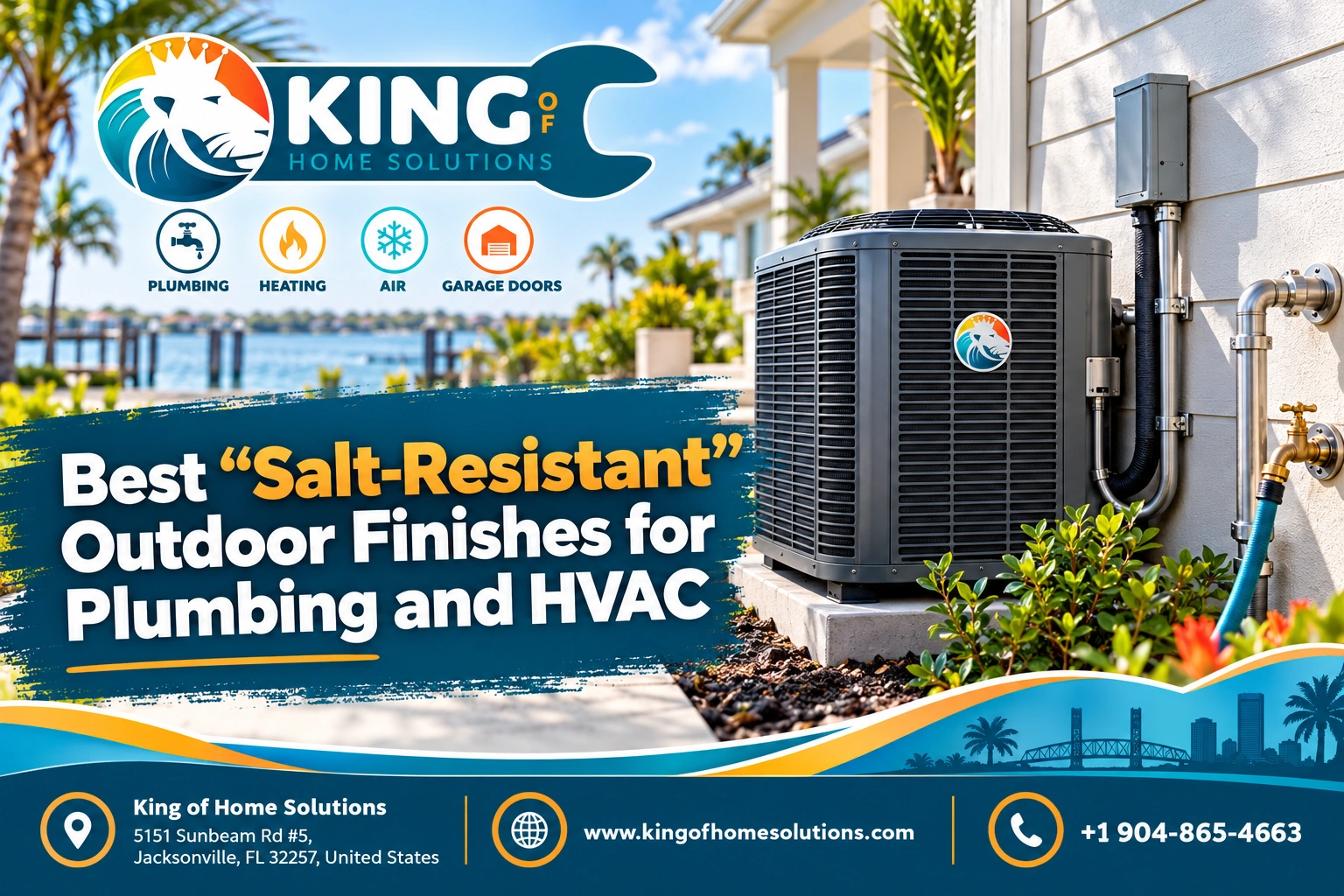
Best “Salt-Resistant” Outdoor Finishes for Plumbing and HVAC
You live near Jacksonville Beach and install a brand-new outdoor AC unit. Two summers later, the cabinet screws are turning...
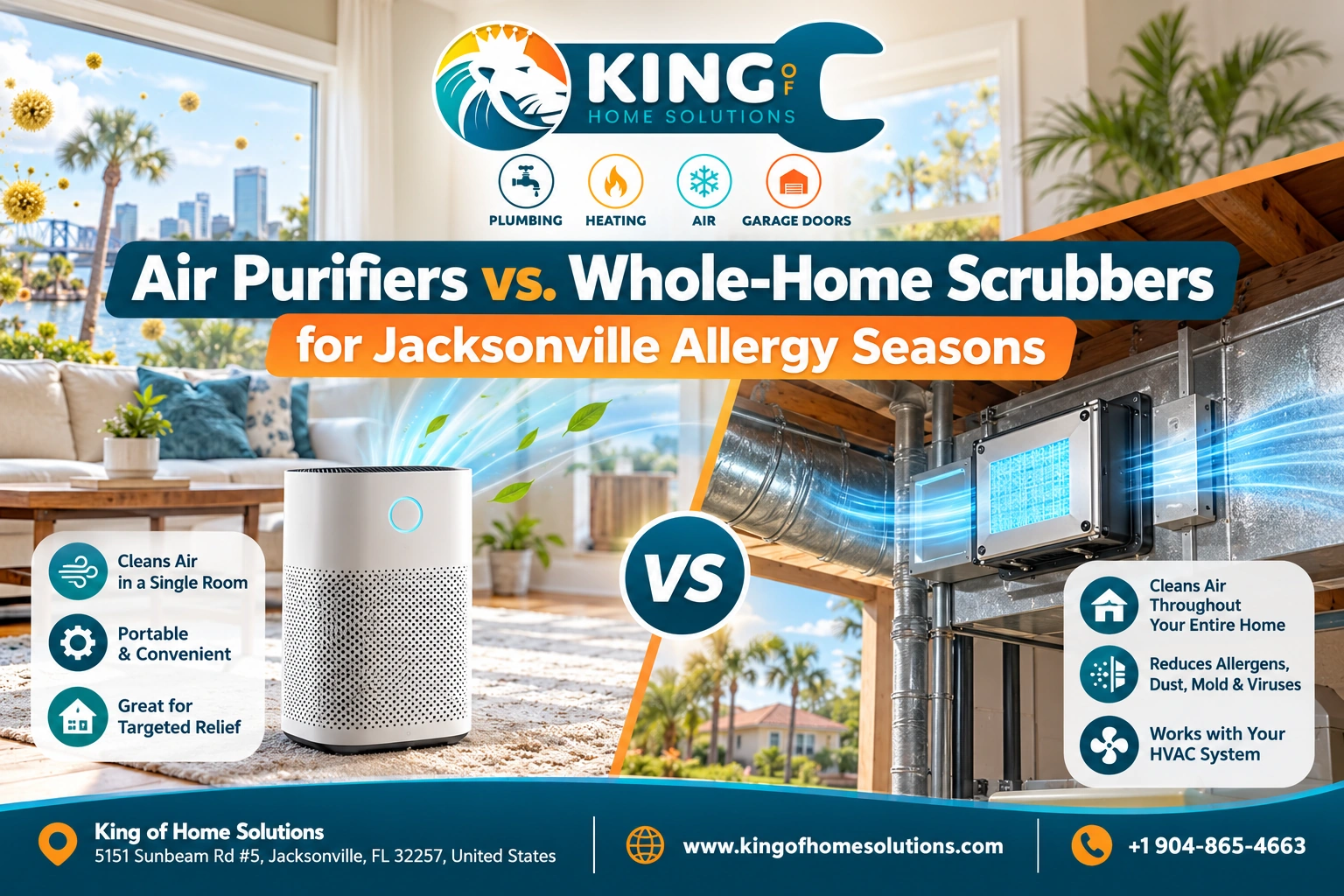
Air Purifiers vs. Whole-Home Scrubbers for Jacksonville Allergy Seasons
If you live in Jacksonville, allergy season can feel less like a season and more like a rotating schedule. Tree...

Why Your “Hurricane-Proof” Garage Door Is Actually Vibrating
You paid extra for a reinforced garage door. It has heavier panels, additional struts, stronger tracks, upgraded hardware, and maybe...

Water Heater Repair FAQs
Related Water Heater and Plumbing Services

Garbage Disposal
Kitchen Cleanup Made Easier With Reliable Disposal Service
A broken or jammed garbage disposal can quickly disrupt daily kitchen routines and cause unwanted messes.
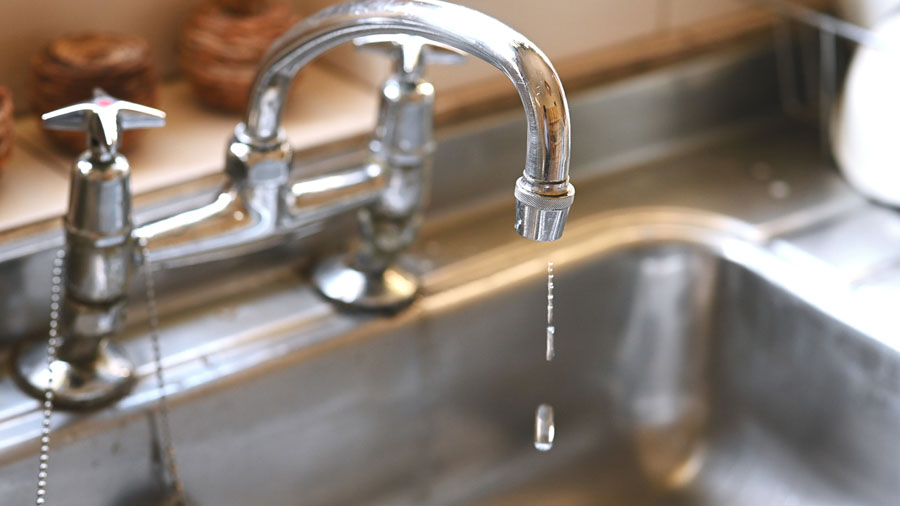
Leak Detection and Repair
Find the Leak.
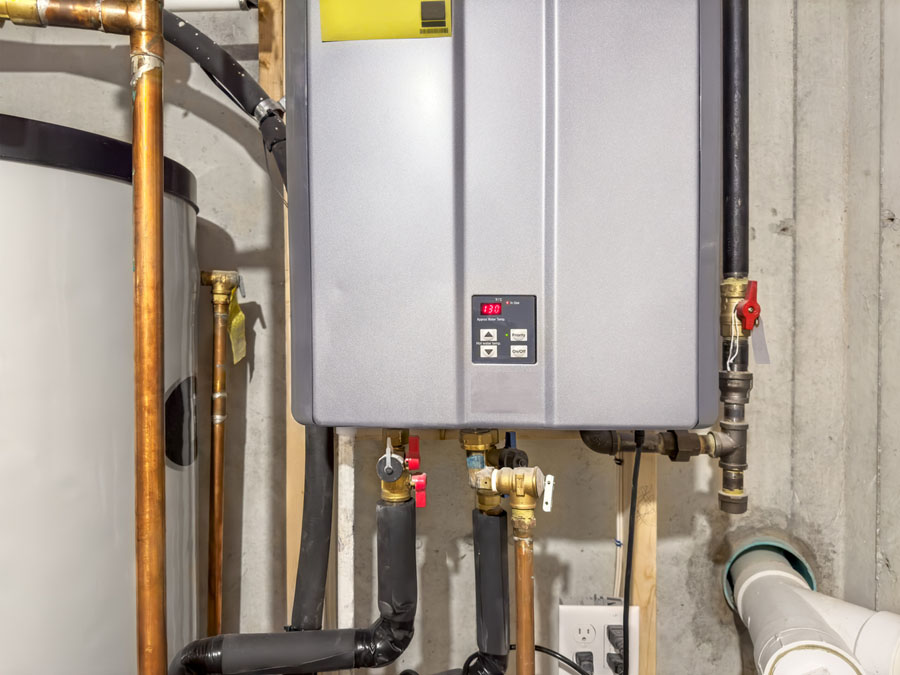
Tankless Water Heaters
Modern Comfort Starts With a Tankless Upgrade
Tired of running out of hot water? Tankless water heaters provide an energy-efficient solution that delivers hot water exactly when you need it—no waiting, no waste.
Bathroom Plumbing
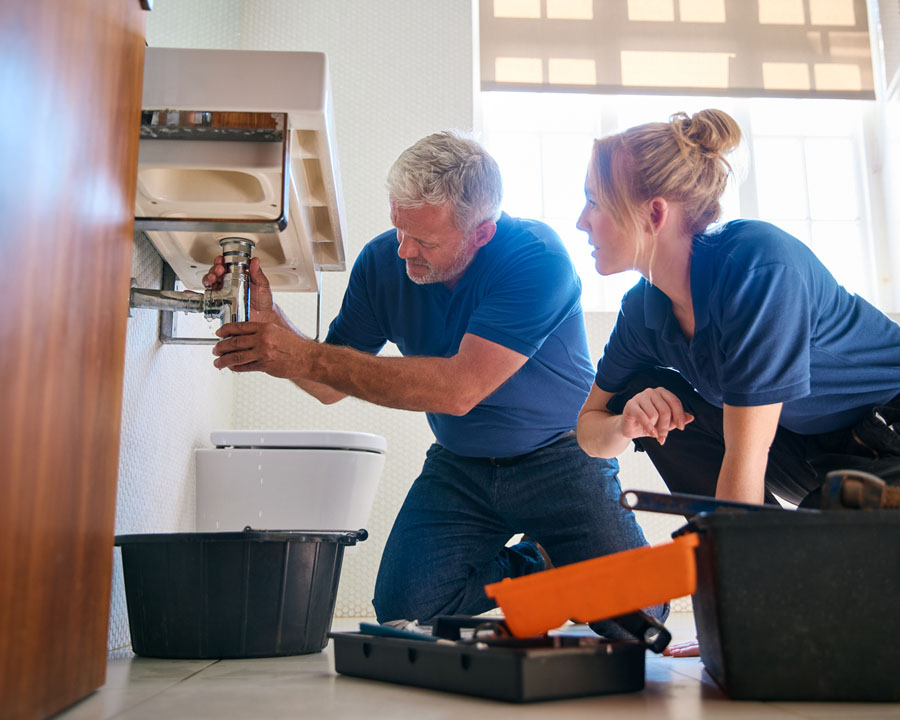
Professional Plumbing for Every Bathroom in the Home
Bathrooms rely on well-functioning plumbing for comfort, hygiene, and efficiency—so when something goes wrong, it needs expert attention.

Request Water Heater Repair in St. Augustine
No hot water, a leak, or an underperforming system? Contact King of Home Solutions today to request water heater repair in St. Augustine.