Serving The Jacksonville Area


Leak Detection in St. Augustine, FL
Hidden leaks often reveal themselves indirectly. Water use may increase without explanation, a patch of flooring may stay damp, pressure may change, or you may hear water moving when nothing in the home should be running.
Instead of opening walls based on the nearest wet spot, King of Home Solutions approaches leak detection in St. Augustine, FL, as an investigation. We follow the plumbing layout and available evidence, then use appropriate diagnostic methods to narrow the affected area and determine whether the moisture is actually coming from the plumbing system.
4.9 ⭐
Google Rating
BBB
Accredited Business
Locally-Owned & Operated
Same-Day Service Available
Proudly Serving the Jacksonville Area
5151-5 Sunbeam Road Jacksonville, FL 32257
Call 904-865-4663
Reliable Leak Detection Backed by Happy Clients
See how our dependable leak detection solutions have helped local customers stay cool, comfortable, and confident.

How Professional Leak Detection Helps Narrow the Problem
Leak detection is a diagnostic service. The goal is to determine whether the plumbing system is responsible for unexplained water use or moisture, then narrow the affected area before unnecessary surfaces are opened.
Depending on the situation, our plumbers may use visual inspection, water-meter observations, pressure checks, moisture meters, acoustic listening equipment, or infrared imaging. Acoustic equipment can help identify sounds associated with escaping water, while infrared imaging may reveal temperature differences that support further investigation.
We do not use every tool on every call. The symptoms, plumbing layout, meter or pressure behavior, moisture pattern, and accessibility of the piping help us decide which method is likely to provide useful information.
Our main Leak Detection and Repair page explains more about the leak services we provide.
Signs That May Point to a Hidden Plumbing Leak
Hidden leaks often show up through changes around the home rather than an obvious dripping pipe. Contact us if you notice:
- Water use or a water bill increasing without a clear reason
- Damp areas on walls, ceilings, cabinets, or flooring
- Running or dripping sounds when fixtures are turned off
- Unexplained changes in water pressure
- Water appearing near baseboards or beneath flooring
- Warm or persistently damp spots on a floor
- Water-meter activity when no fixtures or appliances are using water
These signs help us determine where to begin, but they do not identify the leak location on their own.
Where Hidden Water Leaks Can Develop
Fixture and Supply Connections
Sinks, toilets, faucets, washing machines, and other fixtures depend on valves, fittings, seals, and supply lines. A small leak at a connection may stay concealed until moisture becomes visible.
Pipes Inside Walls or Ceilings
Supply piping often runs through concealed spaces. Water from a damaged pipe or fitting can travel along framing before staining a wall or ceiling, so the wettest visible spot is not always directly beside the leak.
Piping Beneath a Slab
Some water-supply lines run beneath concrete slabs. When the evidence points below the floor, targeted testing can help narrow the suspected area before repair options are discussed. King of Home Solutions also provides slab leak detection and repair for these situations.
Water Heater Connections
Water around a water heater may come from a supply connection, valve, fitting, nearby pipe, or the heater itself. If the unit is also losing hot-water performance, our water heater repair service may be relevant.
Outdoor Plumbing or Irrigation
Unexpected meter activity can sometimes be connected to outdoor water use rather than an indoor pipe. We consider the whole water-supply system instead of assuming the problem begins inside the house.
How We Work Through a Hidden-Leak Investigation
We review what changed. We ask when the problem started, where dampness appears, whether water use changed, and whether the symptom is constant or intermittent.
We check system-level clues. Meter activity or pressure behavior may help indicate whether water is escaping from the pressurized plumbing system.
We focus the search. Fixture locations, pipe routes, moisture patterns, and nearby plumbing help us identify the areas most worth testing.
We use diagnostic equipment where it adds useful information. Acoustic tools, infrared imaging, and moisture readings can help refine the suspected location.
We explain the findings. We tell you what the evidence points to, whether additional access may be needed, and what type of repair or follow-up service makes sense.
Leak Detection vs. Visible Plumbing Repair: What’s the Difference?
Leak detection is most useful when you know there is a problem but cannot see where it begins.
If water is clearly dripping from an exposed pipe beneath a sink, the source may already be obvious enough for the plumber to evaluate the repair directly.
A damp wall, unexplained meter activity, low pressure, or water coming through flooring is different. Opening a wall or floor before narrowing the affected area can create unnecessary disruption.
Leak detection helps reduce that guesswork. Once we have enough evidence, the next step may involve repairing a fitting, opening a limited area to access a concealed pipe, addressing an under-slab leak, servicing a water-heater connection, or investigating broader piping deterioration.
Hidden Plumbing Leak or Condensation? Why Accurate Diagnosis Matters
Not every wet surface is caused by a leaking water line.
St. Augustine's humid conditions can contribute to condensation on cold pipes, HVAC components, and other cool surfaces. Moisture can also come from roof intrusion, exterior openings, drainage problems, or rain entering the structure.
Timing can provide clues. Plumbing-related water may continue during dry weather or change with fixture use. Condensation may follow temperature and humidity conditions. Rain intrusion may appear mainly during or after storms.
Those patterns help guide the investigation, but they are not a substitute for inspection. Before recommending plumbing work, we try to determine whether the evidence actually points to the plumbing system.
Seeing moisture but unsure what is causing it? Our plumbers can help narrow the source before repair work begins.
What Happens After We Narrow Down the Leak
Leak detection is often the first decision point, not the final repair.
If the problem is an accessible valve, fitting, or supply connection, the repair may be direct. A concealed supply-line leak may require limited access through a wall or ceiling. An under-slab leak can require a different repair strategy. Moisture around a water heater may lead to service on the heater or its connected piping.
If several supply lines show deterioration, we may recommend a broader plumbing evaluation instead of treating each failure as isolated.
Sometimes the investigation points away from plumbing. If the pattern fits roof intrusion, condensation, drainage, or another source, we explain that rather than recommending a plumbing repair that does not match the evidence.
When Leak Detection Alone is Not Enough
Finding the affected pipe or area does not correct every problem associated with escaped water.
Additional work may be necessary when:
- A pipe, valve, or connection needs physical repair
- Several supply lines show signs of deterioration
- An under-slab line requires access or rerouting
- Water has affected drywall, flooring, cabinetry, or finishes
- Separate drying or moisture-remediation work is needed
- The symptoms point to a sewer or drainage issue
Wastewater odors, recurring drain backups, or several slow drains require a different plumbing evaluation than a pressurized water-supply leak.
Leak Detection Considerations in St. Augustine Homes
St. Augustine includes historic properties, remodeled homes, and newer construction across St. Johns County. That variety can affect how concealed plumbing is routed and how we approach the investigation.
Older or Remodeled Properties
Previous additions or renovations can leave supply lines routed differently from the original layout. We follow the current plumbing evidence rather than assumptions based on property age.
Newer Homes
Newer construction can still develop leaks at fittings, fixture connections, appliance supply lines, or other individual points.
Coastal Exposure
For plumbing components more exposed to salt-laden air, visible corrosion may be relevant during inspection. We consider it as part of the condition assessment without assuming it caused the leak.
Moisture After Heavy Rain
Rainfall can complicate the picture when dampness appears near exterior walls, floors, or ceilings. We look at timing, meter behavior, fixture use, and moisture patterns before connecting the problem to an indoor water line.
A Simple Water Meter Check Before You Call
A water meter can provide a useful clue when you suspect unexplained water use.
Turn off faucets and make sure water-using appliances such as the washing machine and dishwasher are not running. If practical, confirm that toilets are not actively refilling.
Then observe the meter. Continued movement or usage indication may suggest water is still flowing somewhere in the system.
This does not tell you where the leak is located, so treat the meter as one clue, not a diagnosis.
If water is actively spreading or a supply line has clearly failed, use the home's main shutoff if you can do so safely and call for service.
Leak Detection in St. Augustine and Nearby Communities
Our plumbing team serves St. Augustine and nearby St. Johns County communities including Ponte Vedra Beach, Sawgrass, World Golf Village, Orangedale, and Picolata.
If you are nearby but do not see your community mentioned, contact King of Home Solutions and we can confirm service availability for your address.
Helpful Resource

Electrolysis: The Teal-Green Growth “Eating” Your Jacksonville Copper Pipes
You open the cabinet beneath the sink and notice something strange around a copper pipe. A joint that used to...

Cost of a “Smart Garage” Upgrade in Jacksonville
You’re halfway to work when the question hits you: “Did I close the garage door?” For many Jacksonville homeowners, that...

Review: LiftMaster vs. Genie Garage Door Openers 2024 Edition
Your old garage door opener finally gives up. Now you have a decision to make. Do you buy a LiftMaster,...

Cast Iron vs. PVC: The Sewer Line Showdown for Older Jacksonville Homes
You find the perfect older Jacksonville house. Original hardwood floors. Mature oaks. A shaded front porch. The kind of character...

Top 5 HVAC “Scams” Jacksonville Homeowners Should Watch For
Your air conditioner stops cooling on a 94-degree Jacksonville afternoon. The house is getting hotter by the minute. The humidity...

Why Your Kitchen Sink Has “Low Pressure” but the Shower Is Fine
You turn on the kitchen faucet and get a weak stream. Then you walk into the bathroom, turn on the...

Leak Detection FAQs
Related Plumbing Services
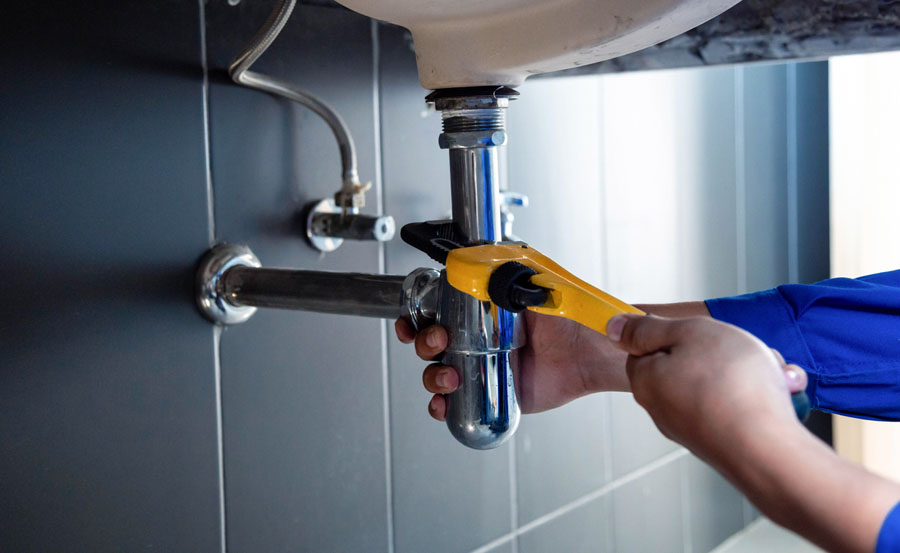
Kitchen Plumbing
Plumbing Solutions That Keep Kitchens Running Smoothly
The kitchen is one of the busiest areas in any home—and when plumbing issues arise, everything comes to a halt.
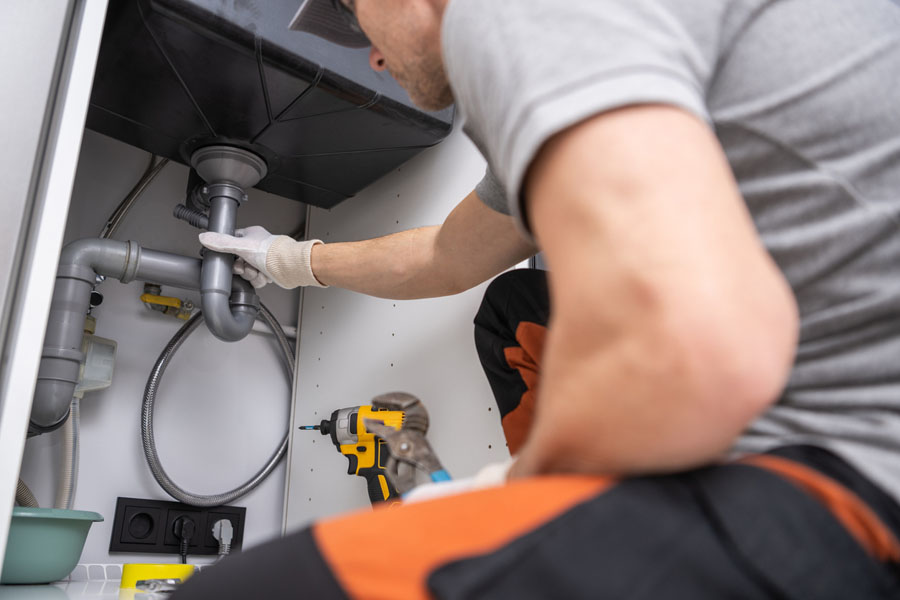
Drain Cleaning
Clear Clogs Fast With Professional Drain Cleaning
A slow or backed-up drain is more than an inconvenience.
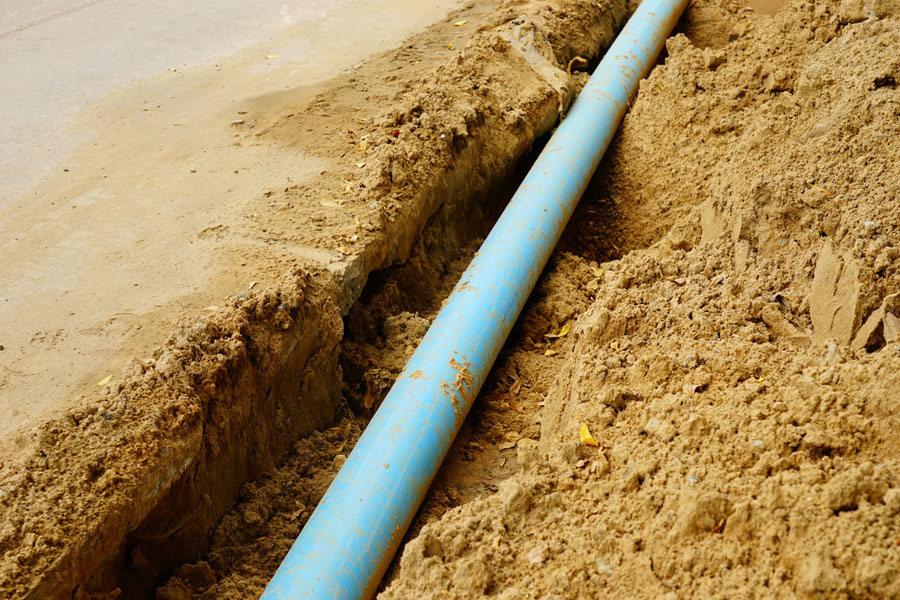
Sewer Lines
Sewer Line Problems Solved With Precision and Speed
Sewer line issues can quickly become serious: causing backups, unpleasant odors, and even property damage if left untreated.
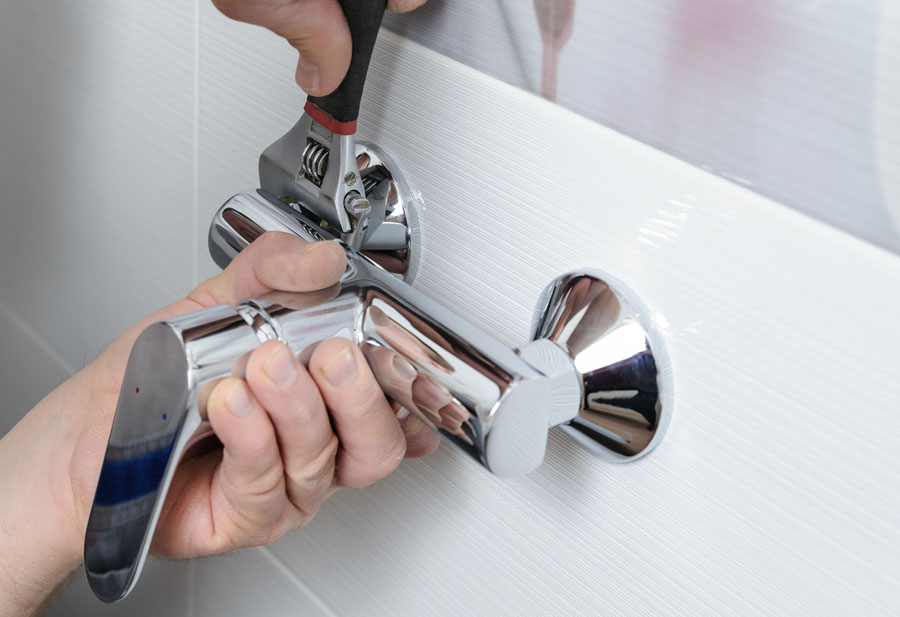
Faucets and Fixtures
Fresh Fixtures, Better Function, Expertly Installed
Faucets and fixtures may seem like small details, but they play a big role in both the look and functionality of any bathroom.

Schedule Leak Detection in St. Augustine
Noticing unexplained water use or moisture? Contact King of Home Solutions today to schedule leak detection in St. Augustine.