Serving The Jacksonville Area

Garage Door Repair in St. Augustine, FL
A garage door that suddenly stops halfway, scrapes the track, hangs unevenly, or refuses to close can become more than an inconvenience. Because the door, lifting hardware, tracks, and opener work together, one failing part can affect the movement and safety of the system.
Garage door repair in St. Augustine, FL should start with figuring out why the door is no longer operating correctly. Our King of Home Solutions technicians inspect how the door moves, separate mechanical problems from opener-related issues, and recommend repair based on the condition of the system rather than assuming the entire door needs replacement.
4.9 ⭐
Google Rating
BBB
Accredited Business
Locally-Owned & Operated
Same-Day Service Available
Proudly Serving the Jacksonville Area
5151-5 Sunbeam Road Jacksonville, FL 32257
Call 904-865-4663
Reliable Garage Door Repair Backed by Happy Clients
See how our dependable garage door solutions have helped local customers stay cool, comfortable, and confident.

What Garage Door Repair Can Address
A garage door relies on moving and load-bearing components to open, close, and stay balanced. Repair may involve one failed part or several connected issues.
Our garage door service can address:
- Broken or worn springs
- Frayed, loose, or damaged lift cables
- Worn rollers, hinges, and related hardware
- Bent, loose, or misaligned tracks
- Damaged sections or panels where repair is practical
- Garage door opener, motor, trolley, or drive-system problems
- Misaligned or malfunctioning safety sensors
- Remote, keypad, or wall-control concerns
The first symptom does not always identify the failed component. A door that will not open may have an opener problem, but it could also be too heavy for the opener because a spring has failed. We look at the operating system before deciding what needs repair.
Signs Your Garage Door Needs Attention
Garage door problems often show up through movement, sound, or response before the door stops working.
Schedule a repair evaluation if:
- The door will not open or close
- It gets stuck partway through travel
- One side rises or closes faster than the other
- The door shakes, jerks, scrapes, or becomes unusually loud
- A spring appears broken or you heard a sudden loud bang
- A lift cable looks loose, frayed, or out of position
- The opener runs but the door does not move normally
If the door is visibly crooked, off the track, or drops unexpectedly, stop operating it until it can be inspected.
What Usually Causes Garage Door Problems?
Wear From Everyday Use
Garage doors can go through several cycles every day. Springs, rollers, bearings, hinges, and other hardware gradually wear with use. Routine Garage Door Maintenance can help identify developing wear before it becomes an operating problem.
Spring or Cable Failure
Springs help counterbalance the door's weight, while lift cables help control movement. When either fails, the door may become heavy, uneven, or unable to travel normally.
Track or Roller Problems
A bent track, loose mounting point, damaged roller, or alignment problem can make the door bind, shake, scrape, or stop partway.
Opener or Sensor Issues
The opener may have problems involving the motor, trolley, drive system, controls, wiring, or travel settings. Safety sensors can also become dirty, misaligned, damaged, or disconnected.
For problems centered on the opener, see our Garage Door Opener Repair service.
Impact or Weather-Related Damage
A vehicle bump, fallen object, wind-driven debris, or another impact can affect panels, tracks, rollers, or sensor alignment.
How Coastal Exposure Can Affect Garage-Door Hardware Over Time
St. Augustine's coastal environment can be relevant to metal garage-door hardware exposed to humid, salt-laden air.
Springs, tracks, hinges, fasteners, cables, and other metal parts can develop surface corrosion when protective coatings wear or moisture remains on the material. Doors closer to the coast or exposed to wind-driven moisture may deserve closer inspection for rust and deterioration.
Corrosion does not automatically mean a component has failed. Light surface rust is different from a fraying cable, deteriorated spring, or weakening track connection.
That is why we consider both appearance and operation. A corroded component that is also binding, weakened, or affecting door movement deserves more attention than cosmetic discoloration alone.
Is the Problem the Door or the Opener?
Homeowners often notice an opener symptom first because the motor runs, stops, reverses, or fails to move the door. That does not always mean the opener itself is the problem.
Springs counterbalance much of the door's weight so the opener can guide the door through its travel rather than lift the full weight by itself.
If the door is poorly balanced, binding in the tracks, or affected by failed lifting hardware, repairing the opener alone may not solve the problem.
During diagnosis, we look at how the door behaves mechanically and how the opener interacts with it. That helps avoid replacing an opener when the problem is elsewhere.
How We Diagnose and Repair a Garage Door
Observe the movement.
We look at where the door stops, whether it travels evenly, and whether it binds, shakes, or makes new noises.Check the mechanical system.
We inspect the hardware responsible for balance, guidance, and controlled movement.Test the opener and safety system.
When relevant, we check opener response, controls, travel, and sensors.Identify safety concerns.
Failed lifting hardware or an unstable door changes how the system should be handled.Complete the approved repair.
We repair or replace the affected serviceable components.Confirm operation.
Afterward, we check movement, balance, opener response, and function.
If your garage door is moving unevenly, making new noises, or repeatedly stopping, our technicians can inspect the system and identify which part is causing the problem.
Garage Door Repair vs. Replacement
Repair makes sense when the door remains structurally usable and the problem is limited to serviceable components.
A spring, cable, roller, hinge, sensor, opener component, or repairable section may be replaced without replacing the entire door. This is often practical when the main assembly remains stable and compatible.
Replacement deserves consideration when damage is broader. Severely bent or crushed sections, widespread deterioration, incompatible older components, repeated failures, or an unstable door assembly can make a new system more practical.
If the door itself remains sound, a broken spring or failed opener does not automatically justify full replacement.
What Normal Garage Door Repair Cannot Solve
Garage door repair alone may not correct:
- Significant structural damage to the garage opening
- Extensive deformation across multiple door sections
- A system that is no longer compatible with available components
- Repeated failures caused by broad deterioration
- Damage requiring changes to framing or surrounding building materials
- A homeowner's goal to upgrade the complete door for different performance requirements
Storm reinforcement and wind-performance questions require evaluation of the complete door assembly. Replacing one component does not automatically change the system's tested or approved performance.
Why Spring and Cable Repairs are Not DIY Projects
Garage door springs and lift cables operate under substantial tension.
That stored force helps counterbalance a heavy door. If a spring, cable, bracket, or related component is released unexpectedly, serious injury or additional property damage can result.
Do not attempt to unwind torsion springs, adjust spring tension, reconnect a loose cable, or force an off-track door back into position.
If a spring has broken or a cable is hanging loose, avoid repeatedly operating the opener. The opener is designed to move a balanced door, not compensate for failed lifting hardware.
Homeowners can safely look for obvious obstructions around the door and sensor area, but tension-loaded repairs should be left to trained technicians.
Garage Door Repair Situations Around St. Augustine
Local conditions matter most when they change how the door is used, exposed, or damaged.
Garages Used as a Main Household Entrance
For households that use the garage as a primary entry, several cycles each day can add wear to moving parts and opener equipment over time.
Doors With Greater Coastal Exposure
A garage facing coastal weather may expose exterior-facing metal parts to more moisture and salt-laden air. During repair, we check whether deterioration is cosmetic or affecting operation.
Doors With Post-Storm Impact Damage
A door may continue moving after wind-driven debris or another impact has dented a section or disturbed the track. New scraping, uneven travel, sensor problems, or visible misalignment afterward should be evaluated before repeated use.
Older Door With a Newer Opener
Sometimes the opener has been replaced while the door system is much older. We look at compatibility, balance, and mechanical condition rather than assuming the newer opener is responsible for every problem.
Garage Door Repair Near St. Augustine
King of Home Solutions serves St. Augustine and nearby St. Johns County communities including Ponte Vedra, Ponte Vedra Beach, Sawgrass, World Golf Village, and Orangedale.
If you live nearby but do not see your community mentioned, contact our team and we can confirm garage-service availability for your address.
Helpful Garage Door Resources
The “Mandarin Slab” Problem: Why 1980s Jacksonville Homes Are Failing Now
You bought the house because you liked what everybody likes about Mandarin. The mature trees. The brick exterior. The established...
Fiberglass vs. Steel Entry Doors for Jacksonville Beach Homes
You replace the front door. It looks perfect. Then a few years of Jacksonville Beach weather get involved. Salt air...
Why Your Garage Door “Sweats” in August — and How to Stop It
You walk into the garage one August morning and the inside of the garage door is wet. Not a little...
Best “Salt-Resistant” Outdoor Finishes for Plumbing and HVAC
You live near Jacksonville Beach and install a brand-new outdoor AC unit. Two summers later, the cabinet screws are turning...
Air Purifiers vs. Whole-Home Scrubbers for Jacksonville Allergy Seasons
If you live in Jacksonville, allergy season can feel less like a season and more like a rotating schedule. Tree...
Why Your “Hurricane-Proof” Garage Door Is Actually Vibrating
You paid extra for a reinforced garage door. It has heavier panels, additional struts, stronger tracks, upgraded hardware, and maybe...

Garage Door Repair FAQs
Related Garage Services
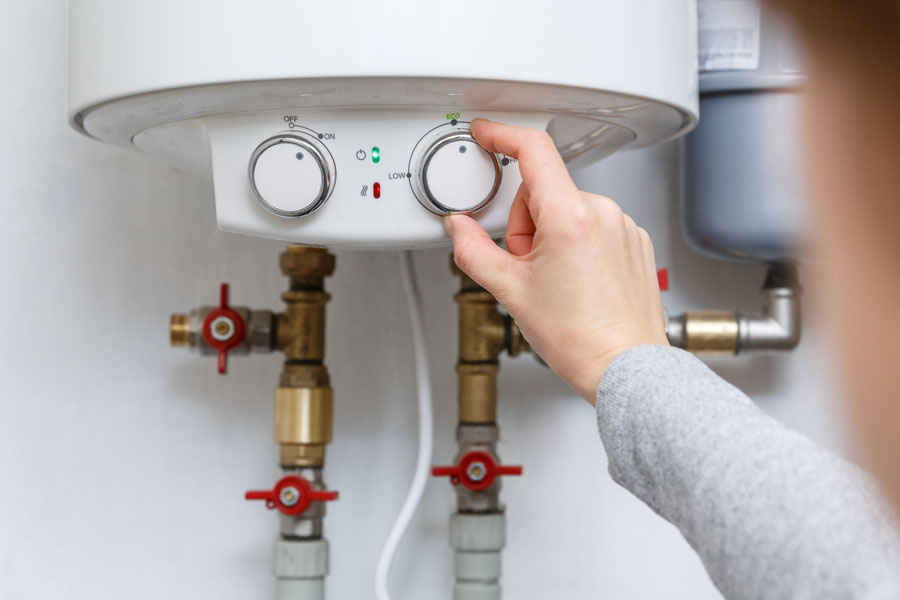
Water Heater Installation
Installing Reliable Hot Water Solutions for Your Home
When your current system fails or can’t keep up with demand, a professional replacement can restore comfort and efficiency fast.
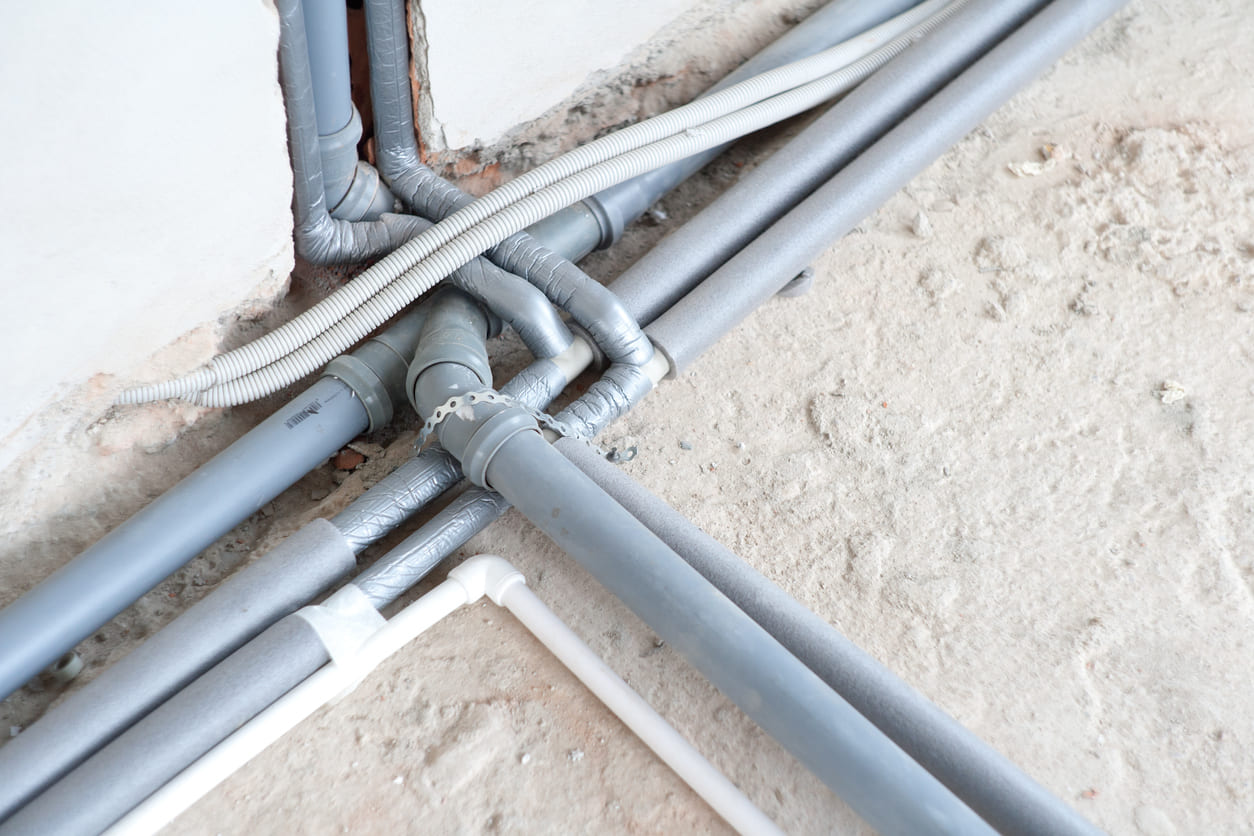
Repiping
Restore Water Flow and Reliability With Whole-Home Repiping
Old, corroded, or leaking pipes can cause everything from low water pressure to costly water damage—and repiping is often the most effective solution.

Sewer Lines
Sewer Line Problems Solved With Precision and Speed
Sewer line issues can quickly become serious: causing backups, unpleasant odors, and even property damage if left untreated.

Faucets and Fixtures
Fresh Fixtures, Better Function, Expertly Installed
Faucets and fixtures may seem like small details, but they play a big role in both the look and functionality of any bathroom.

Request Garage Door Repair in St. Augustine
Stuck, noisy, uneven, or unreliable garage door? Contact King of Home Solutions today to request garage door repair in St. Augustine.