Serving The Jacksonville Area

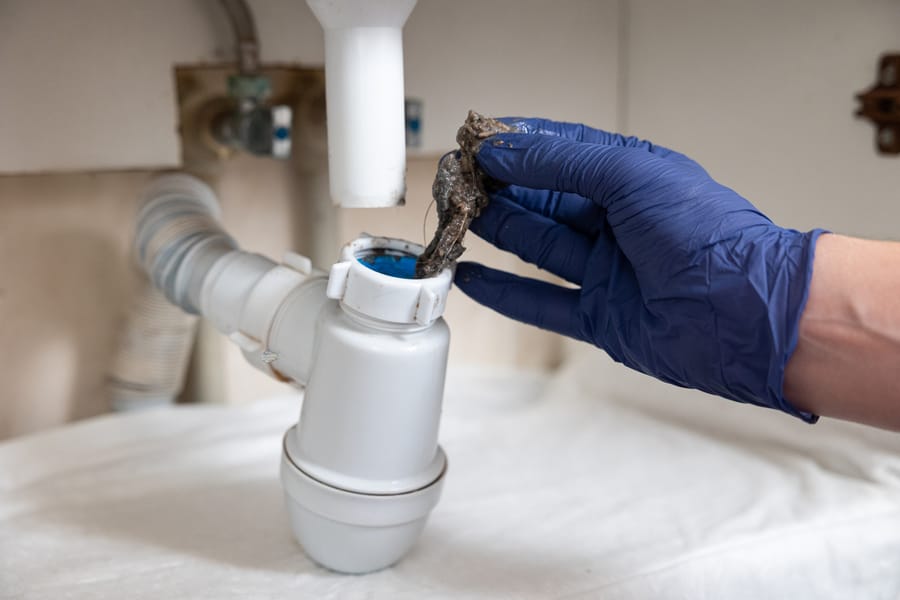
Drain Cleaning in St. Augustine, FL
A shower that leaves water around your feet or a kitchen sink that takes several minutes to empty can start as a minor inconvenience and become a recurring plumbing problem. When plunging or basic drain care only provides temporary relief, the restriction may need more than another quick attempt to clear it.
Professional drain cleaning in St. Augustine, FL, helps identify whether the problem is limited to one fixture or located deeper in the drainage system. Our King of Home Solutions plumbers look at how the drain is behaving, what has already been tried, and whether other fixtures are affected before choosing an appropriate way to restore flow.
4.9 ⭐
Google Rating
BBB
Accredited Business
Locally-Owned & Operated
Same-Day Service Available
Proudly Serving the Jacksonville Area
5151-5 Sunbeam Road Jacksonville, FL 32257
Call 904-865-4663
Reliable Drain Cleaning Backed by Happy Clients
See how our dependable drain cleaning solutions have helped local customers stay cool, comfortable, and confident.

What Professional Drain Cleaning Does
Professional drain cleaning is more than forcing water through a blocked pipe. The goal is to identify the location and likely cause of the restriction, then use a method that fits the problem.
A clog affecting one bathroom sink, tub, shower, or kitchen sink is often limited to that fixture or a nearby branch drain. Hair, soap residue, food debris, grease, and small foreign objects are common causes.
When several fixtures are slow or backing up at the same time, the restriction may be farther down the drainage system. That does not automatically mean the sewer line has failed. It simply means we need to look beyond one fixture and determine how much of the system is involved.
Signs You May Need Drain Cleaning
Some clogs happen suddenly, but many develop over time. We recommend calling us when you notice problems such as:
- Water draining noticeably slower than usual
- The same sink, tub, shower, or toilet clogging repeatedly
- Gurgling or bubbling sounds from a drain
- Persistent odors coming from a sink, tub, or shower
- Standing water that does not drain normally
- Water or wastewater backing up into a fixture
- Several drains becoming slow at about the same time
What Causes Drains to Clog?
In kitchens, grease and cooking oil can coat the inside of a drain line. Food scraps and other debris can then stick to that buildup and gradually reduce the space available for water to flow.
Bathroom drains commonly collect hair, soap residue, toothpaste, shaving products, and other everyday debris. Toilets can become blocked when wipes, paper products, hygiene items, or other objects are flushed.
Mineral and debris buildup may also contribute to restricted flow over time. Farther down the system, roots can sometimes enter damaged or separated sections of piping. A cracked, deteriorated, or poorly positioned line may also collect debris more easily.
Our Drain-Cleaning Process
We Review the Problem
We start by asking what you have noticed. Which fixtures are affected? Is the drain completely blocked or just slow? Has the clog happened before? Have any drain-cleaning products already been used?We Check the Drain and Available Access
Next, we evaluate the affected area and determine where the restriction may be located. If the symptoms suggest a deeper issue, we may need to assess more than the fixture itself.We Choose an Appropriate Cleaning Method
Not every drain should be treated the same way. Depending on the type of blockage, pipe condition, and access, we may recommend mechanical snaking, hydro jetting, or another appropriate approach.We Clear the Restriction
Our plumber works to remove or break through the obstruction and restore normal drainage where possible.We Test the Flow
Once the blockage has been addressed, we run water and check how the drain responds.We Explain What We Found
If the drain is flowing normally, we can discuss practical ways to reduce future buildup. If the symptoms point to a structural pipe problem or recurring main-line issue, we will explain why drain cleaning alone may not be enough.
Drain Snaking vs. Hydro Jetting
A drain snake uses a flexible cable and attachment to reach a blockage. It can be effective for many localized clogs, including hair, debris, and certain obstructions within a fixture or branch drain.
Hydro jetting uses pressurized water to clean buildup from the inside of a pipe. It may be useful when grease, sludge, or recurring residue coats a larger section of the line.
We do not choose hydro jetting simply because it is more powerful. Pipe material, condition, access, and the suspected cause all matter. If a line appears weakened or damaged, additional evaluation may be appropriate before high-pressure cleaning is considered.
Why the Same Drain Clog Keeps Coming Back
If you keep clearing the same drain, the real problem may never have been fully removed.
A cable can sometimes create a temporary opening through a clog while leaving material around the pipe walls. Hair may continue collecting in the same area. Grease can remain inside a kitchen line and catch new food debris. A foreign object can also create a place for waste to accumulate.
Recurring clogs can also happen when the pipe itself is contributing to the problem. Root intrusion, deterioration, a sagging section, or another defect can allow debris to collect repeatedly.
When Drain Cleaning Is Not Enough
Drain cleaning can remove many obstructions, but it cannot repair a structurally damaged pipe.
If inspection or repeated symptoms point to a collapsed section, extensive root intrusion, severe corrosion, a pipe belly, or another physical defect, the next step may involve pipe or sewer-line repair rather than another cleaning.
Recurring problems affecting several fixtures also deserve closer evaluation. We will not label every slow drain as a sewer failure, but we also will not keep treating a deeper problem as a simple fixture clog if the symptoms suggest otherwise.
Drain Cleaning for St. Augustine Homes
Plumbing systems around St. Augustine can vary considerably. Some homes have older piping or have been renovated over the years, while newer homes elsewhere in St. Johns County may have different materials, layouts, and fixture configurations.
For us, that means the age of the property is useful context, but it is not a diagnosis. An older home does not automatically have bad drain lines, and a newer home can still develop a clog from grease, hair, foreign objects, or heavy everyday use.
St. Augustine households also rely on kitchens, bathrooms, laundry areas, and plumbing fixtures throughout the year. Consistent use means buildup can gradually develop even when the plumbing is otherwise in good condition.
Heavy rain can create separate outdoor drainage or wastewater concerns in some situations, but we do not automatically connect an indoor slow drain to the weather. We look at the actual plumbing symptoms first.
How to Help Prevent Drain Clogs
A few everyday habits can reduce the amount of material entering your drains.
- Keep cooking grease and oil out of kitchen sinks.
- Use sink and shower strainers to catch hair and food debris.
- Remove visible hair from shower and tub drains regularly.
- Scrape plates into the trash before washing them.
- Avoid flushing wipes, paper towels, hygiene products, and other non-flushable items.
- Pay attention when a drain starts getting slower instead of waiting for a complete blockage.
We also recommend caution with harsh chemical drain cleaners. They may not remove the full obstruction, and the chemicals can create additional concerns if a plumber later needs to open or service the drain.
If you have already used a chemical product, tell our plumber before we begin working on the line.
Drain Cleaning in St. Augustine and Nearby Communities
We provide plumbing service in St. Augustine and throughout nearby St. Johns County communities. Our team also serves areas such as St. Johns, World Golf Village, Picolata, Fruit Cove, and Julington Creek Plantation.
If you are outside St. Augustine and need help with a blocked or slow drain, contact our team and we can confirm service for your address.
Helpful Resources
DIY Drain Cleaner vs. Professional Snaking: Why Chemicals Can Hurt Your Pipes
The kitchen sink is draining slowly. You walk into the hardware store and see a bottle promising to destroy grease,...

The “Mandarin Slab” Problem: Why 1980s Jacksonville Homes Are Failing Now
You bought the house because you liked what everybody likes about Mandarin. The mature trees. The brick exterior. The established...

Fiberglass vs. Steel Entry Doors for Jacksonville Beach Homes
You replace the front door. It looks perfect. Then a few years of Jacksonville Beach weather get involved. Salt air...

Why Your Garage Door “Sweats” in August — and How to Stop It
You walk into the garage one August morning and the inside of the garage door is wet. Not a little...

Best “Salt-Resistant” Outdoor Finishes for Plumbing and HVAC
You live near Jacksonville Beach and install a brand-new outdoor AC unit. Two summers later, the cabinet screws are turning...
Air Purifiers vs. Whole-Home Scrubbers for Jacksonville Allergy Seasons
If you live in Jacksonville, allergy season can feel less like a season and more like a rotating schedule. Tree...

Frequently Asked Questions
Related Plumbing Services
Leak Detection and Repair
Find the Leak.

Faucets and Fixtures
Fresh Fixtures, Better Function, Expertly Installed
Faucets and fixtures may seem like small details, but they play a big role in both the look and functionality of any bathroom.

Bathroom Remodeling
Your bathroom is one of the most important spaces in your home.

Sewer Lines
Sewer Line Problems Solved With Precision and Speed
Sewer line issues can quickly become serious: causing backups, unpleasant odors, and even property damage if left untreated.

Request Drain Cleaning in St. Augustine
Need a slow or blocked drain cleared? Contact King of Home Solutions today to request drain cleaning in St. Augustine.